
Upgrading your golf cart’s power source isn’t just a tech swap — it’s a performance transformation. Lithium batteries are redefining what compact carts can do, delivering cleaner power, longer range, and dramatically less bulk than traditional lead-acid packs.
Weight reduction is the most immediate win. According to Golf Course Industry, lithium golf cart batteries weigh approximately 70% less than a standard lead-acid battery pack. That lighter footprint improves handling, reduces turf compaction, and extends the life of your cart’s frame and suspension.
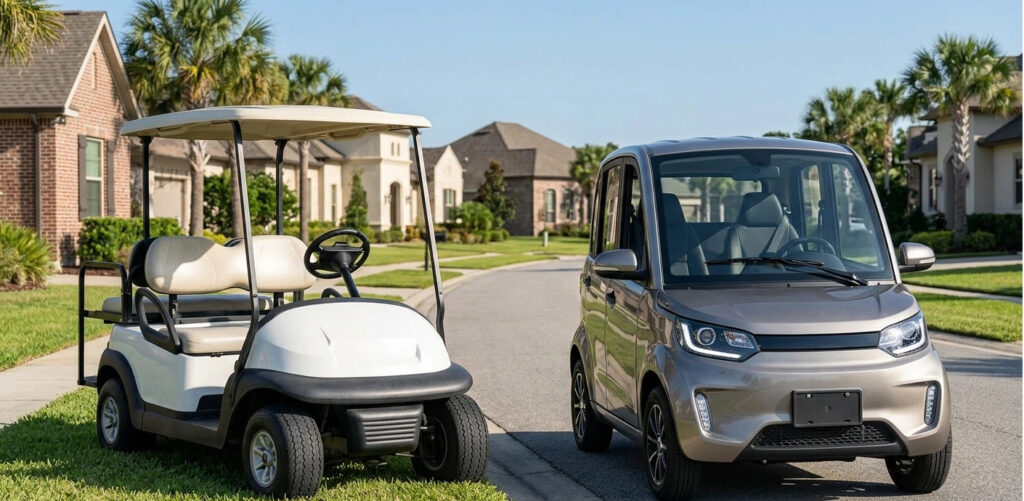
A question riders consistently ask is how long do lithium golf cart batteries last — and the answer, when properly maintained, is far beyond what lead-acid alternatives offer. That longevity starts with the right platform. The VY-D2 has become the benchmark for D-type series carts, pairing a compact, efficient ride profile with a battery system built for serious durability.
Environmental impact matters here too. Lithium chemistry eliminates the acid waste, off-gassing, and disposal challenges tied to lead-acid units, making the switch a genuinely eco-friendly choice.
Here’s a snapshot of what this transition delivers:
- Reduce total cart weight significantly for better handling and turf protection.
- Eliminate acid maintenance and hazardous disposal requirements.
- Gain a longer-lasting, high-cycle power source from day one.
- Choose a purpose-built platform like the VY-D2 as your D-series standard.
Each of those gains, however, depends heavily on how you manage the charge cycle — which is where the real longevity work begins.
Step 1: Optimize Your Charging Cycle for Longevity
Adopt smarter charging habits from day one — they’re the single biggest factor in how long your battery lasts. Unlike lead-acid packs, lithium batteries don’t require a full discharge before recharging. In fact, partial top-offs are healthier than running the pack all the way down. According to Battery University, lithium-ion batteries in golf carts can deliver between 2,000 to 5,000 charge cycles when maintained correctly — that’s potentially a decade of reliable use from an eco-friendly golf cart like a quality lithium-powered compact model.
Charging discipline makes the biggest difference in reaching that upper range. Follow these three best practices:
- Use a voltage-regulated charger matched to your battery pack. A mismatched charger can overcharge cells and permanently reduce capacity. Always verify the output voltage matches your manufacturer’s specs before plugging in.
- Avoid charging in extreme temperatures. Charging below 32°F or above 104°F stresses lithium cells and accelerates degradation — store and charge in a climate-controlled space whenever possible.
- Charge after each use, not on a fixed schedule. Lithium handles frequent partial charges well, and consistent top-offs reduce the depth of discharge that wears cells down over time.
Getting the charging cycle right sets the foundation for everything else — including how your battery delivers power under load, which is exactly what the next step addresses.
Step 2: Maintain Consistent Voltage for Peak Performance
One of the most underrated factors in extending golf cart battery life is voltage stability — and it’s where lithium technology delivers a clear technical edge. According to Green Car Reports, lithium-ion batteries maintain a consistent voltage output throughout their entire discharge cycle, preventing the familiar “slowing down” effect that lead-acid packs are known for.
What this means in practice: With lead-acid, voltage drops steadily as the pack depletes — your cart loses torque, speed, and responsiveness before you’ve even hit 50% charge. Lithium holds firm until the battery is nearly empty.
Motor protection is a direct beneficiary of this flat discharge curve. Voltage fluctuations force your motor to compensate constantly, generating excess heat and accelerating wear over time. Stable voltage eliminates that stress, keeping internal components running cooler and longer.
Hill climbing and heavy loads also respond dramatically to consistent voltage. Where an aging lead-acid pack might struggle on inclines or with extra passengers, a lithium system delivers full power on demand — a practical advantage for compact carts used on varied terrain.
This steady power delivery is exactly what enables smooth, quiet operation — a characteristic you’ll want to actively protect as you move into the maintenance habits covered in the next step.
Step 3: Eliminate Traditional Maintenance Tasks
Building on the voltage stability advantages covered in Step 2, lithium technology also transforms your golf cart maintenance routine routine by removing several time-consuming chores entirely. As noted by the International Journal of Energy Research, the shift toward lithium-ion is driven by demand for zero-maintenance power solutions that eliminate water topping — and that benefit is immediate and real.
Here’s what you can stop doing — and what to focus on instead:
- Stop water topping and terminal cleaning. Lithium cells are sealed units. There’s no electrolyte to replenish and no corrosion buildup to scrub away.
- Conduct simple visual inspections. Periodically scan the cart chassis for loose connections or physical damage. That’s genuinely all the pack requires.
- Clean the exterior regularly. A quick wipe-down preserves the cart’s spacious, comfortable appearance — and you can learn more about keeping your cart looking sharp with thoughtful upgrades.
- Check tire pressure consistently. The lighter lithium battery reduces overall vehicle weight, so correct tire pressure ensures you’re maximizing that efficiency advantage on every round.
On the other hand, skipping visual checks entirely is still a mistake — even zero-maintenance batteries benefit from occasional inspection. With these tasks streamlined, the next logical step is auditing how your cart’s mechanical components are responding to its new, lighter configuration.
Step 4: Audit Your Vehicle’s Efficiency and Wear
Beyond eliminating maintenance chores, switching to a Carrinho de golfe com bateria de lítio VY-D2 unlocks a meaningful mechanical advantage — reduced weight that actively protects both your course and your cart. According to Varyon Machinery Research, reduced weight translates directly to less turf compaction and reduced strain on suspension and motor components. A regular audit helps you verify these gains are working in your favor.
Start by watching the cart in action:
[YouTube Embed: https://www.youtube.com/watch?v=etYMkTqP8l8]
Then, walk through these three mechanical checkpoints:
- Turf impact check. Walk the routes your cart travels most frequently. Healthier, less compacted grass is a visible sign that weight reduction is doing its job — especially on softer fairway ground.
- Suspension inspection. In practice, lighter battery packs place suspension components under significantly less stress. Inspect bushings, shocks, and A-arms for wear. What typically happens is these parts last considerably longer between replacements.
- Braking distance review. A lighter cart stops in a shorter distance. Test braking on a flat, consistent surface and compare to your previous baseline. Shorter stops mean safer operation for passengers and pedestrians alike.
These checkpoints take under 15 minutes and can reveal early wear before it becomes costly — setting you up well to understand the full picture of lithium’s advantages.
How to Summarize the Benefits of the VY-D2 Series
With steps 1 through 5 behind you, the case for lithium technology becomes clear. Here’s a concise recap of why the VY-D2 delivers a genuinely compact, efficient ride that outperforms conventional setups:
- Lithium lasts dramatically longer. Lithium batteries can last up to 5x longer than standard lead-acid packs, meaning fewer replacements and a lower total cost of ownership over the life of your cart.
- Zero maintenance eliminates messy chores. No acid spills, no watering schedules, and no terminal corrosion to manage — the VY-D2 simply charges and performs, round after round.
- Reduced weight protects your course and your cart. Lighter battery technology improves agility on tight fairways while putting less stress on turf, tires, and suspension components — a benefit covered in depth in Step 4.
- Shandong Varyon Machinery leads the D-type compact segment. As a specialist in high-performance electric vehicles for both private and commercial use, their versatile electric lineup reflects a focused engineering commitment to compact, reliable design.
- The upgrade pays for itself. Longer lifespan, eliminated maintenance costs, and improved efficiency combine to make the switch financially sound over a standard ownership cycle.
These takeaways set a solid foundation — but switching to lithium also raises practical questions worth addressing before you commit.
How to Resolve Common Lithium Golf Cart Questions
Can I use my old lead-acid charger with a lithium battery?
No — this is a critical point. Lead-acid chargers use a different voltage profile and charging algorithm that can damage lithium cells or trigger the battery management system to shut down. Always use a lithium-compatible charger designed specifically for your pack’s voltage. This single mistake is one of the most common reasons lithium batteries underperform after a swap.
How does lithium perform in cold weather?
Lithium chemistry does experience reduced capacity in freezing temperatures, which is worth acknowledging honestly. In practice, performance typically recovers as the battery warms up during use. Storing your cart in a garage during winter months helps minimize any cold-weather capacity dip significantly.
Is the VY-D2 suitable for hilly terrain?
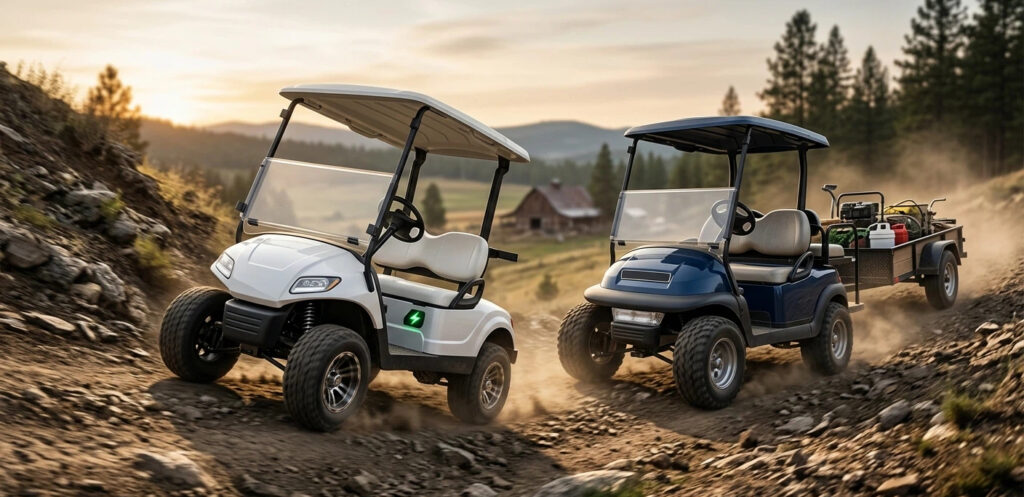
Yes. The VY-D2 is engineered for smooth, quiet electric operation with enhanced safety across varied surfaces. Its consistent power delivery — a lithium advantage over lead-acid — means voltage doesn’t sag on inclines, giving you reliable torque when the terrain demands it.
What is the typical lifespan? With proper care following the Complete Golf Cart Guide best practices, lithium golf cart batteries commonly reach up to 10+ years of service life. That longevity, combined with lower maintenance demands, makes the investment a straightforward decision for serious cart owners.