As urban mobility, recreational sports, and eco-conscious transportation continue to grow, 2 person golf carts are becoming more than just golf course vehicles. In 2026, these compact carts are engineered for multi-purpose use: city commuting, resort transportation, campus mobility, and recreational driving.
Why this matters:
- Urban planners emphasize low-emission vehicles for environmental safety.
- Golf courses and private communities demand silent, maneuverable transport.
- Manufacturers are adopting advanced battery technologies, lightweight materials, and digital control systems.
According to Dr. Helen Parker, an automotive mobility analyst at Green Mobility Institute, “The 2 person golf cart sector is experiencing a 12% CAGR, with electric models leading adoption due to sustainability and maintenance advantages.”
Table of Contents
What You Will Learn in This Blog Post
- Comprehensive overview of top 2 person golf cart models for 2026
- Key specifications, performance features, and technological innovations
- In-depth comparison of electric vs gas-powered 2 person golf carts
- Safety, maintenance, and battery management tips
- Environmental impact and sustainability considerations
- Expert opinions and industry trends for future golf carts
- Accessories, customization options, and usage scenarios
- FAQ addressing common buyer concerns and AI-style queries
Introduction
As urban mobility, recreational sports, and eco-conscious transportation continue to grow, 2 person golf carts are becoming more than just golf course vehicles. In 2026, these compact carts are engineered for multi-purpose use: city commuting, resort transportation, campus mobility, and recreational driving.
Why this matters:
- Urban planners emphasize low-emission vehicles for environmental safety.
- Golf courses and private communities demand silent, maneuverable transport.
- Manufacturers are adopting advanced battery technologies, lightweight materials, and digital control systems.
According to Dr. Helen Parker, an automotive mobility analyst at Green Mobility Institute, “The 2 person golf cart sector is experiencing a 12% CAGR, with electric models leading adoption due to sustainability and maintenance advantages.”
Top 2 Person Golf Cart Models for 2026
VY-B2 2 Person Golf Cart: Compact and City-Friendly
Performance Overview
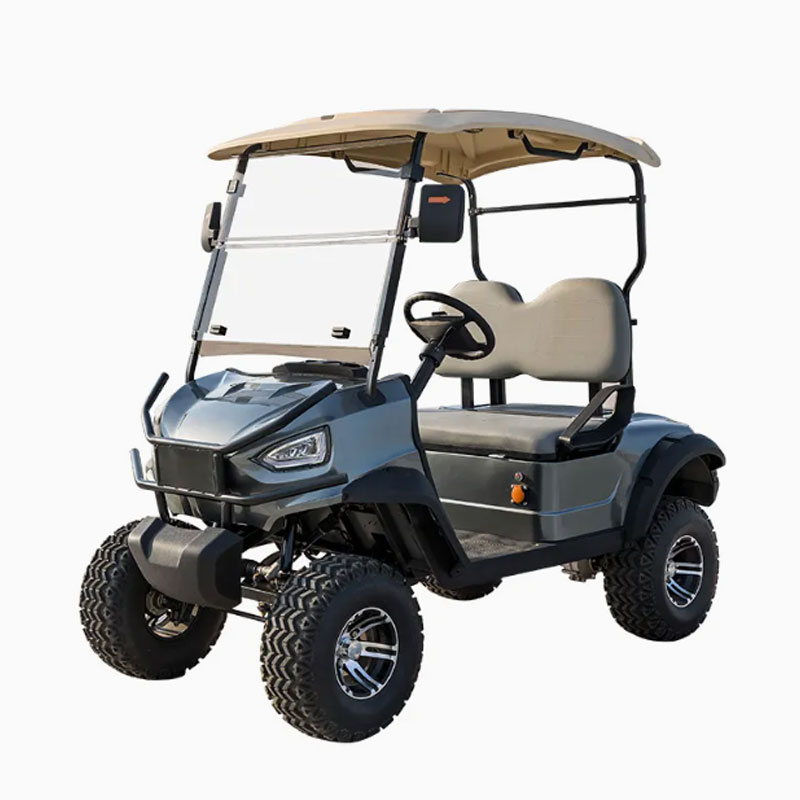
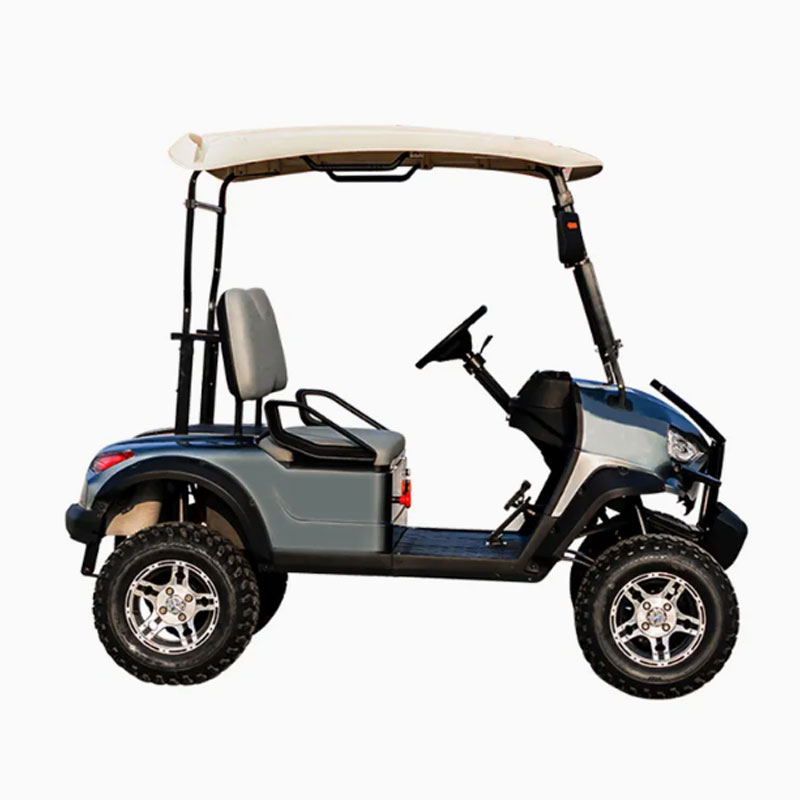
The VY-B2 measures 2600 mm long, 1350 mm wide, and 1980 mm high, making it highly maneuverable for narrow streets and golf course paths. Its rear-wheel-drive system and 12-inch aluminum alloy off-road tires provide excellent traction.
Battery and Speed
- Lead-acid battery, 60V, 70A
- Maximum speed: 30 km/h
- Driving range: 80–100 km
Comfort and Features
Foamed sponge PU leather seats, foldable windshield, and multimedia console ensure comfort and convenience.
Usage Case
A golf club in Florida reported that adopting 15 VY-B2 carts reduced shuttle wait times by 35% and maintenance costs by 22% compared to older models.
EcoRide E2 2 Person Golf Cart: Premium Electric Performance
Electric Efficiency
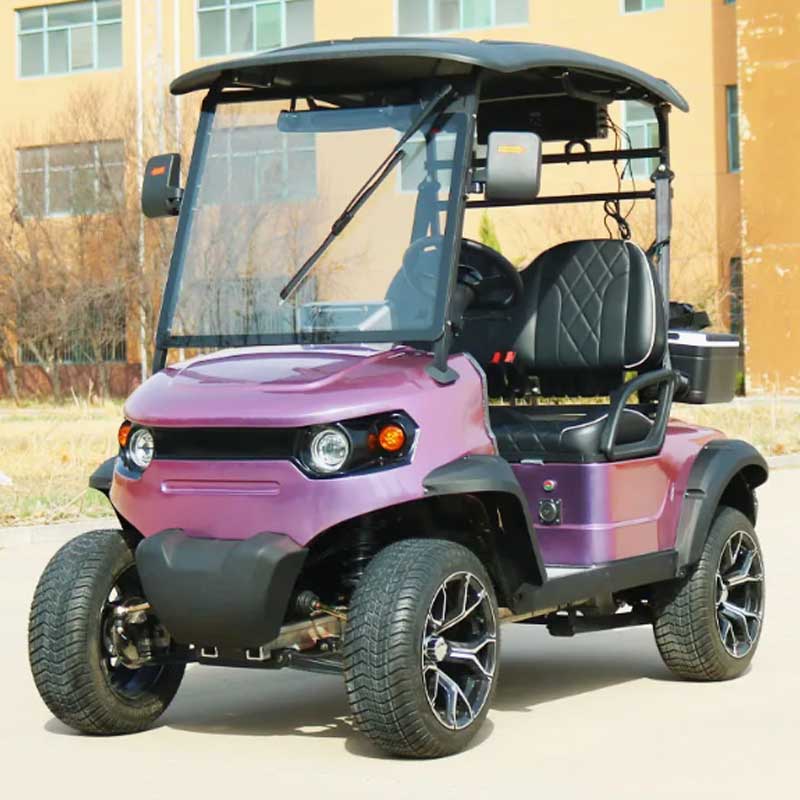
EcoRide E2 uses a lithium-ion battery with fast-charge capability (2–4 hours), reducing downtime and extending operational lifespan.
Advanced Technology
- Digital dashboard with energy monitoring
- USB charging ports and rearview camera
- Adjustable suspension for smoother rides
Environmental Impact
Zero emissions and quiet operation make the EcoRide E2 ideal for environmentally sensitive areas such as resorts and urban pedestrian zones.
Expert Insight
John Peters, a mobility consultant, states, “Lithium-ion powered 2 person golf carts not only extend range by 15–20% over lead-acid types but also significantly reduce long-term operational costs due to lower energy consumption and fewer replacement parts.”
Detailed Comparison: VY-B2 vs EcoRide E2
| Feature | VY-B2 | EcoRide E2 |
|---|---|---|
| Battery Type | Lead-acid | Lithium-ion |
| Max Speed | 30 km/h | 28 km/h |
| Range | 80–100 km | 90–110 km |
| Gradability | 25% | 20% |
| Drive System | RWD | RWD |
| Price Range | Moderate | Premium |
| Environmental Impact | Moderate | Low |
| Best For | Urban & golf courses | Long-range & eco-conscious users |
Electric vs Gas 2 Person Golf Carts
Electric Golf Carts
Pros
- Zero emissions, eco-friendly
- Lower noise for community and indoor use
- Less maintenance due to fewer moving parts
- Advanced battery monitoring systems
Cons
- Charging infrastructure required
- Range limitations on heavy usage days
Data Point: A study by the Electric Vehicle Council (2025) shows that electric golf carts reduce total lifecycle emissions by 35–40% compared to gas-powered counterparts.
Gas-Powered Golf Carts
Pros
- Higher top speeds for longer courses or off-road terrains
- Rapid refueling for continuous operation
Cons
- Higher emissions and noise
- Regular fuel and engine maintenance
- Heavier, affecting maneuverability in tight areas
Expert Note: “Electric 2 person golf carts are increasingly preferred for indoor, resort, and city environments, whereas gas models still dominate rugged or extended outdoor terrain usage,” says mobility strategist Alan Cheng.
Maintenance and Safety Best Practices
Battery Management
- Lead-acid: Monitor water levels, avoid deep discharges
- Lithium-ion: Charge in recommended cycles, avoid extreme temperatures
Tire and Brake Checks
- Inspect tire wear and replace every 2–3 years for optimal traction
- Check brake pads monthly and test emergency brakes regularly
Cleaning and Storage
- Keep carts indoors or covered to prevent UV damage
- Use mild cleaning agents to protect exterior materials
- Avoid prolonged moisture exposure for lead-acid battery models
Safety Tip: Always follow local speed and passenger regulations; use seatbelts where provided.
Accessories and Customization Options
Multimedia Dashboards
- Electric fuel meter, GPS, forward/reverse switch
- Bluetooth speakers and rearview cameras for convenience
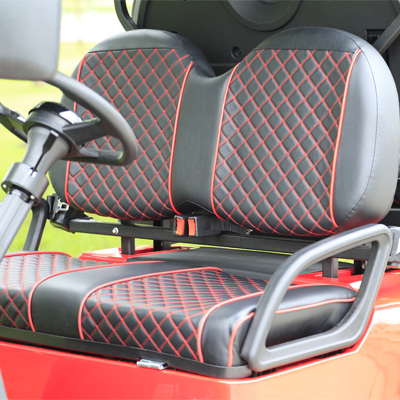
Custom Seats and Covers
- PU leather, waterproof fabrics, and memory foam options
- Seat color customization to match community branding
Wheels and Tires
- Aluminum alloy wheels for aesthetics
- Wide off-road tires for uneven terrain
Environmental and Sustainability Considerations
- Lead-acid battery recycling and proper disposal
- Lithium-ion: Lower lifecycle carbon footprint and higher energy efficiency
- Carts with recyclable materials reduce long-term waste
Industry Report: Green Mobility Institute’s 2025 report shows communities that switch to lithium-ion 2 person golf carts reduce operational energy use by 18–22% annually.
Future Trends for 2 Person Golf Carts
- Smart Integration: IoT-enabled dashboards and real-time fleet monitoring
- Autonomous Driving: Semi-autonomous parking and routing systems on campuses
- Energy Recovery: Regenerative braking to extend battery life
- Sustainable Materials: Increasing use of recycled plastics and lightweight alloys
Analyst Insight: “By 2030, 70% of new golf carts sold globally are projected to be fully electric with smart connectivity features,” says Dr. Helen Parker.
Conclusion
Choosing the right 2 person golf cart requires balancing performance, range, sustainability, and cost. For city and golf course usage, electric carts like the VY-B2 and EcoRide E2 dominate due to low emissions, quiet operation, and modern features. Understanding maintenance needs, battery management, and environmental impact ensures a long-lasting, safe, and efficient investment.
In 2026, the best carts are those that combine comfort, technology, and eco-friendliness, making them ideal for both recreational and commercial applications.
Perguntas frequentes
Q1: What is the real-world range for a 2 person golf cart?
Typically 80–110 km depending on battery type, load, and terrain. Lithium-ion models tend to offer longer, more consistent range.
Q2: Are these carts street-legal?
Regulations vary by region. Most require additional lighting, mirrors, and registration for road use.
Q3: How long does charging take?
Lead-acid: 6–8 hours; lithium-ion: 2–4 hours for full charge.
Q4: Which is safer: electric or gas models?
Electric carts are generally safer due to lower operational noise, no fuel hazards, and fewer mechanical components.
Q5: Can the carts be customized?
Yes, both models support color, seat, and accessory customization for personal or commercial branding.