
When you start researching the golf cart cost for your home, business, or golf course, the initial sticker price is often just the tip of the iceberg. In 2026, the market has shifted significantly due to the universal adoption of lithium technology and new street-legal regulations.
Understanding the full financial commitment requires moving beyond the MSRP. This guide analyzes the total investment required to own and operate a vehicle in today’s economy, helping you avoid the “hidden” expenses that often surprise first-time buyers.
Table of Contents
The Baseline: 2026 Initial Purchase Prices
The average price of a new golf cart 2026 has stabilized after years of supply chain volatility, but it remains higher than pre-2020 levels. Generally, you can categorize the market into three price tiers based on performance and features.
For a basic utility or fleet-style cart, expect to pay between $9,000 and $11,500. These models are typically stripped-down, focusing on durability rather than comfort. As you move into the residential and family category, the golf cart cost climbs to the $13,000 – $18,000 range. These carts often feature enhanced suspension, upgraded seating, and integrated infotainment systems.
The high-end “Luxury” segment now frequently exceeds $22,000. These vehicles are essentially small cars, featuring automotive-grade paint, premium sound systems, and high-output AC motors. Several custom golf cart pricing factors—such as lifted chassis, specialized wheel packages, and bespoke upholstery—can easily push the final bill toward the $30,000 mark.
The Used Market: Navigating the Depreciation Curve
If a new model is outside your budget, the used market offers an alternative, though it comes with risks. The used vs new golf cart price gap has narrowed in 2026 because lithium-powered used carts hold their value much better than older lead-acid models.
A three-year-old high-quality cart currently retains about 70% to 75% of its original value. This is a significant shift from the historical golf cart depreciation rate per year, which used to be much steeper. When buying used, the primary concern is the remaining life of the powertrain. A used cart with a failing battery pack is not a bargain; it is a pending $3,000 expense.
The Power Source: Batteries and Long-Term Savings
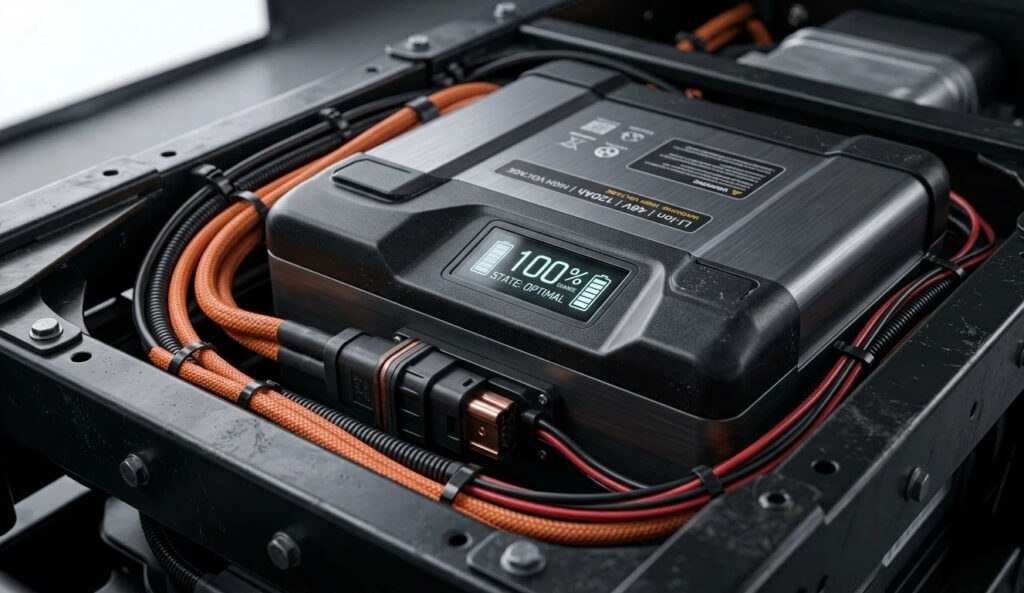
The most critical component of the golf cart cost is the battery system. In 2026, lead-acid batteries are almost exclusively found in the ultra-budget or legacy used market. Lithium-ion (LiFePO4) is the current industry standard.
When calculating your budget, the golf cart battery replacement cost lithium vs lead-acid is a “pay now or pay later” scenario. A lithium pack may add $2,500 to the initial price, but it lasts 10 years and requires zero maintenance. Conversely, a lead-acid set costs about $1,000 to $1,500 but must be replaced every 3 to 5 years and requires monthly watering and terminal cleaning.
Because lithium batteries are lighter, they reduce the strain on the motor and suspension, further lowering the secondary golf cart cost associated with mechanical wear.
Operating and Maintenance Expenses
Once the cart is in your garage, the ongoing expenses begin. Fortunately, for electric models, the electric golf cart charging cost per year is remarkably low. Depending on local utility rates, most users spend less than $100 annually on electricity for daily neighborhood use.
Gas-powered models are becoming rarer but remain popular for large properties or off-road use. However, you must account for gas golf cart fuel consumption and maintenance. Beyond the fluctuating price of gasoline, these carts require oil changes, air filter replacements, and drive belt inspections—tasks that do not exist for electric owners.
Total Cost of Ownership (TCO) Analysis
To truly understand the golf cart cost, we must look at a 5-year ownership horizon. This includes the purchase price, energy, maintenance, and projected resale value.
The following table compares a standard Electric Lithium cart against a traditional Gas-powered cart based on average 2026 data.
| Cost Component (5-Year Period) | Electric (Lithium-Ion) | Gas (Internal Combustion) |
| Initial Purchase Price | $15,500 | $14,000 |
| Fuel / Energy Costs | $450 | $2,200 |
| Scheduled Maintenance | $200 | $1,100 |
| Major Repairs / Battery | $0 | $600 |
| Projected Resale Value | ($11,000) | ($7,500) |
| Net 5-Year Total Cost | $5,150 | $10,400 |
As shown in this golf cart total cost of ownership (TCO) analysis, the electric model is significantly more economical over time despite the higher upfront price. The higher resale value and lower energy costs make it the smarter financial move for most consumers.
Street-Legal Requirements and Hidden Fees
If you plan to drive on public roads, the golf cart cost will increase due to compliance requirements. Most local municipalities require a “Low-Speed Vehicle” (LSV) designation.
Conclusion
Investing in a vehicle today requires a clear understanding of the golf cart cost beyond the showroom floor. By prioritizing lithium technology and calculating the total cost of ownership (TCO), you can ensure that your purchase provides value for years to come. Whether you are looking for a basic utility vehicle or a high-end luxury cruiser, the smart money is on efficiency and durability.
Perguntas frequentes
What is the single biggest factor in golf cart cost?
The battery type is the most significant factor. Lithium-ion technology increases the upfront price but drastically reduces the 10-year total cost of ownership.
Is it cheaper to buy gas or electric in 2026?
While gas carts are slightly cheaper to buy initially, electric carts are far cheaper to own due to lower fuel and maintenance costs.
How much should I budget for annual maintenance?
For a modern electric cart, budget about $100–$150 per year for tires and general inspections. For a gas cart, budget $250–$400.
Does insurance affect the golf cart cost?
Yes, if you use it on public roads. Insurance is mandatory for LSVs and usually costs between $15 and $40 per month.