Rainy-season readiness is a route and charging problem
An electric golf cart rainy season plan should cover more than adding a roof or wiping the seats. Wet pavement changes braking and turning, standing water can hide surface damage, wind can reduce visibility, and a poorly protected charging area can create electrical hazards. Properties using Electric Golf Cart Products need one coordinated procedure for route inspection, operator decisions, passenger boarding, parking, cleaning, and charging.
The goal is not to keep every route running through every storm. It is to define which conditions are acceptable, which require slower or altered service, and which require an immediate stop. The National Weather Service flood safety guidance warns against entering floodwater, while the National Weather Service lightning safety guidance explains lightning risk. Those principles should be converted into site-specific stop-work rules before operators face a fast-changing weather event.
Inspect the route before the first wet-weather shift
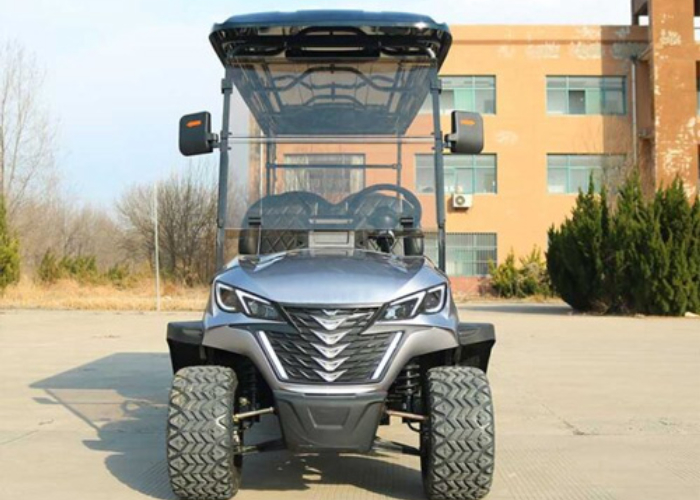
Walk or drive the route at low speed before passenger service begins. Look for ponding, blocked drains, mud carried onto pavement, loose gravel, fallen branches, damaged lighting, and places where water hides the edge of a path. A C Type Electric Golf Cart may provide comfortable group transport, but no vehicle configuration makes an unknown flooded section acceptable. Close or reroute any segment where depth, edge location, or surface condition cannot be judged safely.
Pay special attention to slopes, painted markings, metal covers, wooden bridges, and tight turns near buildings. These areas can become slippery before the rest of the route appears difficult. The CPSC golf cart and LSV safety guide offers safety information for golf carts and low-speed vehicles, while the CDC motor vehicle safety resources provides broader motor-vehicle safety resources. Use such background to strengthen local procedures, then follow the vehicle manual and property risk rules.
| Standing water | Do not enter when depth, current, surface, or path edge cannot be confirmed. |
| Reduced visibility | Slow service, increase spacing, use required lights, or suspend the route. |
| Lightning | Follow the property’s severe-weather plan and move people to appropriate shelter. |
| Charging area moisture | Stop charging and isolate damaged or wet equipment for qualified inspection. |
Define clear go, caution, and stop conditions
Operators should not have to invent a weather decision while passengers are waiting. A simple three-level system can work well. Green means the route is inspected and normal wet-weather controls apply. Amber means speed, capacity, or route segments are restricted and supervisors are informed. Red means service stops because of floodwater, lightning, poor visibility, high wind, electrical concerns, or another defined hazard.
Write the thresholds in plain language and connect them to the property’s alert system. The NHTSA low-speed vehicle guidance provides context on low-speed vehicles, and 49 CFR 571.500 sets federal equipment requirements for vehicles classified under that standard in the United States. Neither source substitutes for local law or a site weather plan. The property must determine which rules apply and who has authority to suspend service.
Tires, brakes, steering, and visibility need a focused check
Before each wet shift, inspect tire condition and pressure using the manufacturer’s specification, check that brakes engage predictably, confirm steering has no unusual play, and verify lights, mirrors, horn, wipers if fitted, and windshield condition. A passenger platform such as the Carrinho de golfe VY-C6+2 de oito lugares may run repeated shuttle loops, so a small defect can affect many trips. Remove the cart from service if braking, steering, or visibility is uncertain.
Do not apply dressings or cleaning products that leave controls, floors, pedals, handholds, or seats slippery. Make sure drainage paths in the body are clear and that floor mats cannot bunch under pedals. The ADA mobility device guidance offers useful guidance on mobility access, reminding operators that wet-weather boarding may be especially difficult for some passengers. Slow the process and provide appropriate assistance without exceeding the vehicle’s intended use.
Passenger boarding must remain controlled
Move boarding to a covered, well-lit, level location whenever possible. Keep waiting passengers away from moving carts and charging cables, and prevent umbrellas or luggage from blocking the driver’s view. A compact VY-C4 Four Passenger Golf Cart can be easier to stage in a constrained area, but the same discipline applies: the cart should stop fully, the parking control should be set, and passengers should be seated before movement begins.
Wet clothing, bags, and mobility aids can alter how passengers enter and how weight is distributed. Operators should avoid rushed departures and should not allow riders to stand or occupy unsafe positions. The golf cart background provides general background on the vehicle category, yet the manufacturer’s seating and load instructions remain the controlling reference for the specific cart. Document any recurring boarding problem and redesign the stop rather than normalizing it.
Drive smoothly and leave more room
Wet routes reward calm control. Accelerate gradually, reduce speed before turns, avoid abrupt steering, and create additional stopping space. Enter grades at a controlled speed and avoid stopping in locations where traction or runoff is uncertain. Weather curtains and windshields can improve comfort, but they can also fog or collect water, so the operator must maintain a clear view at all times.
Accessories should support the route rather than create new blind spots or loose material. Review compatible options through Golf Cart Accessories and confirm installation requirements with the supplier. The ANSI standards overview explains how standards support safety and consistency, while UL Standards and Engagement provides information about product safety evaluation. Buyers should ask how electrical accessories are protected, fused, documented, and inspected after exposure to severe weather.
Keep the charging bay dry, orderly, and supervised
The charging area deserves the strictest rainy-season controls. Roof runoff should not fall onto carts, connectors, outlets, or cable paths. Water should drain away from the bay, and cords should be protected from vehicles and pedestrians. Never energize equipment that is wet, damaged, unusually hot, or showing exposed conductors. The OSHA electrical safety guidance provides general electrical-safety guidance that supports these basic precautions.
Follow the cart, battery, and charger manufacturers’ instructions for connection order, ventilation, inspection, and fault response. The OSHA battery charging guidance discusses charging hazards, while the NFPA electric vehicle safety resources provides electric-vehicle safety resources. These materials help managers plan the work area, but qualified electrical personnel should address outlet, grounding, protective-device, or water-ingress concerns. Operators should report faults rather than attempting improvised repairs.
Plan drainage and parking as part of the transport system
A cart should not return from a wet route to a low spot where water collects around the tires or charger. Review roof drainage, floor slope, curb position, cable storage, lighting, and walking routes around the bay. The Park and Outdoor Transport Solution can help frame a broader outdoor-transport plan, especially when the same property manages passenger stops, service paths, and parking areas across a large site.
Keep storm drains and channels clear, but do not send untrained staff into moving water or active electrical hazards. The property should identify who maintains drainage, who isolates a charger, and who authorizes the bay to reopen. A good rainy-season plan links facilities, fleet operations, and safety responsibilities so that a cart is not returned to service simply because the rain has become lighter.
Complete a post-rain inspection before normal service resumes
After heavy rain, inspect the cart for trapped debris, damaged seals, wet connectors, loose accessories, tire damage, unusual brake behavior, warning indicators, and water inside compartments not intended to be wet. Clean and dry the vehicle according to the manual. Do not use high-pressure water around electrical components unless the manufacturer explicitly permits the method for that area.
Record any route incident, water exposure, charging fault, or change in braking and steering. The OSHA personal protective equipment guidance provides general guidance on selecting protective equipment for workplace hazards. The appropriate controls depend on the task, so cleaning and inspection procedures should be assessed by the employer. Contact the supplier through Contact Varyon when the cart has experienced significant water exposure or shows a persistent fault.
Practice the severe-weather handoff
The best procedure can still fail if dispatch, drivers, facilities staff, and supervisors do not share information. Run a short drill before the rainy season. Practice suspending a route, moving passengers to shelter, parking carts in the designated area, isolating a questionable charger, and recording which vehicles require inspection. The drill should reveal unclear authority and communication gaps while conditions are calm.
Review the result with the people who perform the work. Confirm where keys are stored, how a red-status cart is labeled, which alternate route is approved, and who contacts maintenance. A clear handoff prevents one shift from returning a vehicle to service before another shift’s concern is resolved. It also gives managers evidence that the rainy-season plan is practical rather than a document that sits unused.
Manage cleaning, drying, and corrosion checks without damaging components
Wet service often leaves mud, leaf material, fertilizer residue, salt, or other contaminants on the vehicle. Create a cleaning method that identifies approved products, water pressure, protected electrical areas, drainage points, and the person responsible for the final dry inspection. Staff should never aim water into connectors, switches, displays, battery compartments, or openings merely because the outside of the cart is designed for outdoor use. The cleaning instructions for the exact model remain essential.
After cleaning, check fasteners, hinges, seat frames, roof supports, cable retainers, wheel areas, and painted surfaces for coating damage or early corrosion. A small chip that remains wet can become a recurring maintenance issue, especially at coastal resorts or properties using chemicals on paths and landscaping. Record the location and correct it through the approved service process rather than covering it with an unknown coating that could interfere with inspection or warranty support.
The cart should be dry and stable before it returns to the charging bay. Floors and handholds need to be safe for the next operator, compartments should not trap moisture, and any unusual odor, heat, warning light, or electrical behavior requires a hold. This final gate prevents the cleaning team from unknowingly passing a weather-related concern directly to the charging team, where the consequences could become more serious.
Video reference
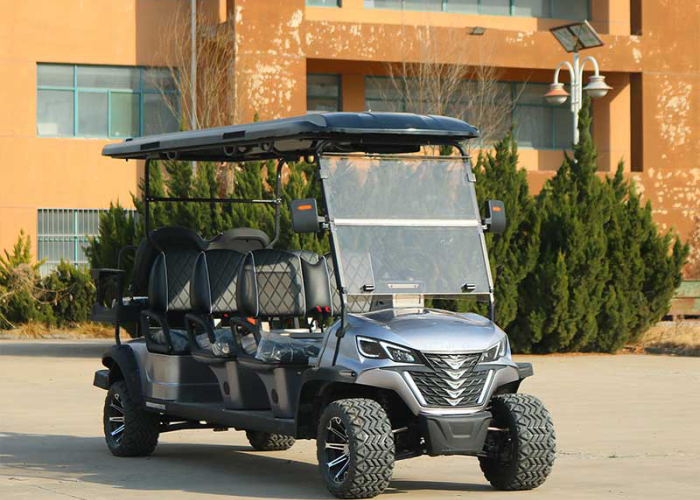
The video below shows a Varyon passenger cart in operation. Use it to observe sight lines, passenger positions, and vehicle length, then compare those details with the wet-route, staging, and charging controls in this guide.
Questions buyers often ask
Can an electric golf cart be driven through standing water?
Do not enter water when its depth, current, underlying surface, or route edge is uncertain. Follow the manufacturer limits and the property’s stop-work rule. Floodwater can hide washouts, debris, drop-offs, and electrical hazards, so a familiar path may no longer be safe.
What should happen if a charging connector gets wet?
Stop using the equipment, keep people away, and follow the manufacturer’s isolation procedure. Do not energize, open, dry, or repair electrical equipment through an improvised method. Have the connector, cable, outlet, and charger assessed by appropriately qualified personnel before reuse.
What rainy-season details belong in a quote request?
Describe annual rainfall patterns, covered parking, drainage, route surfaces, grades, passenger capacity, visibility accessories, charger location, and the property’s severe-weather rules. A detailed request through Request a Quote helps the supplier discuss suitable configurations and operating precautions.
A safe rainy-season route has permission to stop
Rain readiness is successful when staff can recognize changing conditions, reduce service deliberately, and stop without argument when the route or charging area becomes unsafe. That authority protects passengers, operators, equipment, and the property. It also gives guests a consistent explanation for delays, route changes, or temporary suspension instead of leaving each driver to negotiate the decision alone.
By combining route checks, vehicle inspections, controlled boarding, electrical precautions, post-rain reviews, and a practiced handoff, a property can keep appropriate service moving without pretending that every storm can be treated as a normal operating day. Supervisors should review incident notes after each major weather event and update the route map, stop conditions, and staff assignments whenever the evidence shows that the written plan no longer matches the property.