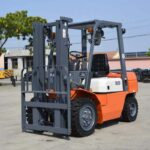
In today’s industrial operations, choosing the right forklift truck is crucial for maximizing productivity, ensuring safety, and maintaining cost-efficiency. LPG forklift trucks and diesel forklifts are two popular options in the market, each offering unique advantages depending on the application. As businesses continue to prioritize operational efficiency, understanding the key differences between these two forklift types is essential for making an informed decision.
Tabla de contenidos
1.Fuel Type and Efficiency

One of the most significant differences between LPG forklift trucks and diesel forklifts lies in the fuel they use. LPG forklift trucks run on liquefied petroleum gas, while diesel forklifts rely on diesel fuel. Each fuel type has its own set of advantages and challenges.
LPG forklift trucks are known for their fuel efficiency, offering an environmentally friendly alternative to diesel. With lower emissions and fewer pollutants, LPG forklift trucks are ideal for use in indoor environments like warehouses or distribution centers, where air quality is a concern. The fuel efficiency of LPG also helps businesses reduce energy costs over time, making them an attractive option for companies focused on long-term savings.
On the other hand, diesel forklifts are designed for more robust operations and can handle heavy-duty tasks. Diesel engines generally offer higher power output and greater fuel efficiency when operating under high load conditions. However, diesel forklifts are better suited for outdoor operations, where fuel emissions and air quality are less of a concern.
2.Environmental Impact
LPG forklift trucks have a clear edge when it comes to environmental impact. Since LPG is a cleaner-burning fuel compared to diesel, it produces fewer harmful emissions, including lower levels of carbon monoxide, nitrogen oxides, and particulate matter. This makes LPG forklift trucks particularly suitable for indoor use in factories, retail spaces, or food processing plants, where maintaining a clean and safe working environment is critical.
In contrast, diesel forklifts produce significantly higher emissions. Diesel engines release larger amounts of particulate matter and nitrogen oxides, which can pose a health risk in enclosed spaces. While outdoor environments may tolerate these emissions better, businesses operating indoors may face regulatory challenges related to air quality and pollution control.
The lower environmental impact of LPG forklift trucks can also lead to cost savings in terms of meeting emission standards, especially in urban areas with strict environmental regulations. This makes LPG forklift trucks a more suitable choice for businesses looking to minimize their carbon footprint.
3.Power Output and Performance
When it comes to raw power, diesel forklifts are typically more powerful than LPG forklift trucks. Diesel forklift trucks are equipped with high-performance engines capable of handling heavy loads and working in harsh environments. They are built for high-intensity tasks such as construction, logistics, and outdoor material handling.
In comparison, LPG forklift trucks offer moderate power output, which is adequate for lighter and medium-duty tasks. While they are more efficient in terms of fuel usage and emissions, they may not be able to match the power and endurance that a diesel forklift provides in demanding operations.
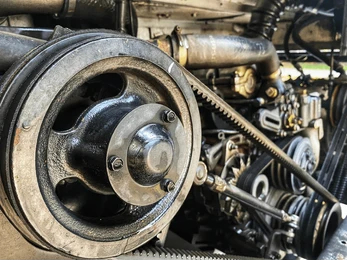
However, the power of LPG forklift trucks is sufficient for most indoor warehousing and light industrial applications. They are particularly suitable for environments where high power is not the primary requirement but where energy efficiency, lower emissions, and quieter operation are prioritized.
4.Noise and Operation Comfort
Another key difference between LPG forklift trucks and diesel forklifts is the noise level. LPG forklift trucks are generally quieter, which makes them ideal for use in environments that require a quieter operation, such as indoor warehouses or stores. Their lower noise levels reduce workplace disturbances and improve overall comfort for operators and other personnel in the vicinity.
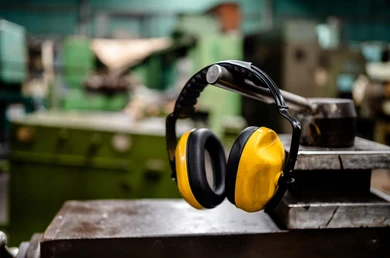
Diesel forklift trucks, on the other hand, are significantly noisier, especially during high-power operations. The noise from diesel engines can be a concern in indoor environments, where it could potentially affect worker comfort and productivity. This is another reason why LPG forklift trucks are often favored for indoor operations, as they contribute to a safer and more comfortable working environment.
5.Maintenance and Durability
LPG forklift trucks tend to have lower maintenance requirements compared to diesel forklifts. Since LPG is a cleaner fuel, it produces less engine wear, and there is less soot buildup in the engine. This means that LPG forklift trucks typically require fewer repairs and have a longer lifespan than diesel forklifts, leading to lower long-term maintenance costs.
On the other hand, diesel forklifts require more frequent maintenance due to the higher engine wear caused by the combustion of diesel fuel. Diesel engines need regular cleaning of the exhaust system and fuel injectors, and the maintenance of the engine’s components can be more expensive than that of LPG forklift trucks. However, diesel forklifts are known for their durability and reliability under heavy-duty usage, which makes them an excellent choice for industries that require continuous, high-power performance.
6.Flexibility in Usage
LPG forklift trucks are designed to be more flexible in terms of operational environments. Their low emissions make them ideal for indoor spaces, while they can also be used outdoors with proper ventilation. Their compact design and efficient fuel use allow them to be adapted to a variety of work settings, from warehouses to retail stores.
Diesel forklifts, while robust and powerful, are generally better suited for outdoor use. They are the preferred choice in industries that require lifting heavy loads in rugged conditions, such as construction or large-scale logistics operations. Their larger fuel capacity and higher engine power make them less suited for indoor environments due to the high emissions and noise they produce.
7.Cost Comparison
In terms of cost, LPG forklift trucks tend to be less expensive than their diesel counterparts, both in terms of initial purchase price and operational costs. The lower fuel costs and reduced maintenance requirements make LPG forklift trucks a cost-effective solution for businesses operating in controlled environments where emissions and noise are a concern.
Diesel forklift trucks usually have a higher upfront cost and fuel consumption rate. However, they can provide a better return on investment for businesses that require heavy-duty forklifts for outdoor use or tough applications. Their robust engines and higher lifting capacity justify the extra cost in high-demand industries.
Conclusión
Choosing between LPG forklift trucks and diesel forklifts depends largely on the operational environment and specific needs of the business. LPG forklift trucks are an excellent choice for businesses that prioritize environmental sustainability, lower emissions, and quieter operations, especially in indoor environments. On the other hand, diesel forklift trucks offer superior power, performance, and durability for industries that require heavy lifting and outdoor use.