Tabla de contenidos
offroad golf cart models are purpose-built for terrain that standard golf carts cannot handle. This guide compares the offroad golf cart with regular course-oriented carts to clarify how engineering choices affect capability, maintenance and suitable applications.
Design philosophy
The offroad golf cart emphasizes ground clearance, robust suspension and protection against ingress of mud and water. In contrast, the standard golf cart focuses on low ground pressure and turf protection. Manufacturers achieve this by reinforcing the chassis, fitting skid plates and sealing electrical components on the offroad golf cart to extend reliability in harsher environments.
Power and drivetrain
Power delivery is a major differentiator. Many offroad golf cart variants offer higher torque, larger electric motors or more powerful gas engines. Some provide selectable four-wheel drive or locking differentials to maintain traction on gradients and loose surfaces. Standard carts are optimized for modest speeds and frequent turns on paved or groomed surfaces.
Suspension and ride control
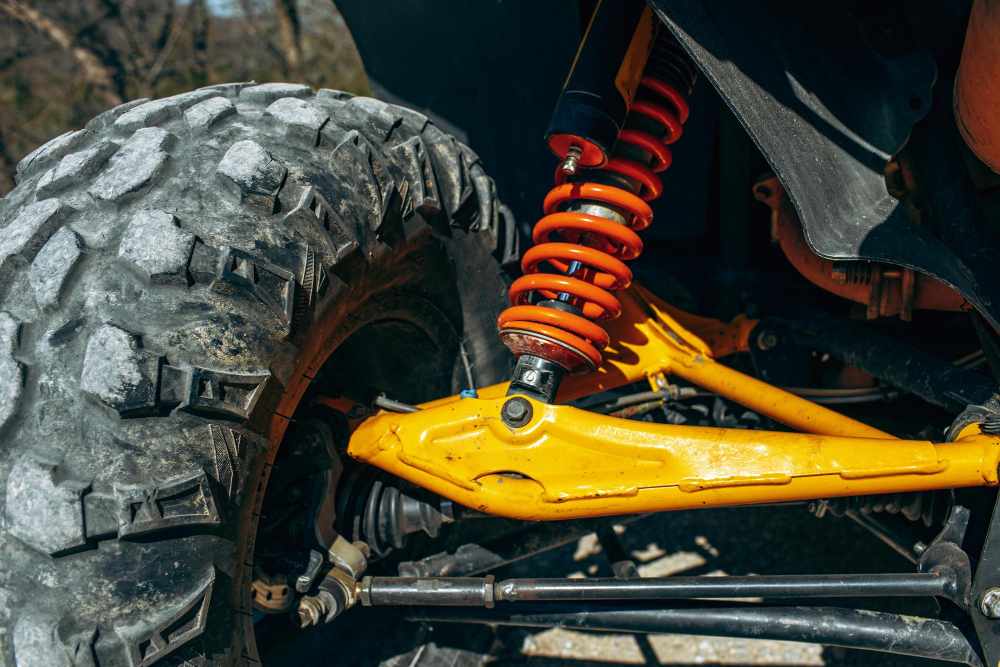
Longer suspension travel and stronger dampers are typical on the offroad golf cart, allowing wheels to follow irregular terrain without transmitting excessive shock to occupants. Control-arm geometry, uprated bushings and anti-roll measures are tuned differently on the offroad golf cart to prioritize stability over uneven ground, compared to the gentler suspension setups on conventional course
Tires and traction strategies
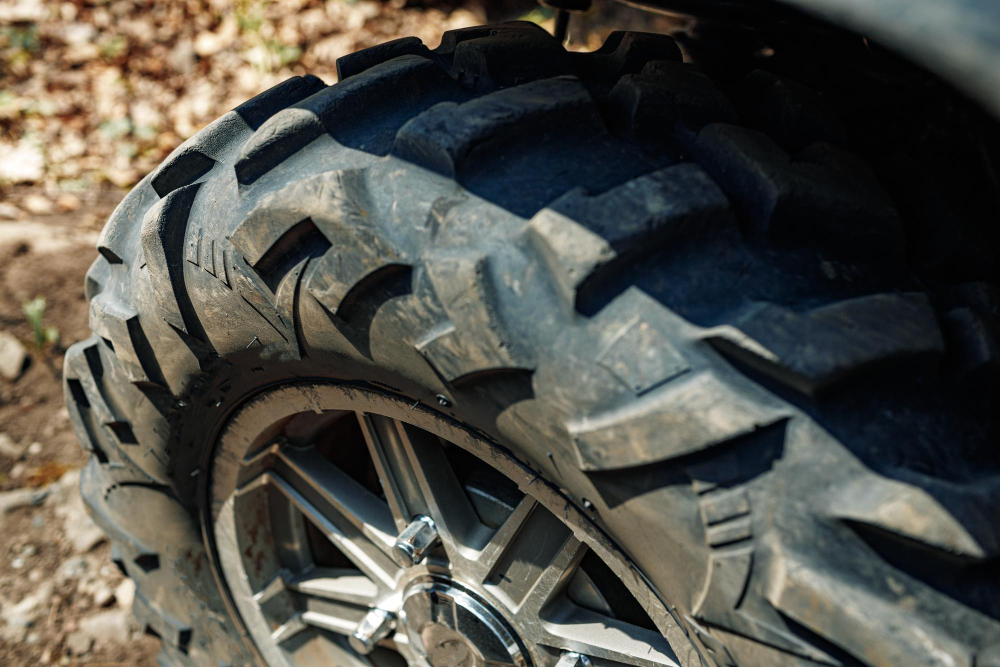
Tire choice reflects role: aggressive tread patterns, reinforced sidewalls and larger diameters are common on the offroad golf cart to resist punctures and improve flotation in mud or sand. Turf-safe low-profile tires on regular carts minimize surface disruption. For rough terrain use, tubeless construction and bead-lock options further reduce the risk of sudden deflation.
Brakes, cooling and thermal management
Frequent descents and sustained heavy loads put extra stress on braking systems and hydraulic circuits. The offroad golf cart often uses more substantial brakes and improved cooling for continuous operation. Brake-fade management and motor/engine thermal controls are typical considerations where prolonged heavy duty use is expected.
Load carrying and modularity
Utility versions of an offroad golf cart frequently include steel cargo beds, winches and multiple tie-down points for tools and gear. Modular bodies or quick-attach racks make them flexible for maintenance, agricultural tasks or event logistics. This modular approach contrasts with the passenger-centric layouts common on standard models.
Safety, lighting and recovery equipment
Because of the remote or rugged environments they serve, offroad golf cart units more often include roll-over protection structures, full LED lighting packages for low-light work, and winches or tow points to aid recovery. Weatherproof electrical connectors and covered switchgear reduce failure rates in wet conditions.
Operational contexts and examples
The offroad golf cart finds use across many sectors: ranching, forestry, search and rescue, eco-tourism, construction site logistics, and groundskeeping on large estates. Organizations that need small, nimble vehicles capable of navigating steep tracks, soft soils or debris-strewn paths often specify the offroad golf cart for its access and relatively small environmental footprint.
Maintenance differences
Maintenance priorities diverge. Offroad golf cart maintenance focuses on drivetrain seals, air and hydraulic filter integrity, wheel bearing checks and aggressive tire inspection. Marshaling a preventive plan that includes mud clearance and lubricant renewals after wet use extends service life. Regular course carts demand battery regime attention (for electric models), charger maintenance and ensuring turf-friendly tire condition.
Regulatory and environmental considerations
Using the offroad golf cart on manicured turf or protected lands may be restricted because aggressive tires and higher torque can damage surface vegetation and soil structure. Operators must check venue rules, seasonal limits and permitting requirements. Private lands and work sites commonly allow their use where access and logistics outweigh slight ground disturbance.
Procurement and lifecycle factors
Total cost of ownership includes fuel or energy costs, maintenance intervals, spare part lead times and resale value. Fleet managers should model duty cycles to decide between electric and combustion options. Warranty terms, local dealer support and availability of certified technicians also influence long-term value for an offroad golf cart investment.
Practical specification checklist
When selecting a vehicle for off-pavement work, evaluate ground clearance, suspension travel, motor/engine torque curves and underbody protection. Verify that lighting, ROPS, winch capacity and recovery points meet operational risk profiles. Confirm spare parts availability and whether dealer-supported field service is accessible.
Conclusión
Choosing between an off-pavement-capable vehicle and a turf-oriented cart requires matching capability to duty cycle. For operators needing access beyond mown fairways or requiring a work-oriented vehicle, the offroad golf cart delivers a different balance of features: mobility in rough terrain, utility carrying and engineered resilience compared with standard golf carts.
If you want to learn more about this topic, please haga clic aquí.