When it comes to owning a golf cart, one of the most important aspects to consider is the Golf cart battery range. Whether you’re using your carrito de golf for leisure, work, or daily commutes, understanding what affects the battery’s performance and how far you can go on a single charge is crucial. In this article, we’ll dive into the essential factors that determine the Golf cart battery range, from the type of battery used to environmental conditions and driving habits.
Tabla de contenidos
Battery Type: Lead-Acid vs Lithium-Ion
One of the most significant decisions that impacts your Golf cart battery range is the type of battery your golf cart uses. The two main options available are lead-acid batteries and lithium-ion batteries, each with distinct characteristics.
- Lead-Acid Batteries: Typically, these are the more affordable option. While they may provide a decent range, they require more maintenance, and their lifespan is shorter. As a result, Golf cart battery range may decrease more quickly over time compared to lithium-ion batteries. They also tend to be heavier, which can reduce the efficiency of the golf cart, affecting overall battery consumption. If you have a lower budget and only use your golf cart for short distances, lead-acid batteries may work well. However, frequent usage or long-range driving might shorten the battery life significantly.
- Lithium-Ion Batteries: On the other hand, lithium-ion batteries are more efficient and have a longer lifespan. They are lighter, charge faster, and maintain their performance over a longer period. If you’re looking for a golf cart with a higher Golf cart battery range, this type of battery is a more reliable choice, especially for extended use. Lithium-ion batteries are also more energy-dense, meaning you get more power per unit of weight, which is essential for long drives on golf courses or across neighborhoods.
Vehicle Weight and Its Impact on Battery Range
The weight of your golf cart plays a crucial role in determining how far you can go on a single charge. A heavier vehicle requires more energy to move, which results in a faster depletion of the battery’s power. This includes not just the cart itself but also any additional accessories or modifications that add weight, such as extra seating, larger wheels, or cargo compartments.
For instance, a golf cart with extra features like a rear seat, storage compartments, or custom modifications will naturally use more battery power, reducing the overall Golf cart battery range. If you want to extend the range, it’s important to consider the weight of any additional features and how they may impact the efficiency of your cart. Additionally, while heavier carts may provide extra comfort or functionality, they will ultimately reduce the distance you can travel.
Driving Speed and Habits
Your driving style has a direct impact on the Golf cart battery range. For instance, driving at higher speeds consumes more power. In a golf cart, the faster you go, the more energy the motor needs to keep up. If you’re constantly speeding around, you’re likely to experience a significant decrease in Golf cart battery range.
In contrast, smoother driving with gradual acceleration and deceleration helps optimize battery usage, ensuring that your golf cart can travel farther on a single charge. For those who want to make the most out of their Golf cart battery range, it’s advisable to maintain a steady speed and avoid frequent sharp accelerations or braking. This can be particularly important when driving on flat courses or through neighborhoods.
Practical Tip: Use the cruise control feature (if available) for consistent speeds. Avoid heavy braking and accelerate smoothly to maximize your battery’s efficiency.
Regular Maintenance: Keep Your Battery in Top Shape
Just like any other vehicle, regular maintenance is essential to ensure that your Golf cart battery range stays as efficient as possible. Performing routine checks on the battery and the golf cart itself can extend its lifespan and optimize performance. The better care you take of your golf cart’s battery, the further it can go on a single charge.
Key maintenance tasks include:
- Checking and cleaning battery terminals regularly to avoid corrosion.
- Ensuring the battery is charged properly (don’t overcharge or let it discharge completely).
- Cleaning the cart’s components to prevent dirt and debris from causing inefficiencies.
Practical Tip: Always use the manufacturer’s recommended maintenance schedule for your specific golf cart model. Regularly check for loose connections and ensure the battery is securely fitted to prevent power loss.
Charging Current and Battery Charging Practices
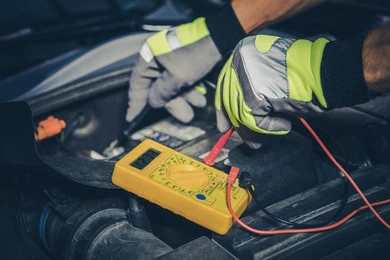
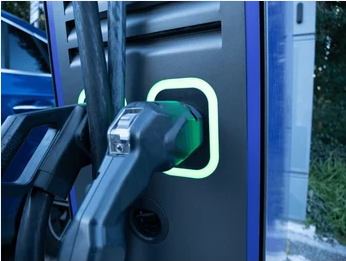
The way you charge your golf cart’s battery can also affect its longevity and range. Using a charger with a suitable current ensures that the battery is charged correctly, without causing damage. Overcharging or undercharging can lead to battery degradation, reducing its capacity and overall Golf cart battery range.
Always use the recommended charger for your golf cart’s battery type. Additionally, it’s best to charge the battery after each use, rather than waiting until it’s nearly empty, to maintain its health and maximize the battery range.
Practical Tip: Avoid charging your golf cart battery when it’s completely drained, and don’t leave it plugged in for too long. Charging it when it’s at about 20% to 30% is the optimal range.
Weather Conditions: Temperature’s Effect on Battery Life
Weather plays a pivotal role in your Golf cart battery range. Extreme temperatures, whether hot or cold, can reduce the battery’s efficiency. In hot weather, the battery may drain faster due to higher energy demands, while in cold weather, the battery’s chemical reactions slow down, causing a reduction in available power.
To mitigate this, it’s important to store the golf cart in a temperature-controlled environment whenever possible. For those using their golf carts in colder climates, consider investing in a battery heater or a golf cart cover to protect the battery from extreme temperatures.
Practical Tip: When storing your golf cart during the off-season, keep it in a garage or another temperature-regulated area to prevent extreme cold or heat from affecting the battery’s performance.
Terrain and Usage Patterns
The type of terrain you navigate plays a significant role in determining how far your Golf cart battery range will take you. Golf carts used on hilly or rough terrain will experience greater resistance, requiring more energy to move the cart up inclines or across uneven surfaces. This leads to a faster depletion of the battery’s power.
On the other hand, if you primarily use your golf cart on flat, smooth surfaces, you’ll notice a longer Golf cart battery range. This is because the motor uses less energy to maintain speed on even terrain. If you know you’ll be driving on a hilly course or rough roads, it’s a good idea to adjust your driving habits and manage expectations regarding battery life.
Practical Tip: Consider purchasing a more powerful battery if you plan to drive frequently on hilly terrain. Also, use regenerative braking to recapture energy when descending slopes.
Other Factors That Influence Golf Cart Battery Range
There are a few other factors that could influence the Golf cart battery range. For example, the frequency of use and the intensity of driving can have an effect. If you frequently drive your golf cart at full throttle or for long distances, the battery will deplete more quickly. Alternatively, infrequent use or gentle driving will likely lead to better battery retention.
Moreover, if you tend to overload the cart or use it in high-stress situations regularly, such as carrying heavy loads over long distances, it will have a negative impact on your battery range. Therefore, it’s crucial to manage the load and use the cart within its limits for maximum efficiency.
Practical Tip: Regularly assess your cart’s usage and avoid overloading it. If possible, reduce the number of heavy trips or plan trips strategically to save battery power.
Conclusión
In conclusion, several factors play a role in determining the Golf cart battery range. From choosing the right battery type (lead-acid vs. lithium-ion), to considering the weight of the cart, your driving habits, and the terrain you drive on, understanding these aspects can help you maximize the distance your carrito de golf can cover on a single charge. Regular maintenance and proper charging practices are also key to extending battery life and maintaining efficiency. By considering all these elements, you can ensure your Golf cart battery range meets your needs, whether you’re navigating a golf course or cruising around your neighborhood.