Tabla de contenidos
Golf carts are small motorized vehicles originally designed to transport golfers and their equipment around a golf course. These vehicles have grown far beyond their initial purpose and today are adapted for diverse tasks in many settings. Understanding golf cart uses besides golf helps individuals and organizations see the broader value these vehicles bring to everyday life and work. According to Wikipedia, a golf cart is “a small motorized vehicle designed originally to carry two golfers and their golf clubs around a golf course” but variants now serve broader needs in transportation and utility contexts.
Golf Cart Uses Besides Golf
Golf carts have evolved from their original purpose to become a versatile tool in various industries. The list of golf cart uses besides golf continues to grow as people recognize their value beyond the golf course. From transportation in residential communities to logistical support at events, golf carts offer practical solutions to many challenges in diverse sectors. In fact, their compact size and electric options make them ideal for applications where larger vehicles would be impractical or inefficient.
Neighborhood and Residential Transportation
In planned communities and retirement neighborhoods, golf carts are increasingly seen as a primary mode of local transportation. Some towns even build extensive paths and designated golf cart roads that link homes with shops, schools, and community centers. For example, in Peachtree City, Georgia, more than 90 miles of multiuse paths allow residents to use golf carts for short commutes instead of cars, providing convenience and reducing local traffic.
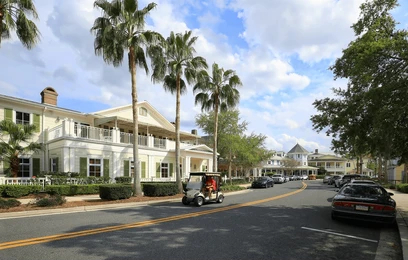
These everyday uses represent one of the most widespread golf cart uses besides golf, as people choose carts to travel within neighborhoods, run errands, or simply enjoy a leisurely ride. Carts are often faster to deploy and more energy efficient than cars for short trips.
Event Support and Onsite Mobility
Beyond events, golf carts are used in industrial sites and warehouses to move workers, materials, and tools, saving time and reducing worker fatigue. These commercial golf cart uses besides golf are part of efficient site operations in many sectors.
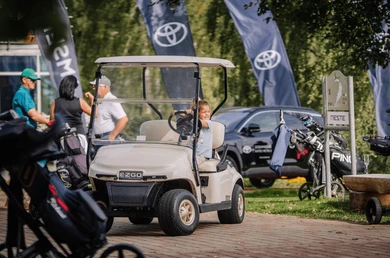
Golf carts are ubiquitous at large outdoor events, exhibitions, fairs, and festivals where quick movement of staff, equipment, and attendees is essential. They serve as mobile hubs for staff transport, medical support, logistics, and guest services. Event planners appreciate their size and maneuverability because carts can reach places that larger vehicles cannot without disrupting foot traffic or damaging turf.
Hospitality, Resorts, and Tourism
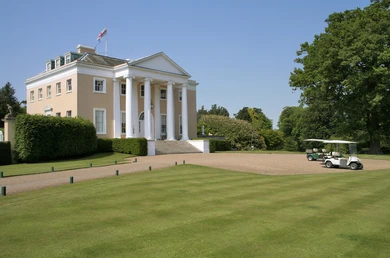
Hotels, resorts, amusement parks, and tourist destinations also benefit from golf carts’ flexibility. These venues may span large areas where walking long distances is inconvenient for guests. In these environments, golf carts serve as shuttles for guests, staff, and luggage or as part of guided tours of the property. Resorts value golf carts for their low environmental impact and ability to enhance guest experiences with easy point-to-point movement.
Campus and Facility Services
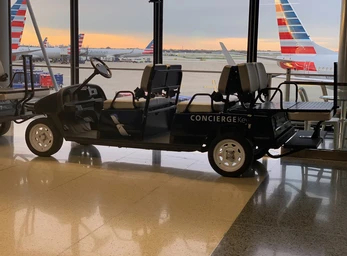
Large university campuses, corporate office parks, hospital complexes, and airports use golf carts to navigate expansive grounds. On campuses, staff, security, and facility teams use golf carts to respond quickly to incidents, transport equipment, or assist visitors. Airports deploy them to transport passengers with reduced mobility between terminals and gates.
These institutional golf cart uses besides golf reflect how the vehicle’s ease of use and electric motor options make it an attractive choice in crowded or pedestrian-heavy locations.
Agriculture, Landscaping, and Utility Work
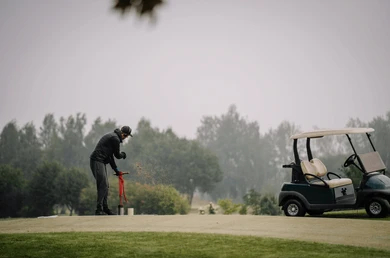
Golf carts are increasingly used in agricultural settings, ranches, nurseries, and landscaping operations. Their compact size and ability to carry moderate loads make them ideal for moving tools and supplies around a farm or property. Workers use carts to transport seedlings, feed, water, and fertilizers, and to shuttle between fields during planting or harvest seasons.
Utility models equipped with cargo beds or custom racks are particularly suited for these tasks, reinforcing the concept that golf cart uses besides golf extend into work modes where larger vehicles would be inefficient or too costly.
Community Services and Accessibility
In many communities, golf carts serve as a mobility tool for those who may struggle with walking long distances, including older adults and people with limited mobility. These vehicles allow residents to reach shops, medical appointments, community events, and social gatherings with independence and comfort. Their adaptability to add features like wheelchair ramps or customized seating expands their utility in accessible transportation.
Short-Distance Errands and Daily Life
Golf carts today are also used for short errands like grocery runs or trips to local parks. Their compact, electrical, or low-speed street-legal versions make them a convenient choice for everyday tasks that do not require a larger vehicle. These uses fit squarely into the growing suite of golf cart uses besides golf that simplify daily life in small towns, suburban streets, and gated communities.
Recreational and Outdoor Adventure
Beyond practical transport, golf carts support outdoor recreation. Campgrounds, nature parks, and leisure estates use them to move guests from lodges to trailheads, scenic lookouts, and picnic areas. Their quiet operation and low environmental impact make them suitable for nature-focused settings where minimizing disturbance is important.
Evolution From Golf to Broader Uses
The shift from exclusive golf course use to widespread mobility reflects changing needs and technologies. Golf carts today are often equipped with enhanced seating, lighting, storage accessories, and even weather protection features, making them more adaptable. As they evolve, many modern manufacturers design golf carts that meet personal leisure, commercial transport, and utility work requirements.
The broader trajectory of how carts are used demonstrates the expansive scope of golf cart uses besides golf across communities, commercial operations, and recreational environments.