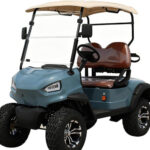
VIP transport succeeds when the route feels polished before the cart arrives
A D type electric golf cart is often evaluated for routes where presentation matters as much as basic mobility. Real estate tours, executive site visits, premium customer walkthroughs, member pickups, and VIP transfers all expect the cart to look calm, board cleanly, and support a polished first impression. That makes the purchase decision different from an ordinary utility route. The buyer is not just choosing a vehicle. The buyer is shaping how a guest or decision-maker experiences the property during a short but highly visible ride.
These routes usually have little tolerance for visible confusion. A poorly staged charger bay, a hesitant boarding moment, or an awkward turn at the arrival point can undermine the professional impression the site is trying to create. General golf cart background and the guidance at ADA mobility device guidance are useful because they keep the conversation tied to passenger comfort and route behavior rather than appearance alone. On premium routes, comfort and discipline are part of the visual standard, not separate from it.
This guide is written for buyers comparing D Type Electric Golf Cart, Carro de golf con batería de litio VY-D2, VY-D4 Motorized Golf Cart, Carro de Golf VY-D4+2 6 Plazas, and VY-D6+2 8 Seater Golf Carts for high-visibility transfers. It focuses on how a D type platform should be matched to a property tour, a polished pickup point, and an ownership routine that remains reliable after the first demonstration. That level of clarity is what makes the conversation through Solicite una cotización or Contact Varyon far more useful than a generic request for a premium cart.
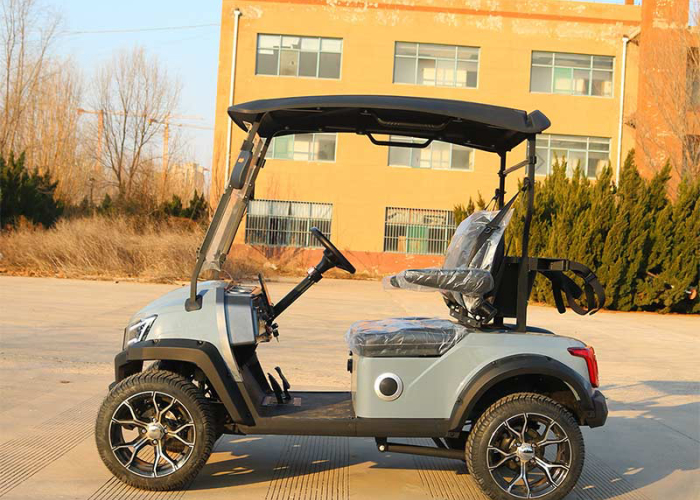
Begin with the most visible arrival and departure point
A D type route should be evaluated first at the place where guests see the cart most clearly. That may be a sales office entrance, a club arrival point, a model-home loop, or a private tour departure zone. The buyer should watch how the cart approaches the stop, where it waits, how passengers board, and whether the vehicle blocks any other premium activity while standing by. The right D type platform feels deliberate at that point, not oversized, rushed, or awkwardly parked beside a polished entrance.
This is also where sight lines and pace become important. Guests should not feel like they are climbing into a utility vehicle that happens to be clean that day. They should feel that the route, the stop, and the cart all belong together. The external references at CPSC golf cart and LSV safety guide, CDC motor vehicle safety resources, and NHTSA low-speed vehicle guidance are helpful because they encourage buyers to treat low-speed behavior, passenger awareness, and route boundaries seriously even when the setting is private and upscale.
| Real estate tour route | Needs polished arrival, calm starts, low visual clutter, and smooth narration-friendly pacing. |
| VIP property transfer | Needs easy boarding, clear staging, charger discipline, and a consistent premium look. |
| Executive site visit | Needs quiet operation, predictable route timing, and professional stop behavior. |
| Member or investor pickup | Needs visible comfort, route confidence, and staff who understand the service script. |
Passenger impression depends on boarding ease and route quietness
VIP and property-tour passengers judge the cart in seconds. They notice step height, seat support, handholds, roof coverage, and how smoothly the driver leaves the stop. They also notice whether the route feels calm enough for conversation. That is why a D type evaluation should include a real boarding sequence, not just a visual walkaround. If passengers hesitate to step in, shuffle around bags, or brace themselves during every start and stop, the route is telling the buyer that the specification is not finished yet.
The buyer should also decide whether the route includes older guests, formal clothing, brochures, or repeated on-and-off stops at viewpoints or sales points. Those details affect how useful certain accessories and seating layouts actually are. Pages like Golf Cart Accessories and About Varyon can support the conversation, but the deciding factor is still whether the cart stays easy and graceful once real people are boarding under normal operating pressure.
Charging and parking discipline are part of the premium image
A high-visibility route exposes weak back-of-house discipline quickly. If the cart returns to a cluttered cable area, sits in a mixed service yard, or emerges dusty from an inconvenient parking corner, the premium promise weakens. Buyers should therefore inspect where the cart is parked, who plugs it in, how the charger is protected, and whether staff can notice a fault before the next trip. Guidance from Battery University charging overview, U.S. DOE charging basics, and OSHA battery charging guidance is useful because it turns charging from a hidden afterthought into part of the visible operating standard.
The most successful VIP routes usually have a simple reset routine. The cart returns to one controlled location, staff perform a quick appearance and battery check, and the next departure happens from a predictable pickup point. This routine improves both uptime and presentation. A D type vehicle that disappears into a messy staging pattern will never feel as premium as one that has a clean reset rhythm built into the property plan.
Route polish depends on driver behavior as much as the cart itself
A refined cart can still feel ordinary if the driver brakes abruptly, stops in the wrong place, or starts moving before passengers are settled. Premium route service therefore needs a short driver script: where to stop, when to welcome riders, how to confirm boarding, and what pace to hold near scenery, sales points, or other guests. The references at ADA mobility device guidance and CPSC golf cart and LSV safety guide help frame why smooth low-speed behavior matters even on private roads where traffic volume is low.
Driver behavior also shapes conversation quality on the route. Real estate tours and executive visits often involve discussion while the cart is moving. If the platform bounces through avoidable surface changes, pauses in the wrong place, or forces the driver to focus on awkward turns, the service experience becomes less polished. Buyers should therefore evaluate the operator’s comfort and confidence as seriously as the passenger seat details.
Weather, cleaning, and accessory choices decide whether premium looks sustainable
A D type cart should still look composed at the end of a full day, not only at the start of a photo shoot. That means the buyer needs to think about dust, rain, floor cleaning, windshield care, trim durability, and how quickly the cart can be reset between visible trips. Resources such as National Weather Service flood safety guidance, National Weather Service lightning safety guidance, and OSHA personal protective equipment guidance are useful as public background because they encourage teams to plan for real operating conditions rather than assuming the best weather and calmest schedule every day.
Accessories should therefore be chosen for route logic, not status alone. Mirrors, weather panels, premium seating, storage for brochures, or small branding touches are helpful only if they make the guest journey cleaner and easier to maintain. A premium vehicle that is hard to reset after one wet transfer or one dusty site loop will cost more staff time than it returns in service value.
Ask support questions that match repeat VIP use
A buyer should ask how the cart is packed, how replacement trim or charger parts are handled, which items need the most routine attention, and how future orders can stay visually consistent. Premium routes magnify inconsistency, so reorder discipline matters much earlier than it does on a purely functional route. Outside references like ANSI standards overview, UL Standards and Engagement, and NFPA electric vehicle safety resources are useful because they keep the discussion focused on repeatable documentation, charging quality, and component discipline rather than vague luxury language.
This is also the moment to decide whether the property expects growth. If future model homes, club routes, or executive visit loops will be added, the first D type order should establish the charger logic, cleaning standard, and visible accessory baseline now. Doing that early prevents the route from drifting into several slightly different service standards that are all harder to support.
Run a narrated pilot loop before confirming the specification
A narrated pilot loop is one of the best tests for this kind of route. Drive the exact tour path, stop where the guest or investor would stop, and speak through the points the route is meant to showcase. The team should notice whether the cart stays quiet enough for conversation, whether the stop points feel composed, and whether the driver can manage the loop without obvious corrections. These observations expose whether the route is genuinely premium or simply decorated around an untested transport habit.
The pilot should include everyone responsible for the experience: the driver, the host or sales representative, and the staff who clean and charge the cart afterward. Hosts notice whether conversation flows naturally. Drivers notice tight turns and staging friction. Service staff notice whether the cart can be reset quickly for the next pickup. Together those notes create a far better decision than any short static demonstration.
It also helps to test one intentionally busy scenario during the pilot. Add a slightly delayed departure, a quick stop with extra passenger questions, or a route segment where another vehicle or pedestrian presence changes the driver’s pacing. Premium service has to remain composed even when the schedule is not perfect, and this kind of stress test shows whether the D type setup still supports that standard once real operations become less tidy than a showroom demonstration.
Write the visible-route standard before you expand the program
Once the route is chosen, the property should document what polished service looks like. That usually includes the pickup point, appearance check, charger return habit, passenger greeting, boarding order, and the conditions that trigger a backup stop or a route pause. This does not need to be a long operations manual. A one-page visible-route standard is often enough, provided the team actually uses it every shift.
That standard protects future purchasing decisions as well. The next unit can be compared against a known service rhythm instead of memory or personal preference. When the site knows exactly what it expects from a VIP transfer or real estate tour route, the D type platform can be selected and supported with much more confidence and much less drift over time.
The standard should also define what the property considers a visible service failure. That may be a dusty cart arriving at the sales office, a charger cable visible across a guest path, a delayed pickup that interrupts a guided conversation, or a driver stop that forces passengers to step around landscaping. Naming those failure points early makes it much easier to coach staff, correct staging issues, and decide whether the route is truly ready for expansion. Premium transport programs stay consistent when the team agrees on what should never become normal.

Video reference
The video below is a useful visual reference for a premium passenger-style route. Use it to review boarding, route presence, and staging logic alongside the VIP-route checklist above.
Questions buyers often ask
When is a D type electric golf cart the right choice?
It is often the right choice when the route is highly visible and the property expects polished boarding, quiet movement, and a presentation standard that supports tours, VIP transfers, or executive visits.
What is the main mistake on premium routes?
The main mistake is focusing on appearance without defining the charger routine, boarding script, and driver behavior that make the premium look sustainable in daily use.
What should buyers prepare before requesting a quote?
Prepare the visible route map, pickup point, charger location, guest profile, weather concerns, and the service standard the cart is expected to support. That gives the supplier enough context to recommend a realistic D type setup.
Choose the route standard before choosing the trim
The right D type electric golf cart makes a property tour or VIP transfer feel intentional from the first stop to the final return. It boards cleanly, moves quietly, and disappears into a disciplined staging and charging routine between visible trips.
If the buyer can define the arrival point, the driver script, the charger reset, and the premium service standard clearly, the final D type decision will be stronger and far easier to support over time.