Start with passenger flow instead of brochure language
A VY-C6 Carros de golf para seis pasajeros purchase works best when the buyer first maps where six people actually board, ride, and leave the vehicle. Hotels, resorts, and guided tour operators often assume that a six seat model is automatically the correct answer because it carries more passengers than a four seat cart. In practice, boarding speed, turning room, luggage handling, and charging layout decide whether the cart improves service or simply creates a longer vehicle that is harder to stage near lobbies and footpaths. Starting with route details makes the later conversation with C Type Electric Golf Cart and Request a Quote far more precise.
The keyword research behind this run treated “6 seater electric golf cart” as a priority seat-count topic because buyers use it to compare real commercial use cases rather than abstract specifications. That is why the best shortlist should begin with passenger pattern questions: How many adults ride at one time, how often does the route stop, how much luggage appears during peak hours, and which sections of the property become crowded when guests arrive or leave. Basic public background such as golf cart background is useful for terminology, but operational route notes are what prevent the wrong purchase.
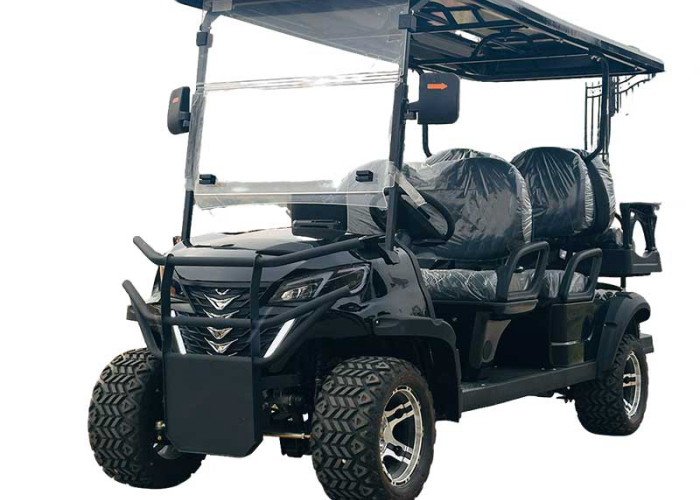
A six seat cart is usually strongest when the site wants one vehicle to handle guest transfer, VIP escort, or guided tours without immediately moving into a much longer shuttle format. It is weaker when the site has very tight indoor transitions, short parking bays, or highly variable demand that actually calls for two smaller carts staged in different places. Buyers comparing Carro de golf VY-C4+2 de seis plazas, VY-A6 6 Seater Golf Cart, and Carro de golf VY-A4+2 de 6 plazas should therefore think in terms of route fit and dispatch flexibility, not only seat count.
Map the route, the stops, and the property constraints
A route audit should record stop spacing, surface quality, ramp locations, canopy clearance, luggage behavior, and the steepest slope encountered on a normal day. Guided tour routes often look easy on paper but become demanding once the driver slows for photo stops, navigates crowded pedestrian zones, and restarts on slight inclines with a full passenger load. Hotels and resorts also need to note whether the cart must reverse near the entrance, wait beside valet traffic, or pull into narrow side lanes. Those observations tell the supplier whether a clean passenger model from Electric Golf Cart Products or a different body layout from Golf Cart Solution is the better fit.
Turning space deserves more attention than many buyers give it. A vehicle can technically fit six people and still feel awkward if the operator must make repeated three-point turns near reception, spa entrances, or event lawns. A good procurement file therefore includes route photos, curb widths, and the way guests actually enter the vehicle. When a site also expects road-adjacent movement or community crossings, NHTSA low-speed vehicle guidance and the federal baseline at 49 CFR 571.500 should be reviewed early so lighting, mirrors, brakes, and other safety details are discussed before the order is finalized.
Passenger comfort is not just a hospitality detail. It affects boarding speed, review quality, driver confidence, and how frequently the cart is requested by front-desk or concierge staff. Step height, rear seat access, roof coverage, handholds, seat depth, and the cart’s ability to stop smoothly at low speed all matter. That is why buyers who intend to use the vehicle for guest movement should link their requirements to Park and Outdoor Transport Solution and Contact Varyon instead of relying on a generic “resort use” label in an inquiry form.
| Hotel arrival shuttle | Fast boarding, luggage space planning, quiet operation, tight turning near the lobby. |
| Resort guest transfer | Comfort over longer internal routes, weather protection, smooth braking, attractive appearance. |
| Guided property tour | Good visibility, stable low-speed control, easy narration stops, calm acceleration. |
| Mixed service route | Balance passenger comfort with easy cleaning, charging discipline, and shift handover. |
Choose battery, charging, and shift timing as one package
A six seat cart with inconsistent charging support will create guest frustration long before the vehicle looks old. Buyers should match battery chemistry, charger location, and operating schedule to the busiest window of the day rather than to an ideal test cycle. Lithium systems are often selected because they help with daily turnaround, weight, and smoother power delivery, but the value only appears when the charger is correct, drivers are trained, and the parking area is organized. General charging behavior from Battery University charging overview and charger-planning context from U.S. DOE charging basics are useful starting points, but the vehicle manual and supplier instructions should govern the final process.
The charging bay should be treated as an operating asset, not a back corner. If a hotel expects the cart to cover breakfast arrival, afternoon tours, and evening room transfers, the team needs a defined recharge window, a clean cable path, and a rule for vehicles that are not ready for service. OSHA’s guidance on charging areas at OSHA battery charging guidance is not written specifically for hotels, yet its emphasis on trained staff, cable control, and safe battery handling applies directly when several electric vehicles share one service area.
Shift timing is just as important as charger type. A property that sends one cart everywhere will wear it faster and create preventable downtime, while a property that defines who uses the cart, when it must return, and who inspects it between shifts will get cleaner performance data. Managers can use that information when comparing another model from VY-C6 Carros de golf para seis pasajeros with a different series from Electric Golf Cart Manufacturer or when deciding whether a dedicated tour cart should be separated from a general guest shuttle vehicle.
Evaluate safety details where guests actually interact with the cart
The safest cart is the one that behaves predictably in a crowded pedestrian setting. For a hotel or resort, that means consistent throttle response, easy stopping, clear mirrors, stable parking brake feel, and enough lighting for dawn, evening, or covered-drop-off conditions. Public reference material such as CPSC golf cart and LSV safety guide and low-speed vehicle background can help operators understand why speed and visibility matter, but the actual purchase decision should still be based on property-specific movement patterns and local rules.
Driver procedure matters as much as the cart. Staff should know who has right of way, where to wait during heavy foot traffic, how to assist passengers with bags, and how to park so that chargers, doors, and curb ramps remain accessible. If the same cart is used for both hospitality and back-of-house tasks, the site should also decide when it needs a quick clean-down before returning to guest service. ADA mobility device guidance is a useful reminder that accessibility and mobility planning are part of service quality, not an afterthought.
Insurance, local road access, and policy language should be reviewed before anyone assumes a guest cart can move on public streets or connecting roads. The combined background from NHTSA low-speed vehicle guidance, 49 CFR 571.500, and CDC motor vehicle safety resources helps managers frame a smarter internal checklist for training, route approval, and incident response. It is much easier to choose the right mirror, lighting, or operating boundary before delivery than to retrofit a policy after complaints or close calls appear.
Use procurement questions that expose fit, support, and service quality
A strong quote request should describe the route, passenger mix, typical luggage load, operating hours, charging window, destination market, and any must-have accessory such as a windshield, enclosure, or rain protection. This gives the supplier enough context to recommend whether a clean passenger model from VY-C4+2 Golf Cart Six Seater or a different configuration from C Type Electric Golf Cart is more appropriate. Buyers who send only “need 6 seater electric golf cart” usually receive less useful responses because the supplier has to guess at the real service pattern.
After-sales support should also be part of the decision. Ask what spare parts are stocked, how quickly wear items can be shipped, whether charger guidance is included, and what information the team should record if a braking, steering, or charging issue appears. Broader safety institutions such as ANSI standards overview, UL Standards and Engagement, and NFPA electric vehicle safety resources are valuable background because they remind buyers that quality language should connect to testing, documentation, and repeatable service habits rather than to broad marketing claims.
Finally, compare appearance choices only after the functional requirements are settled. Color, trim, branding, and accessory packages matter for guest-facing vehicles, but they should follow route fit, charging discipline, and service access. When those fundamentals are clear, the visual finish becomes a smart investment instead of a distraction from the operating job.
Run a pilot day and acceptance checklist before scaling up
If the buyer plans to order several carts or deploy the vehicle at a high-visibility property, a pilot run is worth the effort. Test the cart on the real route with realistic passenger weight, luggage, stop frequency, and staging pressure. Ask the driver whether the turning radius feels comfortable, whether the rear seat is genuinely easy to access, and whether the property has enough parking depth at the loading point. A short, structured pilot catches issues that do not appear during a quick showroom demonstration.
The acceptance checklist for that pilot should include charging behavior, brake confidence on the steepest path, mirror usefulness near pedestrian traffic, canopy coverage, and the way staff assist passengers during boarding. If the site also expects the cart to support tours, test whether conversation remains comfortable at low speed and whether repeated stop-and-go movement affects range or passenger confidence. These observations give the buyer far better evidence than a brochure summary when choosing between VY-C6 Six Passenger Golf Carts and another model family.
After the pilot, the team should decide whether the same configuration is ready for a wider rollout or whether seat layout, accessories, charger placement, or route policy need to change. That review protects both the supplier relationship and the operating budget because it turns one trial vehicle into a clear learning cycle rather than an isolated purchase. When that pilot feedback is written down, the next quote discussion becomes faster and more credible.
Video reference
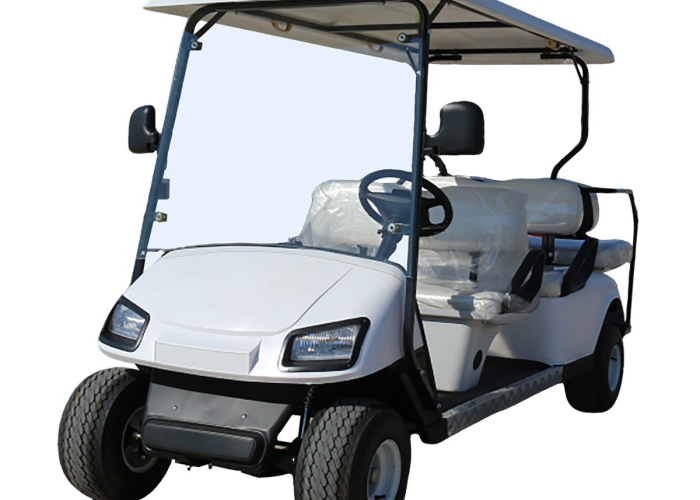
The video below is included as a simple visual reference for how a six seat electric golf cart can be presented and used. It should support, not replace, the route audit and supplier conversation described above.
Questions buyers often ask
Is a 6 seater cart always better than a 4 seater cart?
Not always. A six seat cart is better when the route consistently carries larger groups or when the site wants fewer trips between fixed stops. It is a worse choice when parking bays are short, turning space is tight, or demand is better served by two smaller vehicles staged in different areas. Comparing Electric Golf Cart Blog with Electric Golf Cart Products can help the buyer frame this decision with actual use cases.
What should a hotel check before using a guest shuttle cart at night?
Check lighting, mirrors, brake feel, route visibility, and where guests will board or leave the cart after dark. The site should also confirm charging completion, driver handover, and any local policy requirements for road-adjacent operation using the safety references already cited above.
How many internal property chargers are usually needed?
That depends on shift length, battery size, charger speed, and how many carts return to the same bay at once. A site that uses one cart for several service windows needs a more deliberate charging plan than a property that parks the cart for long periods between trips. The smartest next step is a route and shift discussion through Request a Quote.
Final decision view
The right six seat cart is not just the model with the largest brochure promise. It is the vehicle that matches the property’s passenger flow, turning space, charging routine, and service expectations. Buyers who document those realities before ordering get better supplier recommendations and fewer operational surprises after delivery.
If the route, passenger count, and charging discipline are already clear, the buyer is ready to compare specific models and confirm accessory needs through Contact Varyon. That is the point where a six seat electric golf cart becomes a real transport solution instead of a generic category term.