
Mixed-route work is where the B type platform has to prove itself
A B type electric golf cart is usually considered when a site needs one vehicle to do more than one job. The same cart may move staff between buildings in the morning, carry light supplies after lunch, and support short passenger transfers before the day ends. That flexibility can be valuable, but it only works well when the buyer studies the route mix honestly. A cart that looks versatile on a product page may still feel inefficient if the property has not defined where passengers ride, where tools are loaded, and where the cart returns between tasks.
This guide is written for facilities, hotels, campuses, property teams, and service managers comparing B Type Electric Golf Cart with the broader Electric Golf Cart Products lineup. The point is not to force one cart to solve every transport problem. The point is to decide whether the B type platform can handle repeated mixed-use work without creating awkward boarding, charging confusion, or overloaded service routines. That kind of clarity is what turns a mixed-use cart into a stable operating asset.
A route that carries both people and light service loads needs more discipline than a pure shuttle route. The safety perspective from CPSC golf cart and LSV safety guide and the operating background from CDC motor vehicle safety resources both support the same practical conclusion: mixed-use transport works best when loading, route boundaries, driver expectations, and handover checks are defined early instead of improvised during busy shifts.
Map every task the cart is expected to cover in one shift
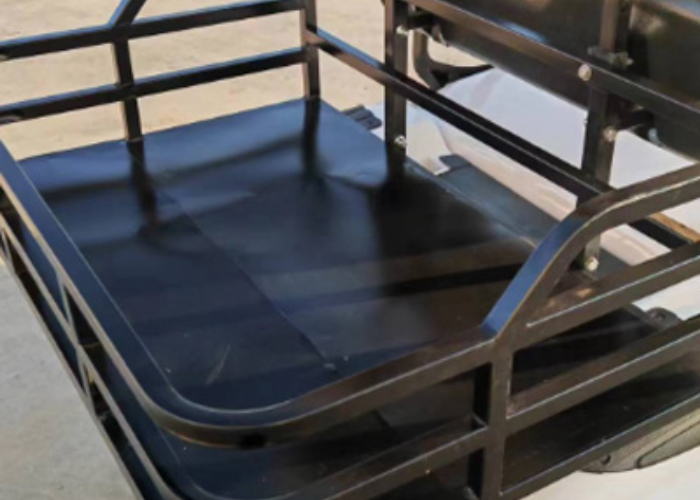
List each task the cart performs during a normal day and separate them by time window, load type, and route condition. A maintenance round with tools, a housekeeping delivery, and a guest escort may happen on the same property, but they do not place the same demands on seating, storage, access, and stop frequency. The buyer should therefore map where passengers sit, where materials are placed, and when the cart has to switch roles. Mixed-use efficiency comes from a clear work sequence, not from assuming that one body style automatically suits every task.
This shift map should include the longest route, the tightest turn, the messiest loading point, and the busiest time of day. A B type platform often works best when the site values quick circulation and compact staging more than maximum passenger capacity. If the route map shows frequent loading changes or repeated building-to-building movement, that evidence is more useful than any generic statement about versatility.
| Passenger errands | Focus on clean seating, predictable boarding, and smooth short-distance circulation. |
| Facility support | Focus on light cargo control, quick stops, and easy parking near work areas. |
| Hotel or campus service | Focus on route frequency, charger timing, and calm movement around pedestrians. |
| Mixed indoor-outdoor rounds | Focus on turning room, weather exposure, and repeat inspection discipline. |
Check whether loading changes will create disorder
One common failure in mixed-use operations is loading disorder. A cart may start the day with staff, then receive boxes, tools, or cleaning supplies, and later be expected to carry passengers again without a reset. That sequence creates clutter, delays, and avoidable safety issues. Buyers should ask whether the site can unload, secure, and inspect the cart between role changes. If not, the operation may need a dedicated support cart instead of a single mixed-use compromise.
The ADA mobility device guidance guidance is a useful reminder that entry space and maneuvering logic matter when people are boarding. A B type cart should feel organized at the moment passengers approach it, not merely after the property explains how versatile it looked during procurement. The best mixed-use route keeps the role change simple and visible so staff do not treat passenger seating like an overflow storage area.
Charging and dispatch should support short repeat routes
A B type cart often shines on repeated short loops, provided the charging and dispatch plan is simple. The property should decide where the cart starts, how it is checked out, when it returns, and who plugs it in. If the charger location is far from the natural route end, staff may delay charging or leave the cart parked in the wrong place. The background at U.S. DOE charging basics, Battery University charging overview, and U.S. Department of Energy EV and charger overview supports the same practical point: infrastructure matters because consistent charging habits are part of reliable daily service.
Dispatch discipline is especially important when the cart is shared across teams. A short pre-shift check for battery state, tires, brakes, lights, and visible load security prevents one department from inheriting another department’s unfinished problem. Buyers comparing Carrinho de golfe VY-B4 para quatro pessoas, Solução de carrinho de golfe, and other route options should pay attention to whether the site can maintain that discipline without adding unnecessary admin burden.
Tires, braking, and steering have to match the route mix
Mixed-use routes expose weak tires and vague brake standards very quickly. A cart that rolls mostly on smooth pavement may still have to cross loading aprons, rough service lanes, or damp landscape edges. The buyer should inspect what happens at the worst transition point, not only on the cleanest part of the route. If the cart struggles for traction, feels abrupt under load, or requires more steering correction than expected, that issue should be solved before the route is formalized.
General references such as NHTSA low-speed vehicle guidance and low-speed vehicle background help frame the wider low-speed vehicle context, but the buyer still needs a cart-specific rule set for tire pressure, stopping feel, and load distribution. A mixed-use cart should remain predictable whether it is carrying two staff members, a light service load, or an empty return trip. That is the real test of route fit.
Set role boundaries before the cart becomes overused
The greatest risk with a B type purchase is silent scope growth. Once a flexible cart is available, more teams ask for it, more cargo appears, and the route slowly expands beyond what the original plan supported. The buyer should define what the cart will not do as clearly as what it will do. That boundary protects the battery routine, passenger comfort, and maintenance schedule from drift.
Useful boundaries might include a maximum cargo type, a rule that dirty tools are removed before passenger use, or a rule that certain steep service paths require a different vehicle. A short written standard near the charging area is often enough. The important part is that dispatchers, drivers, and supervisors all understand the same boundary before demand starts stacking up.
Supplier support should be tied to the route plan
Suppliers can only recommend a useful configuration when the buyer explains the real route mix. A route note that includes passenger frequency, light-cargo needs, charger location, and the awkwardest stop gives the supplier a much stronger basis for recommending seating, accessories, and support details. That is where Contact Varyon, Park and Outdoor Transport Solution, and Request a Quote become more useful than a generic request for a flexible cart.
References such as UL Standards and Engagement and ANSI standards overview help keep the conversation anchored in practical support, charging discipline, and documentation. The best B type purchase is not the most ambitious one. It is the one that fits the route mix cleanly enough that drivers, supervisors, and service staff can maintain the same operating standard every day.
Watch the busiest handoff window, not only the average hour
A mixed-use cart may feel perfect during a quiet inspection and then become awkward during the busiest handoff window of the day. That is why the buyer should observe the route when passengers are waiting, support requests arrive at the same time, and staff are tempted to stack one more task onto the vehicle. The stressful period reveals whether loading stays orderly, whether the charger return still happens on time, and whether the vehicle can switch roles without creating confusion or delay.
This busy-window review should look at people flow as carefully as vehicle performance. If a hotel service lane becomes crowded, or if a campus route needs repeated stops near pedestrian crossings, the B type setup has to remain calm under that pressure. A flexible platform earns its value when the team can still predict where the cart will be, what it will carry, and how quickly it can return to the next assignment during the most demanding part of the shift.
Use simple records to refine the mixed-use standard
Mixed-use routes improve quickly when the team records a few practical details: charger misses, route delays, loading confusion, tire complaints, and the tasks that repeatedly create clutter or awkward boarding. Those notes do not need to be complex. A short log at the charging area is usually enough to show whether the cart is being used as planned or quietly pulled into work it was never meant to handle. Once that pattern is visible, the buyer or supervisor can adjust the route, accessories, or role limits before a minor frustration turns into a permanent operating habit.
This record also makes future purchasing decisions stronger. If the property later needs a second cart, the team can decide whether another B type unit should match the first one or whether a more specialized support or shuttle platform would reduce pressure on the mixed-use route. That evidence-based approach prevents the common trap of adding vehicles without understanding what the first one actually taught the operation.
Compare total operating effort, not only buying flexibility
A mixed-use platform is worth choosing only when it lowers total operating effort. Buyers should compare not just what the cart can theoretically do, but how much driver explanation, charger supervision, route cleanup, and loading discipline it requires each day. If a flexible cart asks the team to constantly reset seating, move equipment, or explain who is allowed to use it, the hidden management cost may be higher than expected. That cost matters on busy properties where supervisors already have limited time to monitor every handoff.
The better question is whether the B type cart reduces friction across the shift. Does it park cleanly, restart easily, move through narrow areas without drama, and support both staff movement and light transport without undermining passenger readiness? If the answer is yes, the platform is earning its place. If the answer depends on daily improvisation, the property may need to narrow the route scope or choose a more specialized vehicle strategy.

Video reference
The video below provides a practical visual reference for passenger-style electric cart operation. Use it to review body size, route behavior, and loading rhythm alongside your own mixed-use route map.
Questions buyers often ask
When is a B type electric golf cart a strong choice?
It is a strong choice when the site needs compact daily circulation for staff, light materials, and occasional passenger movement without stepping up to a larger dedicated shuttle platform.
Can one mixed-use cart replace several specialized vehicles?
Sometimes, but only when the route map, load limits, charger timing, and role boundaries are realistic. If loading changes are chaotic, a dedicated support cart may still be necessary.
What should be prepared before requesting a quote?
Prepare the shift map, typical passenger count, light-cargo description, charger location, busiest time window, and any route constraints so the supplier can recommend a realistic B type setup.
Choose mixed-use capability with clear limits
The right B type electric golf cart should make mixed daily work feel simpler, not more improvised. That happens when the route sequence, role boundaries, and charger routine are defined before the vehicle arrives.
If the buyer can describe who rides, what gets carried, where the cart charges, and when the route becomes most stressful, the B type decision becomes much more reliable and much easier to support after delivery.
Mixed-use value is real only when the vehicle remains calm under pressure. A B type cart that keeps loading, charging, and short-route circulation organized will usually create more long-term value than a more ambitious setup that looks flexible but needs constant correction.