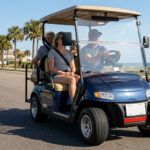
The dream is simple: a quiet, breezy ride around the neighborhood, the resort, or the back nine. But for many first-time buyers, that dream quickly turns into a financial headache. You see a Used Golf Cart listed for $3,500, and it looks like a steal compared to the $12,000 sticker price of a shiny new model.
However, in the world of small electric vehicles, “cheap” is often a relative term. If you don’t know what you’re looking at, you aren’t just buying a vehicle; you’re inheriting someone else’s neglected maintenance and their looming $2,000 battery bill. This guide will pull back the curtain on the real costs of ownership and help you decide if you should go with a fresh build or a pre-owned project.
Tabla de contenidos
How Much is a Used Golf Cart?
Before you start scrolling through Facebook Marketplace, you need a baseline for the market. So, how much is a used golf cart actually worth in today’s economy? Prices fluctuate based on the “Big Three” brands—Club Car, EZ-GO, and Yamaha—but here is a general breakdown of what your money buys:
- The Budget Tier ($2,500 – $4,500): Expect a cart that is 10+ years old. It will likely have older lead-acid batteries and some “battle scars” on the body. This is a project tier.
- The Mid-Range Tier ($5,000 – $7,500): Usually 5 to 7 years old. These often come from refurbished fleets. You might get a 1-year dealer warranty and potentially a newer set of batteries.
- The “Like-New” Tier ($8,000+): These are 1–3 year-old carts, often upgraded with electric golf cart technology like lithium batteries, lifted suspensions, and custom seats.
While the entry price of a Used Golf Cart is tempting, the initial purchase is only the first chapter of your checkbook’s story.
The Battery Trap
When people talk about golf cart battery life, they are usually referring to the chemical expiration date of the cells under the seat. If you buy a Used Golf Cart, the batteries are the single most important component.
Most older carts run on a Lithium-ion vs Lead-acid golf cart divide. Older models use lead-acid batteries which are heavy, require constant water refilling, and typically last only 3–5 years. If the previous owner skipped even a month of maintenance, those batteries could be “sulfated”—a chemical state that kills their ability to hold a charge.
According to the Battery Council International (BCI), improper charging and lack of watering are the primary causes of premature battery failure in small EVs. When you are looking at a Used Golf Cart, don’t just take the seller’s word that the batteries are “new.” Look for the date code stamped on the lead terminal or the label. If they are more than 3 years old, factor a $1,500–$2,500 replacement cost into your offer immediately.
What to Look for When Buying a Used Golf Cart?
If the batteries check out, your detective work isn’t done. You need to know what to look for when buying a used golf cart to avoid mechanical lemons.
1.The Chassis and Frame: This is non-negotiable. If you are buying a steel-framed cart (like older EZ-GOs) in a coastal area, check for “frame rot.” Lift the floor mat and look at the main beams. If there is heavy flaking rust, walk away. Aluminum frames (like Club Car) don’t rust, but they can crack under heavy stress.
2.The “Squeak” Test: Take a test drive. Turn the wheel sharply. If you hear popping or grinding, the tie rods or steering box are shot. Replacing a steering assembly isn’t just expensive; it’s a safety hazard.
3.The Controller and Motor: Smell the seat. Yes, really. If there is a lingering scent of burnt electronics, the controller might be overheating. This is common in a Used Golf Cart that has been “speed-chipped” by a previous owner to go faster than factory specs.
4.Tire Wear Patterns: If the front tires are worn heavily on the inside, the alignment is out. This usually points to a bent spindle or a worn-out leaf spring.
New Golf Carts: Why “Zero Miles” Might Be Cheaper
It sounds counterintuitive, but a $12,000 new cart can sometimes be more economical than a $5,000 Used Golf Cart. Why? It comes down to new golf cart warranty benefits.
A new cart typically comes with a 3-to-5-year bumper-to-bumper warranty and a separate 8-year warranty on the lithium battery pack. This eliminates the “surprise $2,000 bill” for nearly a decade. Furthermore, modern electric golf cart technology is significantly more efficient. Newer AC-drive motors use less electricity and provide more torque for hill climbing than the old DC motors found in mid-2000s models.
Cost Comparison: New vs. Used Over 5 Years
| Expense Category | New Golf Cart (Lithium) | Used Golf Cart (Lead-Acid) |
| Initial Purchase | $11,000 – $15,000 | $4,000 – $6,000 |
| Battery Replacement | $0 (Warranty/Long Life) | $1,800 (Year 2 or 3) |
| General Maintenance | $100 (Brakes/Tires) | $600 (Bushes/Cables/Watering) |
| Electricity Costs | Lower (Efficient Charging) | Higher (Lower Efficiency) |
| Resale Value | High | Low – Moderate |
Analyzing Golf Cart Maintenance Costs
Many buyers forget that golf cart maintenance costs don’t stop at the batteries. A Used Golf Cart often requires “death by a thousand cuts” repairs. Brake shoes wear down, bushings in the leaf springs dry out and crack, and charger receptacles become loose and melt.
If you choose a used model, you should budget at least $300 annually for “wear and tear” items. Conversely, a new cart with a lithium setup is virtually maintenance-free. You don’t have to water the batteries, you don’t have to clean acid corrosion off the terminals, and you don’t have to worry about the average lifespan of used golf cart batteries because you aren’t using 100-year-old lead-acid technology.
Who Should Buy What?
Buying a Used Golf Cart is a great move if you are a DIY enthusiast. If you enjoy wrenching on machines and want to build a custom “hot rod” cart, starting with a cheap used frame is the way to go. You can find a Used Golf Cart for a bargain, strip it down, and install exactly the seats and lights you want.
However, if you want a machine that works every time you turn the key, the new market is safer. The peace of mind provided by a warranty and the longevity of modern lithium power often outweighs the initial savings of a pre-owned vehicle.
Bottom Line
Whether you choose a new model or a Used Golf Cart, do your homework. Check the frame, verify the battery age, and don’t be afraid to walk away from a deal that feels too good to be true. A golf cart should be a source of relaxation, not a permanent fixture in your repair shop.
If you’re looking for more technical specs on specific models, check out the International Light Transportation Vehicle Association (ILTVA) for safety standards and manufacturer guidelines.
Preguntas frecuentes
How many hours on a used golf cart is considered “high”?
Anything over 500-600 “key hours” is moving into the high-use category. For context, a well-maintained fleet cart might hit 1,000 hours before needing a major motor overhaul.
Can I convert my Used Golf Cart to lithium later?
Yes, but it’s expensive. A quality drop-in lithium kit costs between $1,500 and $3,000. Factor this in if you buy a cart with dead lead-acid batteries.
Which brand is the best for a Used Golf Cart?
Club Car is highly prized because of its aluminum frame, which never rusts. EZ-GO and Yamaha have massive aftermarket support, making parts very easy to find.
Does a used golf cart need insurance?
If you drive it on public streets (LSV), yes. Most homeowners’ policies do not cover golf carts off your personal property unless you add a specific rider.