Hotel cart buying should begin with service moments, not generic fleet language
An electric golf cart for hotel use succeeds when it supports visible guest moments and quiet operational routines at the same time. The front entrance, villa transfer route, conference path, laundry lane, and late-night support run all create different demands. A buyer who treats them as one generic hotel route will usually choose either too much vehicle or too little. A buyer who maps those moments before contacting B Type Electric Golf Cart, Solución de carrito de golf, and Request a Quote gives the supplier enough context to recommend a more accurate model and accessory package.
The keyword workbook used for this automation highlighted “electric golf cart for hotel” as a practical B2B use-case term. That makes sense because hotel operators care about a mix of guest comfort, quiet movement, luggage handling, battery discipline, and a finish that still looks professional after repeated daily use. Public context like golf cart background can help new buyers understand the category, but the real selection work starts with shift patterns, service touchpoints, and the level of visibility the cart has in front of guests.
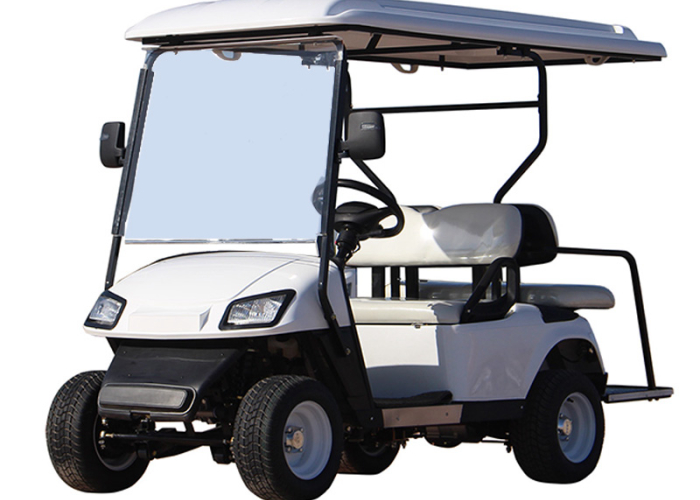
Most hotels do not need every cart to do everything. One route may serve arrival transfers, another may carry linen or engineering staff, and another may support events. That is why buyers should decide whether they want one guest-facing cart plus one back-of-house cart, or a shared vehicle that can be cleaned and repositioned between tasks. Internal references like Carro de golf VY-B4+2 para seis pasajeros and Electric Golf Cart Products are useful because they let the buyer compare a practical passenger cart against other role-specific options without leaving the site’s own product structure.
Map guest routes separately from service-team routes
Guest routes should be studied for boarding ease, visible appearance, low noise, and how smoothly the cart moves through pedestrian-heavy areas. Service-team routes should be studied for durability, staging convenience, and whether the cart carries supplies or only people. Combining both into one vague route description often leads to compromises that neither team enjoys. A hotel that documents lobby pickup points, villa transfer length, luggage volume, housekeeping shortcuts, and event-setup lanes will ask much better procurement questions.
A route map should also show where the cart waits between trips. If the vehicle blocks a guest walkway or occupies a noisy loading area, the operating problem is not the battery or the seat count; it is the staging decision. The best hotel carts feel almost invisible in operation because they are parked, charged, and dispatched from places that support the property flow rather than interrupt it. That is why Park and Outdoor Transport Solution and Contact Varyon are useful companion pages when the buyer is defining how the cart fits into the larger property layout.
Where the route touches public-access roads or crossings, the site should confirm whether extra safety equipment or local policy language is needed. NHTSA low-speed vehicle guidance, 49 CFR 571.500, and CPSC golf cart and LSV safety guide provide good public background on low-speed vehicle expectations, but the final operating boundary should be approved by the property and local authority, not guessed by the driver at the curb.
| Lobby and arrival route | Quiet approach, easy boarding, weather protection, luggage awareness, polished finish. |
| Villa or resort-room transfer | Comfort over longer internal roads, reliable range, clear wayfinding, smooth braking. |
| Engineering or housekeeping support | Easy cleaning, durable trim, practical storage, predictable charger return times. |
| Event and banquet support | Fast dispatch, crowd awareness, temporary route controls, shift handover clarity. |
Plan battery charging around occupancy peaks, not empty time on paper
Hotels often underestimate how uneven demand can be. Morning check-outs, afternoon arrivals, conference breaks, and evening functions can create very different cart loads across one day. The charging plan should therefore be built around the heaviest realistic window and the amount of recovery time between visible service runs. Lithium systems are often preferred because they support steady daily operation with less maintenance friction, but the operating win only appears when the charger, cable path, and parking rules are all clear. Battery University charging overview and U.S. DOE charging basics provide helpful background while the supplier’s charger instructions should guide the final setup.
Charging is also a hospitality issue because poor charging habits show up as late pickups, canceled room transfers, or staff using the wrong cart for the wrong task. The hotel should decide who plugs the cart in, where it waits while charging, how faults are reported, and whether the same bay also serves other electric vehicles. OSHA’s charging guidance at OSHA battery charging guidance is a useful public reference because it emphasizes cable management, trained staff, and organized charging spaces, all of which matter in a service property with tight backstage areas.
If the hotel expects the cart to run during rain or in high-humidity climates, weather protection and charger placement deserve extra attention. Can the cart be parked under cover. Does the route force the driver across wet decorative paving. Is the windshield choice correct for the climate. Practical answers to those questions matter far more than a vague promise of “all-weather performance.”
Choose a guest-facing configuration without ignoring service reality
The best guest-facing cart is not always the most elaborate one. A hotel vehicle should look clean and intentional, but it must also be easy to charge, easy to wipe down, and comfortable for repeated short trips. Buyers should think about seat material, handholds, step height, roof coverage, luggage interaction, and how the cart appears at the entrance after a full day of use. Accessories from Golf Cart Accessories can help, but only when they solve a real service problem rather than adding clutter.
For mixed-use operations, the buyer should decide whether one trim package can serve both guests and staff without looking out of place. A cart that carries guests in the morning and maintenance tools in the afternoon needs a stricter handover and cleaning routine than a dedicated guest shuttle. That is a management choice, not just a vehicle choice. It should be made before the order is placed so the configuration matches the staffing plan.
Safety remains part of the guest experience. Clear mirrors, predictable braking, visible lighting, and good driver sight lines protect both the passenger and the surrounding walkway traffic. Public resources such as CDC motor vehicle safety resources, ADA mobility device guidance, and OSHA personal protective equipment guidance reinforce the importance of training, accessibility awareness, and safe staff behavior even when the vehicle itself is quiet and low-speed.
Ask suppliers for hotel-specific support details
A hotel should ask a supplier how the cart is packed, which spare parts wear fastest, how quickly a charger can be replaced, what documentation arrives with the unit, and how a branded finish is maintained. That conversation reveals whether the supplier understands hotel uptime needs or is simply selling a general electric vehicle. Pages like Electric Golf Cart Manufacturer and Electric Golf Cart Blog are useful internal references because they let the buyer compare broader brand positioning with the specific support answers given in the quote process.
The hotel should also explain whether the cart serves one property, several buildings, or a large resort-style campus. That affects recommended seat count, roof style, tire pattern, and the case for a second vehicle. Industry and safety bodies such as ANSI standards overview, UL Standards and Engagement, and NFPA electric vehicle safety resources are useful background because they point the buyer toward documentation, component quality, and disciplined charging rather than toward oversimplified sales language.
The final procurement file should therefore include route notes, service windows, boarding points, weather exposure, luggage behavior, charger location, and any must-have appearance standards. When those facts are clear, the buyer can make a better choice between a polished guest shuttle setup and a more practical mixed-use arrangement.
Pilot the route during real occupancy pressure before committing
A hotel should test its intended cart routine on a busy arrival or event day before assuming the first configuration is perfect. Watch how the vehicle approaches the entrance, how long it waits between trips, where baggage creates delay, and whether the charger return window is realistic once occupancy rises. A route that seems comfortable on a quiet weekday can feel very different during a group check-in or conference handover.
That pilot should also include the service team, not only the front-desk team. Engineering, housekeeping, bell staff, and event support may use the same vehicle differently, and each group will notice different friction points. One team may care about turning room, another about storage, and another about the time needed to clean the cart before guests see it again. Those practical notes help the property decide whether one cart is enough or whether the hotel needs a dedicated guest shuttle plus a separate support unit.
A short post-pilot review should confirm route rules, charger timing, cleaning expectations, and whether the appearance standard still makes sense after a full shift. This is also the right time to tighten driver instructions so the cart always returns to the same bay, follows the same loading rule, and reports the same issues at handover. Hotels that make those habits visible tend to get more consistent service from the same vehicle.
If the test day shows that guest movement and back-of-house work compete for the same vehicle too often, that is valuable information rather than a failure. It may mean the hotel should order a second cart, reassign one route, or simplify one accessory package so the vehicle returns to service faster. Those are useful decisions to make before the property relies on the cart every day.
Managers should also use the pilot to decide which details are worth standardizing across future orders. A property may discover that one mirror setup works better at the porte cochere, that one roof style gives staff better visibility under trees, or that one charger location causes less conflict with housekeeping traffic. Those lessons turn a single buying decision into a repeatable property standard, which is exactly what hotels need when service consistency matters as much as vehicle performance.
Even small pilot notes can matter later. If guests hesitate at one boarding angle, if bell staff consistently store bags in the same spot, or if drivers report the same visibility issue at dusk, those patterns should influence the final specification. They are exactly the sort of practical details that separate a merely workable hotel cart from one that feels purpose-built for the property.
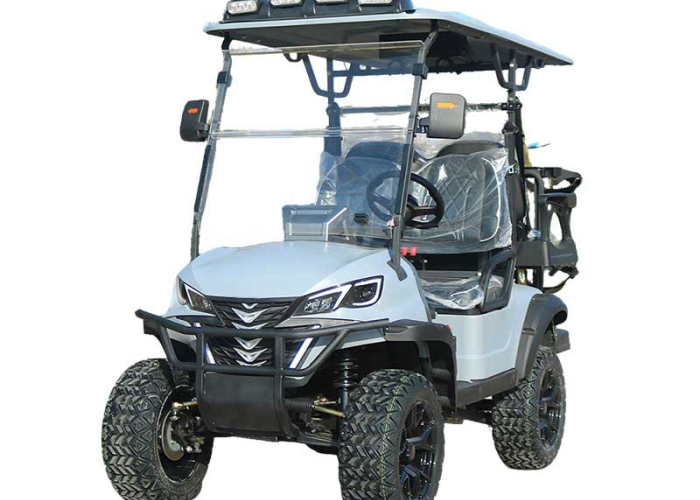
Video reference
The video below gives a visual reference for hotel and resort electric golf cart use. It is most useful when combined with the route and charging checklist outlined above.
Questions hotel buyers often ask
Should one cart handle both guest shuttle and service-team work?
It can, but only when the site has a clear handover, cleaning, and charging routine. If guest-facing quality matters at all times, separate roles may work better than one constantly repurposed cart.
What matters most at the hotel entrance?
Quiet approach, easy boarding, predictable stopping, a clean finish, and enough space for staff to manage bags without blocking traffic. That mix is usually more important than a long feature list.
How should the hotel think about charger placement?
Place the charger where staff can reach it easily, where cables do not interfere with walkways, and where the cart can return on schedule between visible service periods. If that process is already defined, Solicite una cotización is the right next step for model selection.
Final decision view
A hotel electric golf cart should feel calm in operation: guests board easily, staff know where it charges, drivers understand the approved route, and the vehicle still looks appropriate after a full shift. That outcome comes from route clarity and charger discipline more than from any one specification line.
When the property has documented those details, the buyer can choose a hotel cart with more confidence and fewer compromises. That is the point where a quiet electric golf cart becomes part of the guest experience instead of just another transport asset.