
Table of Contents
The use of golf carts has traditionally been limited to golf courses, but in recent years, a growing trend has emerged: communities where golf carts serve as a primary mode of transportation. These areas are transforming the way people live, interact, and move around residential spaces. In this article, we’ll explore the benefits and challenges of such communities, including their impact on daily life, environmental sustainability, and local regulations.
What are Golf Cart Communities?
Golf cart communities refer to residential areas where golf carts are legally used for transportation within the community. These communities typically have specific infrastructure, such as designated cart paths, that allows residents to use their carts for short-distance travel, running errands, or accessing local amenities. This unique transportation option is growing in popularity, particularly in retirement communities and areas with warm climates, like Florida and Arizona.
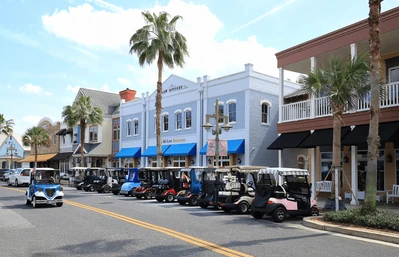
The concept of golf cart communities offers residents a more leisurely, eco-friendly, and cost-effective way to travel within their neighborhoods.
The Benefits of Golf Cart Communities
There are several advantages to living in a golf cart community, including:
1.Sustainability: Golf carts are more environmentally friendly than traditional vehicles, producing fewer emissions. This is especially important in communities looking to promote eco-friendly living.
2.Health and Well-being: Golf carts encourage walking, biking, and outdoor activities, contributing to a healthier lifestyle for residents.
3.Cost-effective Transportation: Golf carts are cheaper to operate and maintain than cars, making them an appealing option for retirees or those looking to cut transportation costs.
4.Convenience: Residents can easily access local amenities, such as grocery stores, post offices, or recreational facilities, without the need for a car.
In golf cart communities, these benefits become even more pronounced as residents can integrate their carts into their daily routines, reducing the reliance on traditional vehicles.
Legal Considerations for Golf Cart Communities
While golf cart communities offer many benefits, there are several legal aspects to consider. Most states have specific regulations governing the use of golf carts on public roads. For example, Florida, known for its large number of golf cart communities, has specific laws allowing golf carts to be used on roads with speed limits of 35 mph or less. In contrast, some states may restrict the use of golf carts to private property or specific neighborhoods with designated cart paths.
Before moving to or establishing a golf cart community, it’s important to check local regulations and ensure compliance with state and federal laws. Issues such as insurance, licensing, and road safety must be addressed to ensure that residents can use their golf carts legally and safely.
Some communities may also require golf carts to meet certain safety standards, such as having headlights, turn signals, and seat belts, especially if the carts will be used on public roads.
How Golf Cart Communities Are Transforming Neighborhoods
The rise of golf cart communities is reshaping how people think about transportation. In places like The Villages in Florida, golf carts are not just a convenience but a way of life. Residents of these communities often prefer to use their golf carts for daily errands and social gatherings, fostering a sense of community.
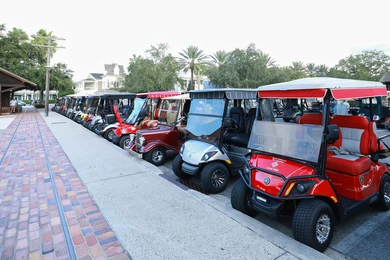
By reducing reliance on cars, golf cart communities promote a slower, more relaxed pace of life. They also encourage social interactions among neighbors, as residents are more likely to cross paths when traveling by cart. This fosters a strong sense of community and enhances the overall living experience.
Challenges and Drawbacks of Golf Cart Communities
Despite the many benefits, there are some challenges associated with these communities. One of the main concerns is safety, as golf carts are slower and less visible than cars, making them potentially hazardous when used on public roads. Additionally, the infrastructure required to support such communities, such as dedicated paths and charging stations, can be expensive for developers to implement.
Moreover, not all residents may be comfortable with the idea of using golf carts for daily transportation. Some may prefer the convenience of cars, especially for longer trips or inclement weather.
Golf Cart Communities Across the U.S.
These types of communities are primarily found in warm climates, particularly in states like Florida, Arizona, and California. These areas, which cater to retirees and those looking for a slower pace of life, are ideal for golf cart use. In fact, Florida is home to some of the largest and most well-known communities, such as The Villages and Sun City, where golf carts are the primary mode of transportation.
In other states, the growth of golf cart communities is also gaining traction, especially in suburban areas where residents seek eco-friendly and affordable alternatives to traditional vehicles.
Conclusion
In conclusion, golf cart communities are becoming a popular and viable option for those looking to reduce their environmental impact, lower transportation costs, and foster a sense of community. As the trend continues to grow, it’s important for potential residents and developers to understand both the benefits and legal requirements associated with living in or building a golf cart community.
By ensuring proper infrastructure and following state regulations, golf cart communities can provide a unique and enjoyable living experience. If you’re considering joining one of these communities, it’s essential to explore the local laws and community guidelines to make the most of this growing trend.
To learn more about golf carts, please click here.