Tabla de contenidos
golf cart tire pressure is a small adjustment that delivers outsized benefits for ride quality, efficiency, and tire longevity. Understanding proper inflation, how load and terrain affect recommended PSI, and how to check pressure correctly will keep your cart safer and reduce operating costs.
Recommended golf cart tire pressure ranges
Every golf cart and tire model has a manufacturer-recommended pressure range. As a rule of thumb, turf tires used on course greens are inflated lower for flotation, while highway or street-legal tires require higher PSI for stability.
| Tire type | Typical pressure (PSI) | Typical use |
|---|---|---|
| Turf / low-pressure | 8–12 psi | Soft turf, minimal track wear |
| Standard pneumatic | 12–18 psi | General course and light utility use |
| Street or heavy-load | 20–26 psi | Pavement, higher speeds, heavier loads |
When setting golf cart tire pressure, consult the tire sidewall and vehicle manual first. Differences between cold and hot inflation matter: always measure cold pressure for consistency.
How to check golf cart tire pressure correctly
A simple gauge and a consistent routine prevent many issues. Follow these steps:
1.Park on level ground and let tires cool if recently used. Cold inflation gives accurate readings.
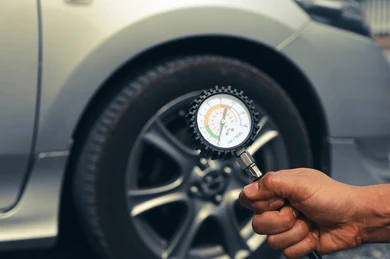
2.Remove valve caps and press a calibrated tire gauge firmly onto the valve stem until the reading stabilizes. Digital or dial gauges with 1 psi resolution are preferred.
3.Compare the reading to your target golf cart tire pressure and add or release air as necessary. Use a compressor with an inline regulator for controlled inflation.
4.Replace valve caps to prevent dirt ingress and recheck monthly or before long trips.
Recording pressures in a maintenance log helps track slow leaks and seasonal variations.
Effects of incorrect golf cart tire pressure
Underinflation and overinflation each introduce distinct problems:
- Underinflation increases rolling resistance, reducing range on electric carts and speeding fuel use on gas models. It also raises heat buildup and accelerates sidewall fatigue.
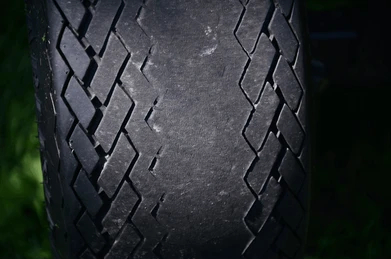
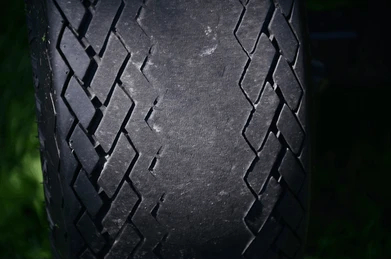
- Overinflation reduces tire contact patch, degrading traction and increasing susceptibility to punctures from road debris. Ride becomes harsher, and uneven wear patterns (center wear) appear sooner.
Both conditions can compromise handling during turns or emergency maneuvers. In fleet contexts, inconsistent golf cart tire pressure across vehicles leads to variable performance and unpredictable downtime.
Seasonal and load adjustments for golf cart tire pressure
Ambient temperature and carried weight affect optimal inflation. For each 10°C (18°F) change, expected tire pressure shifts by roughly 1–2 psi. Adjust pressure if moving from cold storage to a warm environment.
When transporting passengers or heavy cargo, increase PSI within the manufacturer’s safe limit to maintain proper load-bearing and prevent excessive deflection. Conversely, when operating on delicate turf, reduce pressure carefully to limit soil compaction—again, staying within safe limits.
Tire selection and implications for golf cart tire pressure
Different constructions—bias ply vs radial—respond differently to inflation. Radial tires maintain a more stable contact patch across pressures, while bias ply can flex more under load. For a given golf cart tire pressure, radial tires may offer improved rolling resistance and longevity.
Proper tire sizing also affects recommended inflation; a wider tire used at lower PSI offers greater flotation than a narrow tire at the same pressure.
Maintenance checklist including golf cart tire pressure
Regular inspection avoids surprises. Include these actions in your routine:
- Visual inspection for cracks, bulges, embedded debris.
- Monthly pressure checks with a calibrated gauge.
- Rotate tires or reverse flats per manufacturer guidance to even wear.
- Check valve stems and caps; replace aged stems to prevent slow leaks.
- Monitor tread depth and replace tires that show irregular wear despite correct golf cart tire pressure.
A short table of inspection frequency:
| Task | Frequency |
|---|---|
| Pressure check | Monthly / before long use |
| Visual inspection | Weekly |
| Tread and balance check | Every 6 months |
| Full service (alignment, replace valves) | Annually |
Tools and best practices
Use a quality tire gauge and an air compressor with regulator. Carry a portable gauge in the cart for quick checks. Avoid overfilling—use small increments when adding air and recheck.
For electric carts, monitor range after adjustments; properly inflated tires can yield measurable range gains. Academic and industry sources such as tire manufacturers and transport engineering texts explain the physics behind rolling resistance and energy consumption—further reading on tyre behavior is available via engineering references and entries like the Wikipedia page on tire pressure.
Troubleshooting common pressure-related issues
If you notice rapid pressure loss, inspect for punctures, damaged valve stems, or bead seating issues. For slow leaks, apply soapy water to valves and tread area; bubbles indicate leak sites. Replace defective components promptly.
When uneven wear persists despite correct golf cart tire pressure, check wheel alignment and suspension components—improper camber or bent rims alter contact patterns and accelerate one-side wear.
Safety and regulatory notes
When operating on public roads, maintain pressure that aligns with code and tire ratings. Speed rating, load index and recommended golf cart tire pressure together determine safe operating envelopes. Always adhere to local regulations for street-legal vehicles.
Conclusión
Consistent attention to golf cart tire pressure is simple yet highly effective maintenance. Proper inflation boosts safety, improves energy efficiency, extends tire life, and enhances rider comfort. A brief monthly check, combined with a visual inspection and adherence to manufacturer guidance, prevents common problems and keeps carts performing predictably.
If you want to know more about the relevant content, please haga clic aquí.