Customization works best when the operating job is already clear
A custom electric golf cart should never begin with color alone. The best custom orders start with a simple description of where the cart will run, who will ride in it, what accessories are truly required, and how the vehicle will be serviced after delivery. That process keeps the buyer focused on function before appearance and makes a conversation with D Type Electric Golf Cart, Electric Golf Cart Products, and Request a Quote much more productive. Customization is valuable when it improves the fit between the cart and the route, not when it hides unanswered operating questions.
The keyword workbook for this site treats “custom electric golf cart” as a commercial term tied to seats, roofs, windshields, branding, and accessory selection. That makes practical sense because many fleet buyers want a cart that matches hotel colors, resort standards, golf course identity, or a distributor’s target configuration. Public background like golf cart background is fine for terminology, but a purchase decision still depends on what the buyer needs the cart to do every day, who approves the final look, and how the site plans to maintain it after arrival.
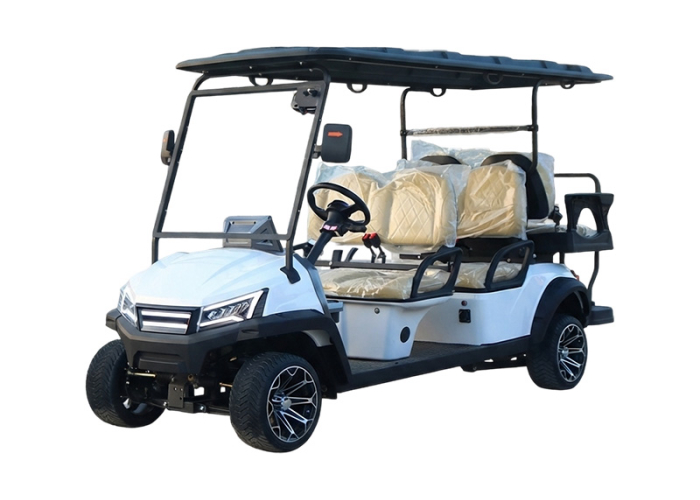
A useful customization checklist therefore separates must-have elements from optional finishes. Seat layout, roof type, charger compatibility, windshield selection, lighting, mirrors, tire pattern, and battery choice usually belong in the must-have group. Branding decals, trim accents, special seat textures, cup holders, and decorative add-ons often belong in the optional group. Buyers comparing VY-D2+2 Chinese Golf Carts and VY-D4+2 Golf Cart 6 Seater should hold that distinction throughout the quote process so appearance does not crowd out route fit and service access.
Start with seating, boarding, and real route conditions
Custom seating choices should answer a route question. Does the cart move hotel guests with luggage, sales visitors around a campus, golf players with bags, or maintenance supervisors between checkpoints. A front-facing layout may help some commercial routes, while a rear-facing arrangement may support group transfer more efficiently. The buyer should note how riders board, whether they need handholds or low step height, and how often the cart stops. Those observations help the supplier decide whether a platform like VY-D4+2 Golf Cart 6 Seater or another series from Electric Golf Cart Manufacturer is a cleaner starting point.
Boarding comfort has a direct effect on satisfaction and safety. If the route includes older passengers, frequent luggage handling, or wet surfaces, the buyer should pay extra attention to step height, grip points, roof coverage, and seat firmness. Sites that expect guest-facing use should also review how easily the cart can be cleaned between shifts. That is why Park and Outdoor Transport Solution and Contact Varyon are helpful internal references: they push the discussion back toward the real operating scene instead of keeping it at a decorative level.
When the cart may touch public-road crossings or community lanes, customization decisions should also respect compliance and safety. Lighting, mirrors, horn placement, windshield materials, brake feel, and the driver’s field of view deserve early attention. Background references like NHTSA low-speed vehicle guidance, 49 CFR 571.500, and CPSC golf cart and LSV safety guide do not replace local rules or the supplier’s technical file, but they do show why so-called cosmetic features often have operational value once the cart leaves a private loading bay.
| Seating layout | Match passenger count, boarding direction, and luggage behavior to the route. |
| Roof and weather setup | Choose canopy depth, windshield, enclosure, and drainage with climate in mind. |
| Accessory package | Add mirrors, lights, storage, covers, and utility details that support the daily job. |
| Brand finish | Apply colors and decals after the route, charger, and service requirements are settled. |
Select roofs, weather protection, and accessories in one conversation
Roof style should be linked to passenger exposure, storage height, and the climate where the vehicle will work. A large hotel or resort may want strong shade coverage and a clean silhouette at the entrance, while a gated community or park route may care more about durability and easy cleaning after rain. Buyers should decide whether the cart truly needs a full windshield, split windshield, side curtains, bag holders, rear storage, or weather enclosures before the quote is finalized. The most efficient way to do that is to review Golf Cart Accessories together with the base platform, not as a last-minute add-on list.
Accessories are often where cost, usability, and service complexity intersect. A cup holder is easy. Added lighting, larger screens, enclosure hardware, alternate tires, upgraded seating, or storage modules can change wiring, weight, packing, and replacement parts planning. Buyers who want a branded fleet should therefore confirm which accessories are factory-installed, which ship separately, and how service staff can replace them later. Organizations like ANSI standards overview and UL Standards and Engagement are useful background because they reinforce the idea that component quality and installation discipline matter more than a long list of unchecked options.
Customization is also the right moment to think about driver convenience. Storage placement, mirror position, cup holders, charging-port access, and the way the seat supports long shifts can be more important than a dramatic paint detail once the cart is used every day. For fleet use, the best custom package is usually the one that reduces operator improvisation instead of adding more parts to manage.
Treat branding and color as fleet-management decisions
Branding has practical value when it improves recognition, wayfinding, or departmental assignment. A hotel may want arrival carts, housekeeping support carts, and security carts to be distinguishable at a glance. A resort may want consistent colors across guest transport and guided-tour vehicles. A distributor may want a neutral base color that works with several customer segments. In each case, the visible finish should help the operation run more clearly, not just look attractive in a static product photo.
The buyer should therefore confirm where logos appear, whether decals can be replaced without damaging the finish, and how touch-up parts will be handled later. If the cart works outdoors year-round, weather exposure, wash routines, and seat material cleaning also matter. Operational safety references like OSHA personal protective equipment guidance and NFPA electric vehicle safety resources may seem separate from branding, but they remind the team to think about who cleans, charges, and maintains the vehicle after the attractive delivery-day photos are over.
Good branding decisions also protect resale or reassignment flexibility. Highly specific graphics can make a fleet look excellent in the short term but awkward to redeploy later. Buyers who expect multi-year use should ask whether the cart can be rewrapped, whether panels are easy to replace, and how color consistency is handled on future orders. That type of question shows a supplier that the buyer is planning for an operating life, not just a first shipment.
Match battery, charger, and maintenance access to the custom build
A custom build can unintentionally make maintenance harder if the charger connection, body panels, or accessory wiring crowd the places technicians need to reach. That is why battery chemistry, charging routine, and service access should be discussed while the configuration is still fluid. Lithium systems often appeal to buyers who want simpler day-to-day charging and consistent performance, but the best outcome depends on the correct charger, clear instructions, and a clean parking area. Battery University charging overview and U.S. DOE charging basics are useful background sources, while OSHA battery charging guidance is a good reminder that organized charging areas are part of fleet quality.
Maintenance access should be evaluated in plain language. Can staff reach the charging port without bending awkwardly. Can a technician inspect accessory wiring without removing too many decorative panels. Will the chosen roof or enclosure make routine cleaning harder. These are not glamorous questions, but they are the ones that determine whether a custom cart feels premium six months after delivery instead of only on day one.
The buyer should also ask how the custom configuration affects spares. A fleet with unique seats, special trim, or nonstandard storage boxes may need a clearer replacement plan than a standard model. When those details are settled early, the supplier can explain stocking expectations and the buyer can avoid future surprises.
Approve samples, change control, and reorder rules before mass production
Custom orders become easier to manage when the buyer defines an approval path before production starts. That path should state who signs off on color, decal placement, accessories, and any seat or roof variation; what photo or sample evidence is required; and how late changes are handled. Without that structure, the project can drift into repeated revision cycles where appearance decisions keep moving while the technical specification becomes less clear.
A sample unit or a pre-production confirmation set is especially useful when the cart will face guests, distributors, or branded fleet operators. The buyer can confirm whether the seat material feels correct in person, whether logos remain readable at distance, and whether storage, mirrors, or weather accessories interfere with entry and exit. It is much cheaper to correct those items at the sample stage than after several carts have already been built and packed.
The same approval file should explain how future reorders will be matched. If the buyer expects another shipment in six or twelve months, the supplier should know which parts of the build are frozen and which remain flexible. That protects color consistency, spare-part planning, and branding quality across time. For fleet buyers, change control is not bureaucracy; it is what keeps a successful custom cart from becoming inconsistent in the second order.
A short sign-off sheet can make this practical. List the approved seat layout, roof type, windshield, accessory package, charger, branding placement, and any parts that must match future orders exactly. When everyone signs the same sheet, the buyer and supplier both have a cleaner reference if questions appear during production or after delivery.
It is also wise to define who can approve a midstream change once production has started. If a sales team asks for a new decal location, if a hotel wants a different seat color after sample review, or if a distributor wants to switch an accessory for a later shipment, the supplier and buyer should know whether that request changes lead time, spare-part consistency, or packing. Clear change rules protect the relationship because they turn surprise requests into managed decisions instead of preventable arguments.
Video reference
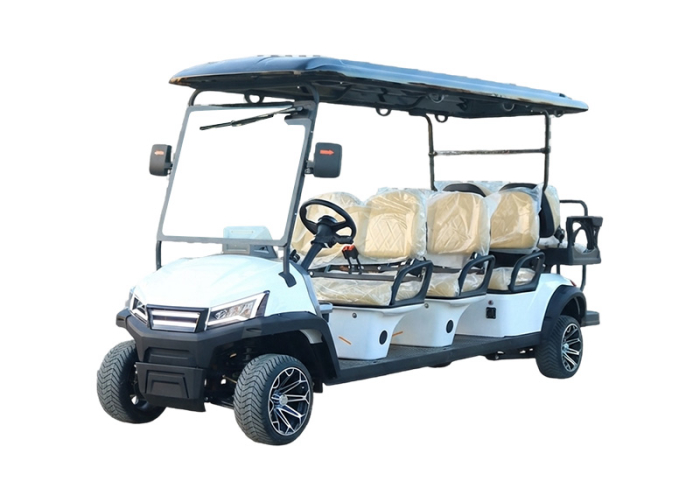
The video below offers a quick visual reference for a custom electric golf cart presentation. It is most useful when paired with the checklist above so the buyer can separate attractive options from route-critical decisions.
Questions buyers often ask
What is the first customization decision to make?
Start with the route and passenger job. Once the buyer knows who rides in the cart, how often it stops, what the climate looks like, and where it charges, the right seats, roof, and accessory package become much easier to choose.
Should branding be finalized before the technical specification?
No. Branding should follow the technical fit. A buyer should lock in seating, battery, charger, visibility, and maintenance access first, then decide how the cart should look in service. Electric Golf Cart Blog and Request a Quote are better next steps than chasing appearance without the operating details.
How can a buyer keep a custom order service-friendly?
Ask how each accessory affects wiring, charging, cleaning, spare parts, and panel access. If the supplier can explain that clearly, the custom order is more likely to stay easy to own after delivery.
Final decision view
A good custom electric golf cart is not the one with the longest list of options. It is the one whose seating, roof, accessories, and finish all support the way the cart will actually be used. Buyers who document the route, climate, passenger load, and charger routine before asking for colors and trim usually end up with a better vehicle and a clearer after-sales plan.
Once those fundamentals are defined, branding and appearance become strategic rather than cosmetic. That is the right moment to move from checklist to quote through Contact Varyon and confirm how the custom package will be built, shipped, and supported.