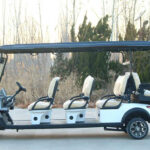
Choose the route fit first, then compare the A type platform
An A type electric golf cart is usually shortlisted because the buyer wants a clean passenger-focused platform that looks professional, turns easily, and works well on golf courses, resorts, and estate roads. That first impression is useful, but it is not enough to support a purchase decision. The right question is whether the cart can handle the exact route, boarding pattern, parking space, charging routine, and passenger expectation that the property deals with every day. Buyers who start with the route usually make calmer decisions and ask better questions when they reach Request a Quote.
This matters because the same cart can feel excellent in one environment and awkward in another. A short golf-course transfer with light bags is different from a resort loop where passengers step in and out with luggage, and both are different from a private estate where the owner expects quiet comfort, weather protection, and low visual clutter. Basic background from golf cart background is helpful for category language, while the broader vehicle context from Alternative Fuels Data Center electric-vehicle overview reminds buyers that charging, duty cycle, and operating habits all affect whether a vehicle stays convenient after the handover.
This guide focuses on practical buyer checks instead of vague feature lists. It is written for teams comparing A Type Electric Golf Cart, browsing the wider Electric Golf Cart Products, or trying to decide whether a familiar A type layout is better than a larger or more specialized cart. The goal is not to chase every option. It is to decide whether the route, passenger job, and support plan genuinely match the strengths of the A type platform.
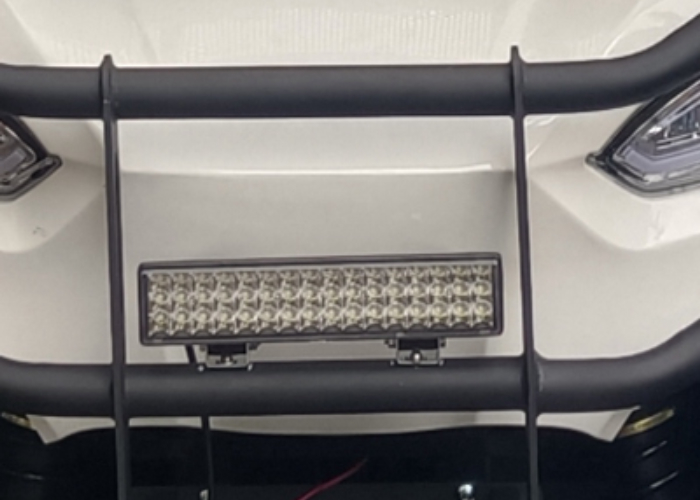
Define the passenger job before comparing seat layout and accessories
Begin with the passenger job. Write down who rides, how often they board, what they carry, and where the most awkward stop is likely to be. A golf-course marshal route, a villa transfer route, and a private-estate mobility loop may all use a similar cart body, yet they place different demands on step height, bag space, turning behavior, roof coverage, and handholds. Buyers should also note whether the route is mostly level pavement, mixed paths, or decorative surfaces where tire choice and steering feel matter more than top speed.
This route-first method keeps the purchase grounded in daily use instead of showroom preference. The CPSC golf cart and LSV safety guide provides a useful reminder that low-speed passenger vehicles still need clear operating discipline around riders, speed, and route awareness. When the job is written down carefully, an A type model such as the Carrinho de golfe elétrico VY-A2+2 or a four-seat layout on the A Type Electric Golf Cart page becomes easier to judge because the buyer is no longer guessing what the cart will need to do after delivery.
| Golf course circulation | Prioritize smooth steering, quiet movement, bag or accessory space, and easy repeat stops. |
| Resort guest transfers | Prioritize clean boarding, roof coverage, comfort, and orderly staging near entrances. |
| Private estate mobility | Prioritize simple charging, compact parking, comfort, and low-maintenance presentation. |
| Club or community errands | Prioritize repeat reliability, brake confidence, and visibility in mixed pedestrian areas. |
Check size, turning behavior, and parking reality
An A type cart often looks compact enough on paper, but buyers should still test where it turns, waits, and parks. Look closely at the tightest loading point, the charger bay entrance, and any place where landscaping, walls, bollards, or parked cars narrow the path. A property that ignores turning behavior may end up with a cart that fits the brochure but feels inconvenient at the exact stop where guests, members, or residents expect smooth service.
Parking depth is part of the decision as well. If the cart must share space with support vehicles or charge under a roof with limited aisle clearance, the practical fit matters more than a nominal seat count. The ADA mobility device guidance guidance is useful background because it keeps buyers thinking about entry, maneuvering, and user comfort instead of focusing only on the vehicle silhouette. A good fit feels easy in motion and orderly when the cart is parked, cleaned, and plugged in.
Review battery routine and charger placement before ordering
Battery selection is not only a chemistry question. The real issue is whether the property can support consistent charging and a clean handover routine. A buyer should inspect where the cart returns after the final trip, who plugs it in, how cables are protected, and whether staff can notice a problem before the next shift starts. The practical charging background from U.S. DOE charging basics, Battery University charging overview, and OSHA battery charging guidance helps buyers frame the right questions, but the final rule set should still follow the supplier instructions for the actual pack and charger.
For estates and resorts, charging presentation matters almost as much as uptime. A tidy bay, clear ownership, and an easy inspection routine reduce missed plugs, low-battery surprises, and battery abuse caused by rushed habits. Buyers comparing the A type family should ask whether the charger location is dry, visible, and convenient enough for daily discipline. If charging only works when staff improvise, the vehicle choice and the site layout are not yet aligned.
Comfort details decide whether passengers trust the cart
Passengers notice comfort in seconds. They feel step height, seat support, roof coverage, wind exposure, and how confidently the cart stops at low speed. That is why a buyer should evaluate seating geometry and handhold placement during a real boarding sequence rather than while the cart is empty at rest. A route that includes older passengers, club members with bags, or guests carrying personal items should be checked for entry ease and stable footing before any styling decision becomes final.
Comfort also includes noise, vibration, and how clean the route feels. Buyers reviewing Electric Golf Cart Manufacturer and the broader Solução de carrinho de golfe should ask whether the cart will operate in quiet hospitality spaces, beside villas, or near sensitive landscape areas. A calm, comfortable platform tends to produce fewer complaints and less driver overcorrection. That matters on premium routes where a rough stop or awkward boarding moment is remembered longer than any catalog feature.
Safety equipment and route rules should be written before delivery
A tidy passenger cart still needs disciplined safety planning. Mirrors, lighting, horn use, parking brake habits, speed expectations, and route boundaries should be defined before the cart arrives. If the property expects any public-road crossing or mixed-traffic exposure, the distinction between a golf cart and a low-speed vehicle must be reviewed carefully. The background information at NHTSA low-speed vehicle guidance and 49 CFR 571.500 is helpful for federal context, while local rules still control what may be used on public roads and how the vehicle must be equipped.
This step prevents the common mistake of buying first and defining the operating rule later. A calm route with clear rules gives the A type platform a better chance to perform well, because the driver is not improvising speed, loading, or parking decisions at every stop. A written one-page route standard is often enough, provided the property actually uses it during handover and ongoing supervision.
Supplier support matters after the test drive
A serious supplier should discuss route fit, charging discipline, spare parts, accessory compatibility, and what information is needed before production. If the conversation stays only on appearance or price, the buyer may be missing the most important part of ownership. Pages such as Contact Varyon, Electric Golf Cart Blog, and Request a Quote are most useful when the buyer already knows the route length, boarding pattern, charger space, and the comfort details that matter most to daily service.
Outside references such as UL Standards and Engagement and ANSI standards overview are useful here because they keep the discussion centered on documentation, electrical discipline, and repeatable support rather than vague claims. A cart that matches the route and is easy to support will usually outperform a more exciting option that creates confusion around charging, parking, or maintenance. Buyers should choose the platform that stays manageable after delivery, not just the one that looks attractive during a short demonstration.
Run a practical pilot loop before confirming the final specification
A short pilot loop is one of the fastest ways to expose whether the A type platform genuinely matches the property. The pilot should include real boarding, realistic luggage or golf-bag handling, the normal stop pattern, and the actual charger return point. Buyers should watch where the driver slows, where passengers hesitate, and whether the cart creates any staging friction at the busiest stop. These observations matter more than a broad description of comfort because they show how the cart behaves when it is doing the work it was bought for.
The pilot should also include the people who will live with the cart after delivery. Drivers notice turn-in behavior, supervisors notice waiting-area congestion, and service staff notice whether cleaning, plugging in, and basic inspection feel easy or awkward. If the site captures those comments in writing before the order is finalized, the final specification becomes more precise and the supplier conversation becomes far easier to manage.
Write a one-page ownership standard so the route stays consistent
The difference between a satisfying passenger cart and a frustrating one is often a small operating standard that everyone can see. That standard can list where the cart parks, who plugs it in, what the pre-shift check includes, how passengers board, and what issues the driver must report immediately. This kind of note is especially useful on resort and private-estate routes because the service expectation is high even when the route itself looks simple. When the standard is visible, the cart feels intentionally managed rather than casually shared.
A one-page standard also protects future purchasing decisions. If the property later adds another cart, the team already knows which stop patterns, comfort details, and charger habits matter most. That means the next quote is based on operating evidence instead of memory. For buyers who expect fleet growth, this written discipline is one of the cheapest ways to preserve service quality and reduce avoidable variation between units.
Evaluate the full ownership rhythm, not only the delivery day
A passenger cart can look excellent on delivery and still become difficult to own if spare parts, charger placement, seat cleaning, and daily staging are not considered early. Buyers should therefore ask how the cart will look after six months of real guest use, who handles small cosmetic issues, and whether the route allows enough time for simple inspections between trips. On premium golf-course and resort routes, ownership friction often shows up as presentation drift long before it appears as a mechanical breakdown.
This is why the best A type purchase is usually the one with the clearest daily rhythm. The cart leaves from the same place, returns to the same charger, receives the same quick inspection, and is used by staff who understand the same passenger standard. When that rhythm is missing, even a well-specified cart can feel inconsistent. When that rhythm is present, the property gets more value from the vehicle and can make later fleet decisions with much better evidence.
Video reference
The video below provides a practical visual reference for passenger-style electric golf cart operation. Use it to review boarding flow, body size, and route behavior alongside the supplier’s own specifications and operating guidance.
Questions buyers often ask
When is an A type electric golf cart the best fit?
It is often the best fit when the property needs orderly passenger movement, compact turning behavior, simple charging, and a clean presentation on golf-course, resort, or estate routes.
Should buyers choose by seat count alone?
No. Seat count matters, but boarding space, charger layout, route width, passenger comfort, and support discipline usually determine whether the cart stays convenient in daily use.
What should be prepared before asking for a quote?
Prepare the route description, expected riders, charger location, parking depth, steep sections, and any must-have accessories. That gives the supplier enough context to recommend a realistic A type setup.
Choose the platform that fits the daily route
The best A type electric golf cart is the one that matches the route, passenger expectation, and charger routine without asking drivers to improvise. When the job is defined clearly, model selection becomes simpler and much more defensible.
If the buyer can describe the route, the boarding pattern, the charging space, and the comfort standard in practical terms, the final quote conversation will be faster and the delivered cart will be easier to manage for years.