Define the patrol job before comparing batteries or accessories
An electric golf cart for security patrol should be chosen around the patrol pattern, not around a generic idea of a low-speed vehicle. Gatehouse checks, perimeter loops, resident assistance, parking-lot sweeps, and night rounds all create different demands on visibility, quiet operation, and charging rhythm. A property team that writes down those tasks before reviewing B Type Electric Golf Cart, VY-B4+2 Six Passenger Golf Cart, or Request a Quote is much more likely to end up with a patrol cart that supports the shift instead of slowing it down.
Security and property management work also puts unusual pressure on route discipline. The vehicle may run in low light, stop near pedestrians, wait at entry points, and move between smooth pavement and rougher service edges in the same shift. That means a buyer should care about driver sight lines, predictable braking, easy entry and exit, and where the radio, flashlight, incident kit, or clipboard actually sits during a round. Public references such as CPSC golf cart and LSV safety guide and CDC motor vehicle safety resources help frame the safety side of low-speed operations, but the most useful details usually come from a real patrol map of the property.
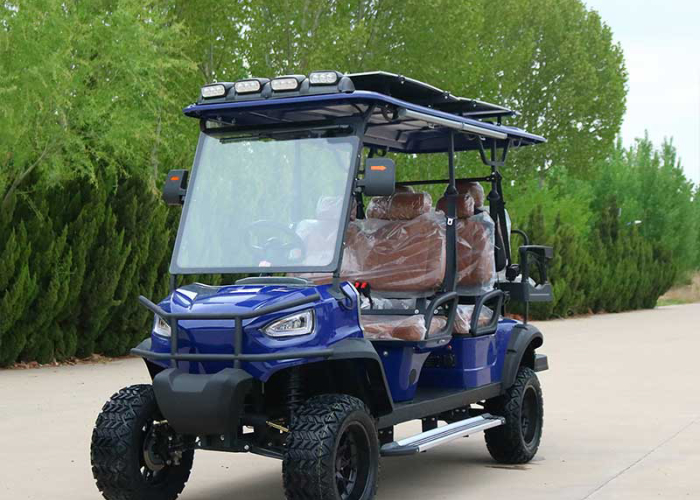
This guide focuses on practical selection for mixed security and property-management use. It assumes the site wants a quiet, electric platform that can move through residential, hospitality, campus, or industrial-adjacent settings without the noise and smell penalties that often come with larger vehicles. That is why the comparison here stays grounded in route fit, shift handover, and night visibility rather than in exaggerated performance language.
Map the patrol route by shift, not by average daily distance
A patrol cart can look lightly used on paper while still facing stressful operating conditions. Night rounds may be shorter than guest shuttle routes, but they often involve repeated stopping, sharper observation, tighter turns, and more time spent idling or creeping. The buyer should document how many rounds are made per shift, where the driver must reverse, how often gates or doors are checked, and whether the cart needs to carry a second team member during incidents or inspections.
The route map should also show which segments are highly visible to residents, guests, or staff. In those areas, the cart should feel controlled and professional rather than improvised. Quiet movement is valuable, but so are mirrors, lighting, and a driving position that lets the operator step in and out quickly. Background material from low-speed vehicle background and NHTSA low-speed vehicle guidance is helpful when a site is close to public-road boundaries, yet most patrol buyers benefit more from a clear private-property operating plan than from chasing street-use assumptions that may not apply to their route.
Sites with multiple patrol zones should decide whether one cart will cover them all or whether the route should be broken into shorter, more disciplined loops. A cart assigned to the front gate, for example, may need a different accessory package from one assigned to campus perimeter checks or hotel parking patrol. If that distinction is clear early, the buyer can compare Golf Cart Solution, Park and Outdoor Transport Solution, and a specific model more intelligently rather than expecting one setup to solve every task equally well.
| Gatehouse and entrance rounds | Easy in-and-out access, good mirrors, calm stopping, clean staging near visitors. |
| Parking and perimeter patrol | Predictable range, route visibility, durable tires, organized storage for small gear. |
| Residential or community rounds | Quiet approach, strong sight lines, controlled speed, polished appearance. |
| Mixed property-management errands | Space for tools or documents, easy cleaning, reliable charging between shifts. |
Properties that operate across more than one zone should also define when the patrol cart changes character during the shift. A vehicle that feels like a security presence at the main gate may feel more like a service cart in an equipment yard or maintenance lane. That does not make the role less important, but it does mean the buyer should specify where the cart needs the most polished appearance and where utility matters more than presentation.
Prioritize visibility, braking feel, and handover discipline
A patrol cart spends much of its time making short decisions in shared spaces. That is why visibility and braking feel deserve more attention than headline speed. Drivers should be able to see along the side of the cart, judge distance in dim light, and stop smoothly near pedestrians or parked vehicles. OSHA references such as OSHA personal protective equipment guidance are not golf-cart buying manuals, but they reinforce an important habit: equipment only works well when the operator can use it safely and consistently under real shift pressure.
Night use makes small details more important. Lighting should support observation without turning the cart into a distraction. Mirrors should remain useful when the vehicle approaches a gate, a building corner, or a residential lane. Step height and seat geometry matter because patrol operators may enter and exit the cart dozens of times in a shift. A cart that feels comfortable on a demo lap can become frustrating if the driver has to twist awkwardly or fight the parking position every few minutes.
The handover process should be planned at the same time as the purchase. A short checklist that covers battery state, visible tire condition, brake feel, lighting, horn, mirrors, and any new damage will do more for uptime than a long feature list that no one reviews after delivery. It also gives supervisors a way to identify whether a charger problem, tire issue, or lighting fault began on the current shift or the previous one.
For teams that patrol in pairs only part of the time, seating strategy deserves one more review. The cart should feel comfortable with one operator during routine rounds and still support a second rider during events, incidents, or training shifts. If that second-seat need appears only occasionally, the buyer should confirm whether the chosen platform still feels easy to stage and secure when running solo most of the week.
Buyers should not overlook how the cart is parked between rounds. If the driver has to block a walkway, squeeze into a poorly lit corner, or cross busy traffic just to plug in, the patrol routine will eventually drift. A good security cart feels organized because the route, the parking space, and the handover habit all support one another.
Charging and storage decisions matter more on patrol than many buyers expect
Security and property-management shifts often expose weak charging discipline because the cart may be needed again at short notice. The charging area should therefore be close enough for easy return, clear enough for quick inspection, and protected enough that cables and connectors are not left in a risky state. References such as Battery University charging overview, U.S. DOE charging basics, and OSHA battery charging guidance are useful here because they turn charging into an operational routine rather than a vague after-hours task.
Storage for small equipment also deserves a practical review. Patrol teams may carry a radio, notepad, first-response items, gate tools, or small maintenance supplies. The cart should handle that load without making entry awkward or leaving items loose during turns. Buyers often discover that a simple, disciplined storage arrangement is more valuable than adding several decorative accessories that complicate cleaning and make the cart harder to stage neatly.
Weather exposure changes the decision again. If rounds continue in humidity, drizzle, or cold early-morning conditions, the team should confirm windshield choice, roof coverage, cleaning routine, and where the cart dries or charges after a wet shift. NFPA electric vehicle safety resources, ANSI standards overview, and UL Standards and Engagement provide useful general background on disciplined equipment and electrical practices, while the supplier should explain the exact care routine that matches the chosen charger and component package.
A buyer who defines the charging and storage plan upfront will also ask better questions about spare parts, after-sales support, and how quickly the cart can return to service after a minor issue. That is where Contact Varyon and Electric Golf Cart Blog become useful internal steps because they connect practical site questions with the supplier conversation instead of leaving the patrol team to improvise after delivery.
If the property expects seasonal peaks, large events, or temporary staffing, the patrol cart should also be judged by how quickly a new operator can understand it. Clear staging, predictable controls, and a simple handover routine reduce mistakes when the regular driver is off shift or when supervisors need to reassign the cart temporarily. Ease of use is a security asset because confusion wastes time during the moments when the property needs the vehicle to feel dependable.
Choose a patrol cart that supports authority without creating friction
The ideal patrol cart looks professional, moves quietly, and gives the operator confidence without feeling oversized for the property. That balance matters because security teams need to be visible enough to reassure people while still moving easily through paths, residential lanes, and service spaces. A cart that is too bulky for the route may reduce that confidence by forcing awkward turns or parking habits. A cart that is too lightly specified may feel cheap or inconvenient during long shifts.
This is why a short site pilot is so valuable. Drive the intended route in the lowest light likely to occur, test the gatehouse stop, confirm where the cart waits between loops, and ask drivers what feels awkward. Those notes reveal whether the platform truly supports patrol work or merely looks acceptable in a daytime demonstration. They also help the site decide whether one patrol-focused setup is enough or whether a second cart should handle property-support errands separately.
Once the route, handover, and charging plan are documented, the purchase discussion becomes much more specific. The buyer can explain how the cart will be used, which lighting and visibility details matter, and how the property expects the vehicle to look in service. That leads to a better procurement outcome than simply asking for a security cart and hoping the supplier guesses correctly.
That specificity is particularly valuable when the site wants one cart to cover both patrol presence and broader property-management support. By describing the route honestly, the buyer can decide whether the cart should lean more toward visible patrol work or toward mixed operational utility. It is far easier to resolve that tradeoff before ordering than after the vehicle has already become part of the shift routine.
Supervisors should also think about how the patrol cart is presented to new staff and outside contractors. If the property regularly brings in temporary guards, event teams, or night managers, the cart should be easy to explain in a five-minute handover. Clear parking, a visible charging habit, and a short operating checklist help the vehicle remain dependable even when the regular patrol rhythm is interrupted.
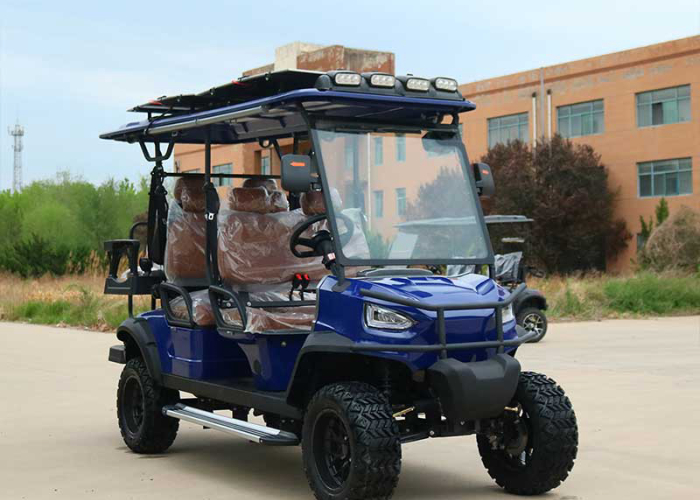
Video reference
The video below offers a practical visual reference for patrol-style electric cart use. It should be viewed alongside your own route checklist, especially if the property includes dim-light rounds, frequent stops, or shared pedestrian spaces.
Questions buyers often ask
What matters most for a patrol golf cart on private property?
Visibility, easy entry and exit, predictable braking, quiet operation, and a charging routine the shift can actually follow. Those factors usually matter more than chasing maximum speed.
Should one patrol cart also cover general property-management errands?
It can, but only if the route, storage needs, and appearance standard are compatible. Some sites are better served by one patrol-focused cart and a separate support vehicle for tools or housekeeping tasks.
When should the buyer request a quote?
Request a quote once the patrol map, charging location, shift pattern, and must-have visibility details are clear. That gives the supplier enough context to recommend a useful setup through Request a Quote instead of a generic one.
Final decision view
A strong patrol cart selection feels calm on shift: the driver sees well, steps in and out easily, charges on schedule, and does not fight the route. Those operating details are what turn an electric golf cart into a real patrol tool.
If a property can describe its rounds, staging, and handover habits clearly, it can choose a security cart with far more confidence and fewer late-stage compromises.