Table of Contents
Introduction
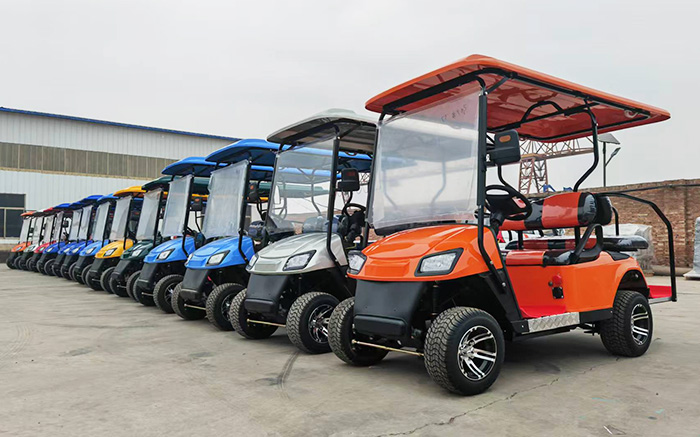
Golf cart batteries are the core of any electric golf cart’s operation. Unlike gasoline-powered carts, electric golf carts rely entirely on the battery to provide energy for propulsion, lights, and accessories. Their performance directly impacts how far you can travel, how smoothly the cart operates, and how long it stays functional between charges.
Whether you are using your golf cart for recreational golf rounds, resort transportation, family outings, or urban commuting, understanding the lifespan, maintenance, and proper usage of golf cart batteries is critical. Many owners underestimate how daily habits, environmental conditions, and charging practices affect battery longevity, leading to premature wear or unexpected failures.
In this article, we will explore:
- Typical lifespan expectations for different types of golf cart batteries
- Common types of batteries used in golf carts and their characteristics
- Factors affecting battery life, including usage, charging habits, and environment
- Practical tips to extend battery life and maintain performance
- Signs that indicate battery replacement is necessary
By the end of this guide, you will have actionable insights to maximize the performance and lifespan of your golf cart batteries while minimizing maintenance costs.
1. Typical Lifespan of Golf Cart Batteries
Golf cart batteries do not last indefinitely. Their lifespan is influenced by battery chemistry, usage frequency, terrain, and maintenance. Understanding typical lifespan ranges helps owners plan for replacements and avoid unexpected downtime.
Lead-Acid Batteries
Lead-acid batteries are the most widely used in golf carts due to their affordability and proven reliability. Under normal usage conditions:
- Flooded (wet) lead-acid batteries: Typically last 4 to 6 years with proper maintenance, including regular water refills and equalization charging.
- Sealed AGM (Absorbed Glass Mat) batteries: Maintenance-free and slightly more durable, also averaging 4 to 6 years, though they may handle slightly more charge cycles due to improved design.
Lithium-Ion Batteries
Lithium-ion batteries are newer to the golf cart market but have quickly gained popularity:
- Lifespan ranges from 8 to 10 years, nearly doubling that of lead-acid batteries.
- They provide more consistent voltage output and support faster charging.
- They are lighter, which reduces strain on the motor and extends overall vehicle efficiency.
Understanding Charge Cycles
Battery lifespan is often measured in charge cycles, with one cycle defined as a full discharge followed by a full recharge:
- Lead-acid batteries: 300 to 500 cycles
- Lithium-ion batteries: 1000 cycles or more
Frequent shallow discharges may reduce stress on lithium-ion batteries but can accelerate wear in lead-acid types if they are left partially discharged for long periods. Understanding cycles helps owners plan charging schedules and avoid unnecessary battery degradation.
2. Common Types of Golf Cart Batteries
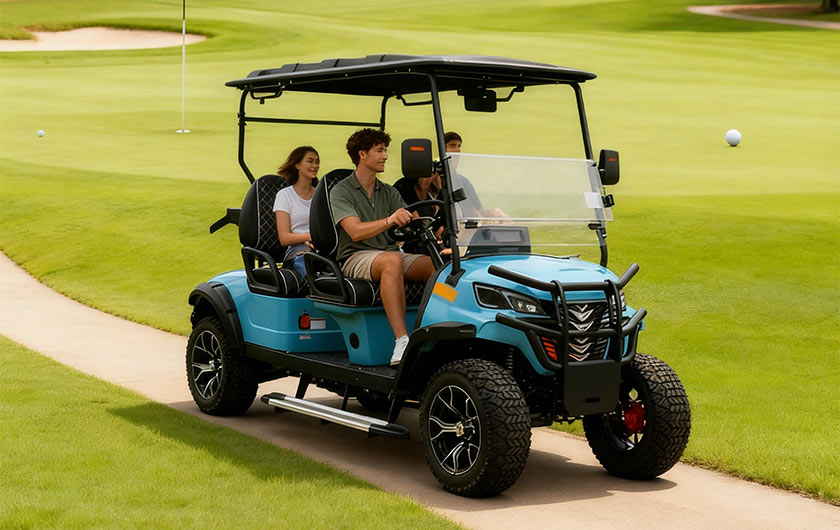
Golf carts typically use two main types of batteries: lead-acid and lithium-ion. Each has unique characteristics, advantages, and considerations for longevity.
Lead-Acid Batteries
Flooded Lead-Acid Batteries
- Require regular water top-ups to maintain electrolyte levels.
- Must be checked periodically for corrosion and cleaned to ensure proper conductivity.
- Affordable and widely available, making them a cost-effective choice.
Sealed AGM Batteries
- Spill-proof, vibration-resistant, and require minimal maintenance.
- Slightly more expensive than flooded batteries but offer more convenience.
- Ideal for owners who prefer maintenance-free operation while still benefiting from reliable performance.
Lithium-Ion Batteries
- Higher upfront cost but lower lifetime cost due to durability and minimal maintenance.
- Lightweight, reducing the overall weight of the golf cart, which can enhance speed and handling.
- Provide consistent voltage output, ensuring smooth performance even under heavy loads.
- Often compatible with fast-charging systems and can be integrated with solar energy solutions.
Choosing the right type depends on budget, daily usage, environmental conditions, and long-term goals. Lead-acid batteries remain popular for traditional carts and casual users, while lithium-ion batteries are ideal for frequent users seeking longer-term efficiency.
3. Factors Affecting Golf Cart Battery Life
Several variables influence the longevity of golf cart batteries. Owners who understand these factors can take proactive steps to maximize battery life.
Charging Habits
- Overcharging: Can generate heat, evaporate electrolytes in lead-acid batteries, and reduce overall capacity.
- Undercharging: Frequent partial charges without completing full cycles can lead to sulfation in lead-acid batteries, gradually reducing their energy storage.
- Consistent charging schedule: Maintaining a regular charging routine helps preserve battery health and ensures readiness for daily use.
Usage Patterns
- Frequent short trips: Constant short trips may prevent the battery from reaching full capacity, especially for lead-acid types.
- Heavy loads or steep terrain: Carrying passengers, equipment, or navigating hilly terrain increases energy demand, accelerating battery wear.
- Idle periods: Allowing batteries to sit discharged for extended periods can permanently reduce their capacity.
Environmental Conditions
- High temperatures: Accelerate chemical reactions inside the battery, shortening lifespan.
- Freezing cold: Can reduce immediate performance and, in extreme cases, damage the battery permanently.
- Humidity and moisture: Especially affects flooded lead-acid batteries if the terminals are not properly sealed.
Maintenance Practices
- Regularly checking water levels in lead-acid batteries.
- Cleaning terminals to prevent corrosion.
- Ensuring adequate ventilation to prevent overheating.
- Rotating batteries periodically if the cart supports multiple battery banks.
Proper attention to these factors can help lead-acid batteries reach or exceed their expected 4–6 years, while lithium-ion batteries can maintain optimal performance for nearly a decade.
Comparison Table: Lifespan and Maintenance of Common Golf Cart Batteries
| Battery Type | Typical Lifespan | Charge Cycles | Maintenance Requirements | Advantages | Disadvantages |
|---|---|---|---|---|---|
| Flooded Lead-Acid | 4-6 years | 300-400 | Regular watering, equalization, terminal cleaning | Affordable, widely available | Heavy, requires maintenance |
| AGM Lead-Acid | 4-6 years | 350-500 | Minimal, check terminals occasionally | Spill-proof, vibration-resistant | More expensive than flooded type |
| Lithium-Ion | 8-10 years | 1000+ | Very low, no watering needed | Lightweight, long lifespan, fast charging | Higher upfront cost |
This table summarizes the differences in lifespan, maintenance, and performance between popular golf cart battery types, making it easier for owners to select the best option for their needs.
4. Tips to Extend the Life of Golf Cart Batteries
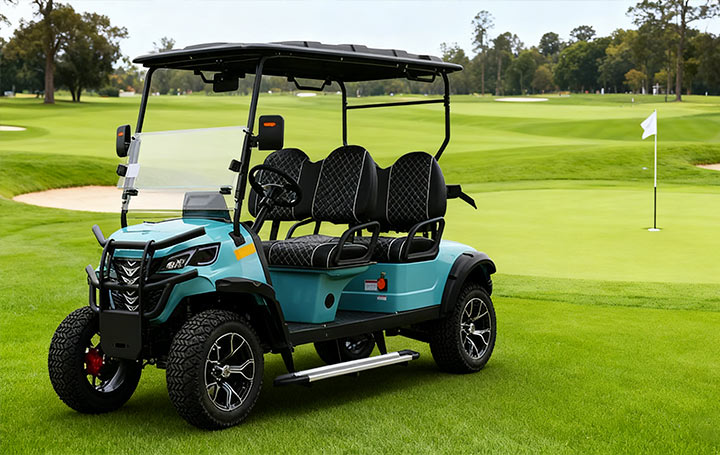
Maximizing battery life requires combining proper care, thoughtful usage, and preventive measures. Here are practical tips:
- Charge consistently: Recharge after each use, avoiding deep discharges.
- Monitor battery temperature: Avoid exposing batteries to extreme heat or cold.
- Balance battery usage: For multi-battery carts, rotate usage to prevent over-stressing certain cells.
- Maintain water levels: For flooded lead-acid batteries, always use distilled water and check levels regularly.
- Clean battery terminals: Prevent corrosion for efficient electrical connectivity.
- Store correctly: If the golf cart will be idle for a long period, charge fully and disconnect to avoid parasitic discharge.
- Use smart chargers: Chargers with automatic cutoff prevent overcharging and protect battery health.
These practices can help lead-acid batteries reach their maximum lifespan and allow lithium-ion batteries to perform optimally for nearly a decade, saving both money and hassle.
Conclusion
Golf cart batteries are critical for reliable performance and efficiency. Choosing the right type—whether lead-acid or lithium-ion—combined with proper maintenance, usage habits, and environmental care, is essential for maximizing lifespan.
By understanding how charge cycles, environmental factors, and daily use affect battery health, owners can make informed decisions, extend battery life, and enjoy consistent performance. With regular care and smart upgrades, golf cart batteries can serve reliably for years, making your cart a dependable vehicle for recreation, transportation, and more.
FAQ
Q1: How often should golf cart batteries be charged?
It is best to charge after every use to maintain full capacity. Avoid letting them fully discharge, especially for lead-acid types.
Q2: Can I replace lead-acid batteries with lithium-ion batteries?
Yes, many lithium-ion packs are compatible, but check voltage, connectors, and space requirements before upgrading.
Q3: How do extreme temperatures affect battery life?
High heat accelerates wear, while freezing cold can reduce capacity or permanently damage cells if unprotected.
Q4: How do I know when batteries need replacement?
Signs include reduced run-time, slower charging, frequent sulfation (lead-acid), or noticeable drop in voltage.
Q5: Are lithium-ion batteries worth the cost?
For long-term use, their longer lifespan, fast charging, and low maintenance often justify the higher upfront cost.