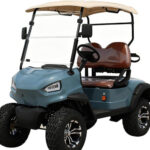
Scenic-route work rewards calm boarding, clear visibility, and repeatable passenger flow
A C type electric golf cart is often shortlisted when a property needs a passenger platform that feels open, steady, and easy to manage on highly visible visitor routes. Scenic areas, botanical gardens, waterfront promenades, wildlife parks, and heritage sites all depend on a route that feels calm for guests and predictable for operators. That means the buying decision should begin with the actual route logic rather than with a broad seat-count assumption or a single product photo on C Type Electric Golf Cart.
Visitor routes are demanding because they combine hospitality, safety, and operations. Guests may step on with cameras, bags, children, umbrellas, or mobility concerns, while the driver is expected to stay smooth near pedestrians, landscaping, and photo stops. Background context from golf cart background and Alternative Fuels Data Center electric-vehicle overview helps frame the category, but the real decision still depends on stop spacing, turning points, charger placement, and how the site wants passengers to feel throughout the ride.
This guide is written for buyers comparing VY-C4 Four Passenger Golf Cart, Carro de golf de ocho plazas VY-C6+2, and the broader scenic-transport options at Park and Outdoor Transport Solution. Its goal is to help a property decide whether the C type platform can support visitor movement cleanly without creating loading congestion, awkward route reversals, or a charger routine that breaks the guest experience. When the route is mapped carefully, the supplier conversation through Request a Quote becomes much more specific and useful.
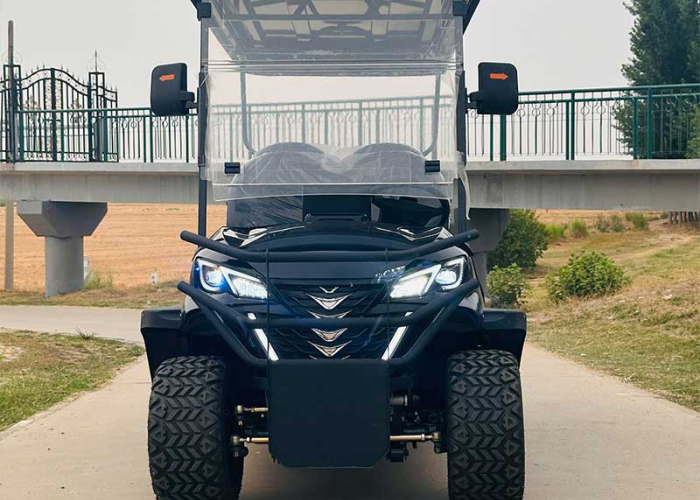
Start with the slowest stop, not the longest straightaway
Many scenic-route buyers begin by looking at route length, but the slowest stop usually reveals more about whether the platform fits. Watch where guests gather, how they queue, whether they approach from one side or several directions, and how long it takes for everyone to sit down comfortably. A route that looks generous while empty can become tight once families, older visitors, and group leaders are all trying to board at the same time. The cart needs to feel organized at the stop where the property is most exposed to visible friction.
The ADA mobility device guidance guidance is useful background because it keeps attention on entry comfort, maneuvering awareness, and user confidence rather than on a simple seat-count comparison. Buyers should also note where the driver needs the clearest sight lines, where the turning radius is tightest, and which stop is most vulnerable to waiting-line spillover. If the site defines those moments clearly, it becomes easier to decide whether the C type platform fits the route or whether a different loading pattern is needed before purchase.
| Botanical garden loop | Needs quiet starts, smooth stops, easy boarding, and respectful movement near walkers. |
| Scenic-area shuttle | Needs clear viewing comfort, predictable route timing, and enough space for group loading. |
| Historic or heritage site | Needs controlled speed, clean staging, and easy operator sight lines in narrow spaces. |
| Tourist transfer route | Needs quick boarding, stable passenger flow, and organized charger return between runs. |
Check route width, turning pockets, and sight lines before comparing accessories
A scenic route often feels wider on a map than it does in daily service. Landscaping, signage, queue rails, souvenir kiosks, benches, and photo points can all reduce usable space. Buyers should walk the route with a tape measure or at least a site sketch and identify the places where the cart must pass pedestrians, reverse direction, or pause without blocking another attraction. Those moments matter more than top speed because they determine whether the route remains graceful under real visitor pressure.
Shared-space safety questions should be settled early. If the route includes slope transitions, blind corners, or roadway crossings, the property should review how mirrors, lighting, braking feel, and route markings will support the operator. The federal background at NHTSA low-speed vehicle guidance, 49 CFR 571.500, and CPSC golf cart and LSV safety guide is useful because it encourages buyers to define operating limits before the first cart is ordered. A scenic vehicle that looks attractive but creates uncertainty at a crossing will weaken the visitor experience quickly.
Passenger comfort matters because riders are paying attention to the surroundings
Scenic-route passengers notice comfort immediately because they are looking around, taking photos, and reacting to the environment rather than simply trying to reach a destination. Step height, handhold placement, seat support, roof coverage, and how smoothly the vehicle stops all affect whether the ride feels premium or improvised. Buyers should decide whether the route includes older visitors, children, international tour groups, or longer seated segments where posture and weather protection become more important than on a short estate run.
The strongest scenic route carts do not distract from the location they serve. They move quietly, board cleanly, and let the route itself remain the focus. That is why a buyer should compare the C type family against the route atmosphere shown by Electric Golf Cart Products and the guest-facing logic of Solución de carrito de golf. If the cart causes passengers to shuffle awkwardly, ask repeated entry questions, or brace themselves at every stop, the route is telling the buyer that more comfort review is needed before the order is confirmed.
Charging and staging should disappear into the operation
Visitor-facing routes work best when the charging routine is nearly invisible to guests. A scenic cart should leave from a clear staging point, return to a charger area that does not clutter the visitor path, and receive its quick inspection without forcing operators to improvise around crowds. References such as U.S. DOE charging basics, Battery University charging overview, and OSHA battery charging guidance are helpful because they keep the buyer focused on practical charger access, staff ownership, and simple warning-sign handling rather than on battery talk alone.
Staging discipline matters just as much as charger specification. If the cart waits in the wrong place, blocks a photo stop, or forces guests to board from an uneven curb because the formal loading point is inconvenient, the route system is not ready. Scenic properties should therefore define a visible boarding zone, a hidden reset zone, and a charging bay that supports a clean handoff between runs. When those areas are clear, the same vehicle feels more professional and easier to manage every hour of the day.
Weather and seasonal visitor patterns should change the specification
Scenic routes often change character with the weather. Bright sun increases the importance of roof coverage and passenger comfort. Wet seasons raise questions about entry traction, route drainage, and whether queues move to tighter sheltered spaces. Thunderstorms or sudden closure procedures can also expose weak dispatch rules. Background from National Weather Service lightning safety guidance, National Weather Service flood safety guidance, and CDC motor vehicle safety resources helps the buyer think about seasonal operations, but the actual decision should be tied to where visitors wait and how the site closes or reroutes service when conditions change.
The route should also be reviewed for high season and low season separately. A calm Tuesday morning loop may behave very differently from a holiday weekend or a school-group window. If group arrivals bunch together, a cart that feels right in quiet conditions can start creating loading pressure and rushed departures. Buyers should test whether the C type platform still feels composed when the site is at its busiest credible volume rather than at its easiest operating moment.
Ask supplier questions that match the guest journey
A useful quote request should describe the loop length, group size pattern, stop spacing, steep sections, charger location, and the most visible boarding point. That gives the supplier enough information to explain whether VY-C4 Four Passenger Golf Cart is sufficient, whether Carro de golf de ocho plazas VY-C6+2 is a better fit, and which accessories actually improve the route. The conversation becomes much stronger when the buyer explains the guest journey instead of simply asking for a scenic golf cart.
Support questions are just as important. Ask how future orders can stay consistent, which wear items should be stocked, how the charger setup should be protected, and what cleaning routine best suits a public-facing route. External background from ANSI standards overview, UL Standards and Engagement, and NFPA electric vehicle safety resources is helpful because it keeps the buyer focused on documentation, charging quality, and repeatable support standards. Scenic routes stay elegant when the support logic is as disciplined as the visible ride itself.
Run a full-loop pilot with real boarding behavior
A pilot loop should include realistic boarding, an actual queue, and the same stop order the site expects during normal service. Watch where the driver slows, where riders hesitate, how long the cart waits at each stop, and whether the route still feels calm once passengers begin taking photos or asking questions. Those details reveal whether the cart truly fits scenic work or whether the loading point, route order, or queue management needs to change before a purchase expands into a fleet decision.
The pilot should also include the people who will live with the route every day: operators, supervisors, and the staff responsible for charging and cleaning. Drivers notice steering and sight-line friction. Supervisors notice queue spillover. Service staff notice whether the cart returns to the charger bay cleanly and whether the reset routine is realistic under pressure. When those notes are written down, the final buying decision becomes evidence-based rather than impression-based.
Write a scenic-route standard before fleet growth
If the property expects to add more carts later, it should document what a good scenic run looks like now. That means writing down the loading point, passenger briefing habit, charger return rule, route speed expectation, and the standard for a cart that is ready to leave on the next run. A one-page standard is usually enough, provided it is visible and actually used. This prevents drift as more operators, more visitors, and more vehicles enter the system.
That standard also protects procurement. The next order can be compared against a known route rhythm instead of vague memory. Buyers can say which comfort details matter, where staging problems appear, and which stop defines the route. When that level of clarity exists, the C type platform can be evaluated honestly and the scenic transport program can grow without losing the orderly experience that visitors came for in the first place.
It is also worth recording the small guest-service details that make the route feel professional. Some sites need a short welcome script before departure, others need a rule for stroller folding, and others need a separate instruction for rainy-day queue movement. These details may seem minor during procurement, but they often decide whether a scenic ride feels smooth or hurried once the route is busy. A route standard that captures those details gives future operators a much better starting point than memory alone.
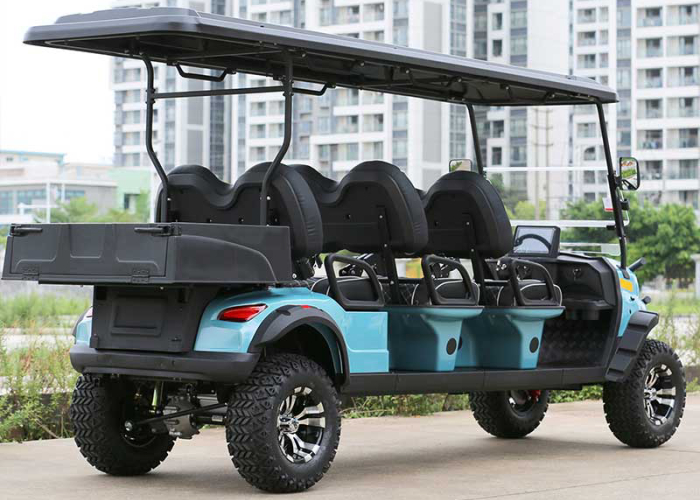
Video reference
The video below gives a useful visual reference for a larger passenger-style scenic route vehicle. Use it to review boarding flow, visibility, and route presence alongside the stop-by-stop checklist above.
Questions buyers often ask
When is a C type electric golf cart a strong fit for tourist routes?
It is a strong fit when the route needs comfortable repeated passenger boarding, stable scenic movement, and organized staging at visible visitor stops rather than purely utility-focused transport.
What is the biggest scenic-route planning mistake?
The biggest mistake is judging the route only by total distance. Buyers need to study queue behavior, the slowest stop, turning pockets, and charger return logic before deciding the platform is right.
What should be prepared before requesting a quote?
Prepare a route sketch, busiest boarding point, likely group size, charger location, weather concerns, and any must-have comfort details. That makes the supplier discussion faster and much more precise.
Choose the platform that protects the visitor experience
The right C type electric golf cart makes a scenic route feel calm, organized, and easy to trust. Guests board without confusion, operators keep clear sight lines, and the charger routine stays out of the visitor experience.
If the buyer can describe the slowest stop, the busiest queue, the charger return point, and the comfort standard clearly, the final decision will be stronger and the route will scale with fewer surprises.