A cargo box changes the cart from passenger transport into a workflow tool
An electric golf cart with cargo box is often bought when a site needs more than simple passenger movement. Grounds teams, housekeeping crews, engineering staff, event setup workers, and mixed-use properties all need storage that keeps tools, linens, supplies, or small parts organized without turning the cart into a cluttered compromise. Buyers comparing B Type Electric Golf Cart and C Type Electric Golf Cart should look at the route, the load shape, and the work sequence first, because the usefulness of the cargo box depends on how the team actually works, not on the presence of a rear compartment alone.
The right utility setup can reduce repeat trips, improve cleanliness, and keep drivers from improvising unsafe storage under seats or on floors. The wrong setup can create overloading, awkward loading height, poor turning behavior, and a cart that is uncomfortable for shared passenger use. That is why a mixed property should compare the vehicle against the daily work pattern rather than assuming any utility cart will do the job. Background from golf cart background is fine for context, but practical route fit matters far more than generic golf-cart language.
This guide explains how to choose an electric golf cart with cargo box for real work. It covers payload thinking, route mix, cleaning routine, weather exposure, and the difference between occasional cargo use and a cart that serves as a moving workstation. The goal is to help buyers specify a durable, organized vehicle before they send a quote request or assign the cart to staff.
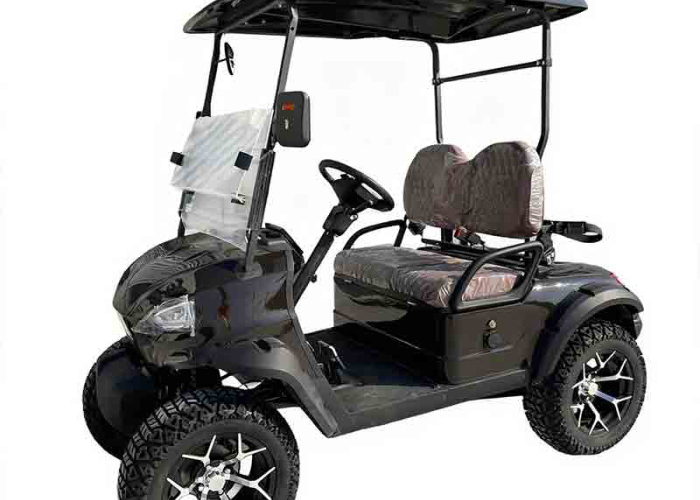
Define what goes in the cargo box before comparing models
Many teams write utility use on the requirement sheet without listing what will actually be carried. That is the first mistake. A grounds crew may need hand tools, small parts, irrigation items, and debris bags. Housekeeping may need folded linens, cleaning supplies, amenity boxes, and trash separation. Event support may need cones, signs, water, and cable protection. These loads differ in weight, size, cleanliness, and how often they are handled. Buyers looking at VY-B2 2 Seater Golf Cart and Carro de golf VY-B4 para cuatro personas should document those differences before discussing body style or accessories.
The route matters just as much as the load. A cart that moves tools through narrow resort service paths may need a different footprint from a cart that crosses wider campus roads or landscaped outdoor areas. If the driver stops every few minutes, step height and cargo access may matter more than top speed. If the team spends long stretches moving between work zones, seat comfort and weather protection become more important.
Driver safety should be part of the same conversation. Tool weight, repeated lifting, and path hazards can turn a simple transport job into a strain issue. Resources from CDC motor vehicle safety resources and ADA mobility device guidance are useful reminders that the workflow around the vehicle matters. Good access to the cargo box and stable boarding conditions reduce fatigue and support safer repeated stops.
| Groundskeeping | Prioritize durable cargo storage, easy cleaning, stable tires, and frequent-stop access. |
| Housekeeping | Prioritize clean compartments, weather protection, smooth ride, and organized loading. |
| Engineering support | Prioritize parts storage, mixed-surface durability, and secure small-item handling. |
| Event setup | Prioritize flexible box space, signage storage, predictable turning, and quick loading. |
Separate occasional cargo use from daily utility duty
Some properties only need a cargo box for occasional movement of supplies, while others need a cart that works like a compact service vehicle all day. The first case may be handled by a passenger platform with limited storage and careful load rules. The second case usually needs a more deliberate specification with stronger utility habits, clearer payload discipline, and accessories chosen for daily work. Buyers reviewing Carros de golf biplaza VY-C2 and VY-C4 Four Passenger Golf Cart should decide which category they belong to before they compare seat layouts or finishes.
A cart that carries cleaning chemicals, wet items, or loose garden debris must also be easy to clean. The EPA’s EPA Safer Choice program program is a helpful reference for thinking about cleaning-product choice, while OSHA personal protective equipment guidance is a useful reminder that some materials should be handled with planned protective equipment and not just casual habit. If staff cannot clean the box quickly and safely, the cart will become harder to inspect and less pleasant to use.
Weather exposure changes the decision again. Open-air routes with rain, mud, or lightning risk should be reviewed differently from sheltered hotel back corridors. Guidance from National Weather Service flood safety guidance and National Weather Service lightning safety guidance is useful because utility carts are often still working when conditions change. Buyers should think about covers, drainage, sealed containers, and the policy for stopping operations when the environment becomes unsafe.
Check tires, turning behavior, and mixed-route handling
A cargo box adds value only if the cart still behaves well on the route. Utility loads can change braking feel, steering effort, and how confidently the driver enters tight turns or uneven surfaces. That makes tire choice more important than many buyers expect. Tire guidance from NHTSA TireWise safety guidance is a useful reminder that inflation, tread condition, and surface fit affect safety long before a tire fails outright.
Mixed-route carts should be tested on the actual property: paved lanes, service alleys, turf edges, curb transitions, and loading zones. A smooth cart on a sales-yard lap can feel awkward once the driver starts backing toward doors, crossing drains, or stopping beside landscaping beds. The vehicle should remain easy to place and easy to unload without the driver having to invent unsafe habits.
Properties that already use Solución de carrito de golf for guest transport should be careful not to assign the same cart to every kind of work simply because it is available. Shared use is possible, but repeated compromises usually cost more than they save. A cleaner decision is to define which routes are passenger-facing, which are service-facing, and where a mixed-duty cart truly adds value.
Specify storage discipline and supply-chain support before purchase
Cargo space is only as useful as the system around it. Buyers should define whether the box carries fixed kits, shift-specific items, or loose replenishment stock. Housekeeping teams may need labeled bins, grounds teams may need tool separators, and engineering teams may need small-part containment that prevents rattling and loss. A box with no storage discipline becomes a moving junk drawer within a week.
Supply continuity matters as well. If the cart depends on box inserts, covers, latches, or accessory brackets, the buyer should ask how replacements are ordered and how quickly parts can be supplied. The planning language at NIST supply chain management guidance is helpful because it keeps attention on continuity rather than only on the day-one delivery. A utility cart is most frustrating when a small broken accessory makes the whole workflow messy.
Commercial buyers should also ask how the cart will be supported after delivery and what warranty boundaries apply to accessories and attachments. The FTC warranty guidance guidance is a useful public reference because it encourages buyers to separate marketing language from actual support terms. If the cargo box is central to the work plan, that support conversation should happen before the cart is approved.
Build the quote request around the job, not around generic utility claims
The strongest quote request explains the route, daily load, stop frequency, surface type, storage expectations, weather exposure, and whether the cart also carries passengers. Buyers can review Golf Cart Accessories and then move to Solicite una cotización with a description that gives the supplier enough context to recommend the right combination of seating, cargo layout, covers, tires, and charging habits. That is much more useful than asking for a utility golf cart without explaining the work.
If the cart must cross public or semi-public areas, managers should also think about low-speed safety behavior, visibility, mirrors, and how the route is shared with pedestrians. The CPSC golf cart and LSV safety guide guide provides practical background for that discussion, especially where families, guests, or mixed-use traffic are present. The cart may stay on private property, but it still needs predictable operating rules.
A good electric golf cart with cargo box should reduce manual carrying, keep supplies organized, and make the route calmer for the team using it. The more clearly the buyer describes the daily job, the easier it becomes for the supplier and the operating team to agree on a vehicle that stays useful after the first month, not just on delivery day. That final specification conversation often moves fastest through Contact Varyon.
Pilot the workflow with the crew that will actually use the cart
A sample drive by management is not enough for a utility purchase. The best pilot involves the people who will load the cart, unload it, clean it, and return it to charge at the end of the shift. Ask the grounds lead, housekeeping supervisor, or engineering technician to use the cart on a normal assignment and record what slows them down. They will notice issues with step height, latch access, cleaning effort, and loading sequence that do not appear during a short demonstration.
The pilot should also test how the cargo box behaves as the shift becomes messy. Supplies get half used, trash bags appear, small parts roll around, and weather changes the condition of what is being carried. A cart that feels organized when fully staged can become awkward once real work begins. Buyers should therefore review whether bins stay separated, whether wet and dry items can be managed sensibly, whether the load blocks visibility, and whether the driver can still park and unload without twisting into uncomfortable positions.
After the pilot, managers should review what the crew changed instinctively. If operators immediately add totes, towels, clips, covers, or improvised dividers, the base layout may need refinement. If they avoid using the box for certain items because access is annoying or cleanup is difficult, that is also useful information. The goal of the pilot is not to confirm the cart looks capable. It is to discover whether the workflow stays organized during a real shift and whether the cargo-box specification supports the daily job without workarounds.
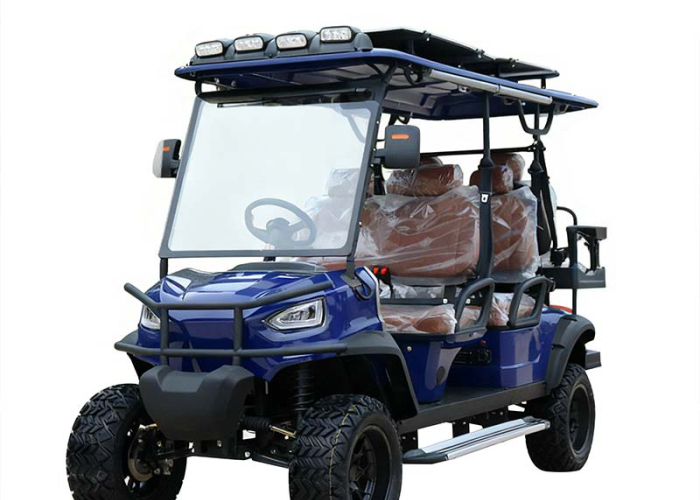
Video reference
The video below offers general visual context for electric golf cart use. Match any product ideas to your actual route, loading habit, and cleaning routine before finalizing the specification.
Questions buyers often ask
When does a property need an electric golf cart with cargo box instead of a standard passenger cart?
It usually needs one when teams repeatedly carry tools, supplies, or small materials that do not fit cleanly under seats and when the route includes many service stops during the day.
Can one cargo-box cart also serve guest-facing duties?
Sometimes, but mixed-duty use only works when the route, load cleanliness, and appearance standards are defined carefully. Many properties are better served by separating guest and service roles.
What should be tested before ordering several units?
Test the actual load, the real path width, the stop frequency, the cleaning routine, and the driver’s ability to load and unload comfortably during a full shift. It is also worth noting whether the crew naturally reorganizes the box, avoids certain shelves, or struggles to keep wet and dry items separate after several stops.
Choose the workflow, then choose the cart
The best electric golf cart with cargo box is the one that makes the daily job simpler: fewer repeat trips, cleaner storage, calmer loading, and a route the driver can complete without improvising. That outcome comes from route detail and load detail, not from the word utility on a brochure.
Once the load, route, and support expectations are written clearly, buyers can compare models with much less confusion and much better long-term results.
That written brief also makes training easier after delivery because drivers, supervisors, and service staff are all working from the same understanding of what the cart is expected to carry and how it is expected to move through the property.