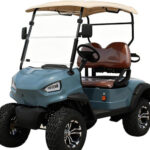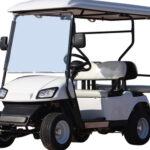
Commercial cleaning should protect appearance without creating electrical or corrosion problems
An electric golf cart cleaning checklist must do more than make the body look presentable. Commercial fleets carry dust, mud, grass, fertilizer residue, food spills, sunscreen, salt, and moisture into wheel areas, floors, seat frames, hardware, and charging spaces. A careless wash can force water into electrical components or leave corrosive material hidden. Buyers and fleet managers reviewing Electric Golf Cart Products need a repeatable method tied to the exact vehicle manual.
The safest process begins by identifying areas that may be cleaned, products that are approved, components that must remain dry, and conditions that require qualified inspection. The EPA Safer Choice program program can help organizations consider lower-hazard cleaning products, while OSHA personal protective equipment guidance reminds employers to assess chemical and task hazards. Neither source replaces the cart manufacturer’s instructions or the cleaner’s label and safety data.
This guide is designed for resorts, campuses, communities, event venues, and other fleets where carts must stay clean without losing availability. It covers preparation, washing, drying, corrosion checks, battery and charger areas, coastal service, records, and stop-work decisions. A good routine preserves visibility and presentation while giving maintenance staff early evidence of damage or water exposure.

Classify the contamination before selecting the method
Dry dust, loose grass, wet mud, beverage residue, bird droppings, fertilizer, road salt, and coastal spray do not require the same response. Identify what is present, where it has collected, and whether it may be corrosive, slippery, biologically contaminated, or harmful to a finish. Start with the least aggressive approved method and avoid mixing chemicals. A D Type Electric Golf Cart used on visible guest routes may need frequent light cleaning rather than occasional harsh washing.
Create separate procedures for routine appearance cleaning, post-storm cleaning, spill response, and maintenance-level decontamination. The CDC motor vehicle safety resources offers general cleaning and workplace-health context, while CPSC golf cart and LSV safety guide provides low-speed vehicle safety information. The employer should define who may clean the cart, which tasks require maintenance staff, and how a vehicle is labeled when it cannot return to service.
| Loose dry material | Use an approved low-impact removal method before adding moisture. |
| Mud and organic debris | Remove gently, protect electrical areas, and clear approved drainage paths. |
| Salt or fertilizer residue | Follow prompt manufacturer-approved removal and inspect for coating damage. |
| Unknown spill | Isolate the cart, identify the substance, and follow the site’s hazard procedure. |
Prepare the cart and cleaning area before water or chemicals are used
Park on a stable, well-drained surface approved for washing. Set the parking control, switch the vehicle off, remove the key, and follow the manufacturer’s isolation procedure. Allow hot components to cool if required. Remove passenger items and inspect for loose trim, damaged seals, exposed wiring, cracked connectors, or warning indicators that would make cleaning unsafe.
Protect the environment and surrounding work area. Keep runoff away from storm drains when required, prevent hoses from crossing active walkways, and separate charging from washing. The OSHA electrical safety guidance provides electrical-safety guidance, and National Weather Service flood safety guidance reinforces the danger of uncontrolled water. A cleaning bay should never allow water to pool around outlets, chargers, extension connections, or energized equipment.
Use controlled application rather than high-pressure improvisation
Apply only manufacturer-approved pressure, temperature, tools, and products. Do not direct water into displays, switches, pedal assemblies, connectors, charging ports, motors, controllers, battery compartments, vents, or seams unless the manual specifically allows that method. High pressure can move dirt deeper, damage labels and seals, or create a fault that appears after the cart has returned to service.
A compact model such as the Carro de golf con batería de litio VY-D2 still contains multiple areas where appearance cleaning and technical cleaning must be separated. Use dedicated cloths or tools to avoid carrying abrasive grit across glossy panels. Follow dwell times and rinse instructions on product labels. The ANSI standards overview and UL Standards and Engagement provide standards context, but any claim that equipment is weather resistant should not be interpreted as permission for unrestricted pressure washing.
Clean floors, seats, handholds, roofs, and glazing for safe use
Passenger-contact areas need to be clean, dry, and non-slippery. Remove grit from floors and steps before wiping surfaces so abrasive material is not dragged across finishes. Use approved products on seats and handholds, and confirm no residue makes them slick. Clean glazing with a compatible method that does not scratch, haze, or reduce visibility. Replace damaged decals or safety labels rather than polishing over them.
Accessories require their own instructions. Enclosures, windshields, mirrors, storage boxes, and decorative parts may use materials that react differently to solvents or brushes. Review compatible options at Golf Cart Accessories and keep supplier cleaning instructions with the fleet record. The ADA mobility device guidance guidance is useful background because clear steps, stable handholds, and predictable boarding surfaces are especially important for passengers with mobility concerns.
Treat battery and charging areas as controlled technical zones
Do not open, wash, disconnect, or service a battery area unless the procedure and staff authorization allow it. Inspect from the approved access position for debris, moisture, damage, loose protective covers, unusual odor, heat, discoloration, or corrosion. Stop and escalate anything abnormal. The OSHA battery charging guidance discusses charging hazards, while NFPA electric vehicle safety resources offers electric-vehicle safety resources that support disciplined isolation and emergency planning.
The charging bay should remain separate from wet cleaning. Cables and connectors need clean storage, clear walking paths, and protection from runoff. Follow the battery and charger manuals for dust removal and inspection. The U.S. DOE charging basics provides useful charging-infrastructure background, and Battery University charging overview offers general battery information. Model-specific instructions still control because chemistries, enclosures, connectors, and fault responses differ.
Dry the vehicle completely and inspect before charging
Drying is an inspection stage, not a cosmetic finish. Remove water using the approved method, open only compartments intended for operator access, and check that floors, controls, seats, handholds, and charging interfaces are dry. Look for trapped moisture near fasteners, trim, seat mounts, roof supports, wheel areas, and cable retainers. A cart should not move directly from washing to charging simply because the visible panels look dry.
Before release, operate only the checks allowed by the manual and confirm there are no warnings, unusual electrical behavior, steering changes, brake concerns, odors, or heat. If water may have entered a protected component, keep the cart out of service and contact qualified support through Contact Varyon. The OSHA electrical safety guidance guidance supports the basic rule that wet or damaged electrical equipment should not be energized casually.
Inspect corrosion-prone areas and repair coating damage promptly
Check exposed fasteners, seat frames, hinges, roof supports, wheel areas, suspension components visible to the operator, cable brackets, and damaged paint. Coastal air, fertilizer, chemicals, and trapped dirt can accelerate deterioration. Photograph new staining, bubbling, pitting, or coating loss and compare it with earlier records. Do not hide evidence under an unapproved coating before the supplier or technician can assess it.
A fleet-level Solución de carrito de golf should define which corrosion findings are cosmetic, which require maintenance, and which remove a cart from service. Ask the supplier about approved touch-up materials, dissimilar-metal concerns, wash frequency, and coastal storage. The National Weather Service lightning safety guidance is also relevant to outdoor operations: cleaning should stop during severe weather, and carts should be moved according to the property’s storm plan rather than rushed into unsafe charging areas.
Build a frequency based on exposure rather than a fixed calendar alone
Daily guest-facing carts may need light cleaning after each shift, while backup units need dust and storage checks even when unused. Post-rain, coastal, construction, landscaping, or food-service exposure may trigger additional cleaning. Write clear triggers so operators know when routine wiping is enough and when a maintenance inspection is required. Excessive cleaning can cause damage too, especially when aggressive chemicals or pressure are used repeatedly.
Use a short log with date, unit, contamination, method, products, damage found, and release status. The Electric Golf Cart Blog can connect cleaning records with maintenance and storage guidance. Review the log for repeated corrosion at one location, recurring spills, drainage problems, or one product causing finish changes. Evidence helps the fleet improve the route and cleaning bay instead of treating every symptom separately.
Train staff with one demonstration cart and a release checklist
Select one representative cart and demonstrate preparation, approved tools, protected areas, product dilution, cleaning order, drying, inspection, and release. Staff should be able to explain why charging and washing are separated and identify the conditions that require a hold. A laminated checklist can support consistency, but it should not replace access to the full manual and product safety information.
Supervisors should observe the process periodically and update it when the cart, accessories, cleaning product, route exposure, or charging layout changes. Use the supplier discussion through Solicite una cotización to obtain written cleaning and corrosion-prevention requirements before a fleet order is finalized. This makes finish care, coastal exposure, replacement parts, and warranty responsibilities part of procurement rather than an afterthought.
Separate tools and cloths by task to prevent cross-contamination
Use clearly identified tools for glazing, painted panels, seats, floors, wheels, and technical inspection areas. A cloth that collected abrasive grit near a wheel should never move directly to a windshield or glossy body panel. Color coding, labeled containers, and a defined clean-to-dirty sequence make the routine easier to teach and reduce the chance that oil, fertilizer, brake dust, or cleaning concentrate is spread across passenger-contact surfaces.
Store chemicals in their original labeled containers or another legally compliant system approved by the organization. Keep dilution equipment, measuring tools, and spill materials with the cleaning station, and remove damaged bottles or unreadable labels. Staff should know where product instructions and safety information are kept and should never combine leftovers to save space. A tidy cleaning bay protects both the cart and the people performing the work.
Inspect reusable tools after each shift. Brushes with exposed wire, torn sponges, contaminated cloths, damaged hose fittings, or inaccurate dispensers can undermine an otherwise careful procedure. Replace or quarantine questionable equipment and document any product that caused discoloration, haze, swelling, or residue. This evidence allows the fleet to correct the cleaning system before the same mistake affects several vehicles.
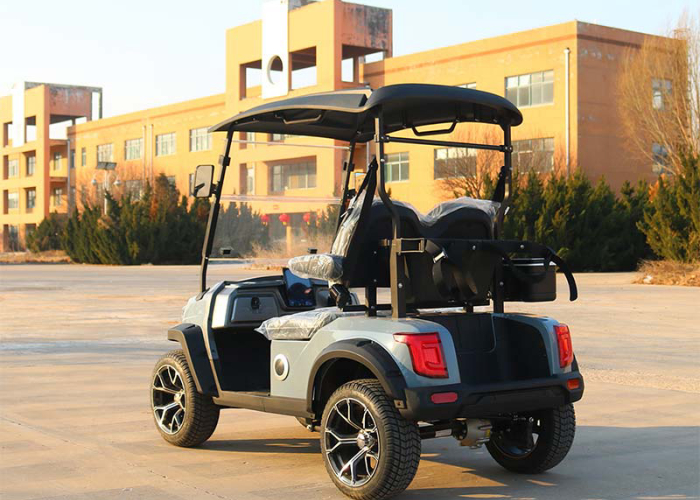
Video reference
The video below shows a Varyon D type cart and its visible body, seating, wheel, and passenger areas. Use it as a visual reference when building the cleaning sequence, then follow the exact manual for protected electrical components and approved products.
Questions buyers often ask
Can an electric golf cart be pressure washed?
Only use a pressure-washing method if the manufacturer explicitly permits it and specifies the pressure, distance, direction, and protected areas. Otherwise use the approved low-impact cleaning process and keep water away from electrical components.
Should a cart be charged immediately after washing?
Not automatically. Complete drying and inspection first, confirm the charging interface and surrounding area are dry, and follow the manufacturer procedure. Hold the cart if water exposure or abnormal behavior is suspected.
What cleaning information should be requested from a supplier?
Request approved products and methods, prohibited chemicals, water-pressure limits, protected areas, corrosion inspection points, coastal-use guidance, touch-up materials, warranty exclusions, and the correct escalation process.
A clean cart should also be dry, inspected, and ready for safe service
Commercial cleaning succeeds when it protects passengers, finishes, labels, electrical systems, charging equipment, and maintenance evidence at the same time. Fast washing that leaves moisture or hides corrosion is not an efficient fleet process. The release decision should always be recorded when a cart has received unusual water, chemical, or coastal exposure.
With approved products, controlled water, separate charging areas, complete drying, corrosion records, and trained release checks, a fleet can maintain a professional appearance without trading presentation for electrical risk or long-term damage. Managers should review the process after route, climate, product, or accessory changes so the cleaning checklist continues to match the vehicles actually in service.